
Trees
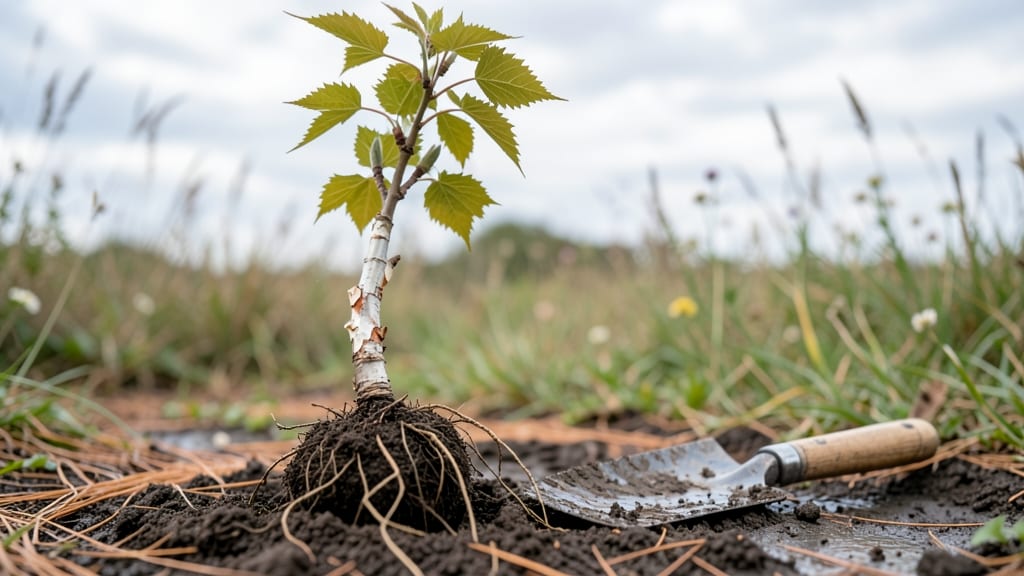
Planting trees in wet soil can feel like a losing battle—until you know the right drainage tricks. I’ve saved struggling trees by raising beds, amending soil, and picking the toughest species for soggy spots, and the results speak for themselves: roots that stay healthy even when the ground’s waterlogged.
The key starts with soil prep: mix in 2-3 inches of compost and sand or gravel to break up compaction. For really wet areas, build a 12-inch-high mound or use drainage pipes to redirect water.
Choose trees like willows, bald cypress, or river birch—they thrive where others drown. Skip the delicate varieties unless you’re willing to babysit them.
What you’ll end up with is a tree that grows strong, not one that fights for survival every spring. The roots spread deep and wide, the trunk thickens faster, and you’ll see new leaves by next season—no soggy-root syndrome in sight.
The secret isn’t forcing it; it’s working with the land’s natural quirks.
This works for backyard planting, restoration projects, or even urban lots with poor drainage. The same principles apply whether you’re dealing with a low-lying yard or a flood-prone area. Let’s get those roots established right the first time.
📚 In This Guide
- What you need
- Instructions
- Tips and common mistakes
- Wrapping up and next steps
What you need
- ● Tree seedlings or saplings: Choose native species (e.g., willows, bald cypress, or swamp maples) that tolerate wet soil. Quantity: 1–5+ (depending on your planting plan).
- ● Amendments for drainage: Peat moss or coconut coir (for water retention + aeration). Quantity: 2–3 cubic feet per tree.
- ● Coarse sand or perlite (to break up clay). Quantity: 1–2 cubic feet per tree.
- ● Compost (for nutrients). Quantity: 1–2 cubic feet per tree.
- ● Mulch: Pine straw or wood chips (2–3 inches thick) to retain moisture and prevent compaction.
- ● Shovel or spade (for digging).
- ● Garden trowel (for fine adjustments).
- ● Rake (to level soil).
- ● Measuring tape (to check depth/drainage layers).
- ● Gloves + knee pads (for comfort!).
- ○ Optional: Drainage pipe (4-inch corrugated, 1–2 feet long) if soil is extremely waterlogged.
- ● Test soil moisture: Dig a 12-inch hole—if water pools within 6 hours, drainage fixes are a must! 💡
- ● Check local frost dates (plant in early spring or fall for best root establishment).
- ● Call 811 to check for underground utilities (safety first!).
Instructions for planting trees in wet soil
Here’s how to establish strong root systems even when your site stays soggy.
Test Soil Drainage and Amend as Needed
Before digging, assess drainage by filling a hole with water and timing how long it takes to drain. If water remains after 24 hours, your soil is too dense. I like to mix in 2-3 inches of coarse sand or 1 part perlite to 2 parts native soil in the planting hole to improve aeration. This creates a well-draining pocket where roots can expand without suffocating.
For clay-heavy soils, I also add a 3-inch layer of organic matter like composted leaves or aged wood chips at the bottom of the hole. This breaks up compaction while providing nutrients. Work the amendments into the native soil thoroughly—don’t just dump them in. The goal is to create a loose, crumbly texture that mimics ideal forest-floor conditions.
Dig the Planting Hole Wider Than Deep
Excavate a hole twice as wide as the root ball but only as deep as the container’s base. Wet soil compacts easily, so a shallow hole prevents root suffocation. If your tree arrives in a fabric pot, gently squeeze the sides to encourage roots to grow outward—this helps them adapt faster to wet conditions.
Place the tree at the same depth it was growing before, using the root flare (where roots meet trunk) as your guide. Burying too deep smothers the tree; planting too shallow exposes roots to drying winds. Tap the soil lightly around the base to eliminate air pockets, then water deeply to settle everything.
Build a Raised Berm to Improve Drainage
Construct a 6-inch-high berm of amended soil around the perimeter of the hole, sloping gently inward. This creates a micro-elevation that prevents water from pooling around the trunk. I use a mix of 50% native soil and 50% compost for the berm to ensure it stays stable while adding organic matter.
Extend the berm 12-18 inches beyond the root spread to maximize drainage benefits. Over time, this raised ring encourages roots to grow outward into drier soil layers. For clay soils, I also install perforated drainage tiles at the hole’s base to redirect excess water away from the root zone.
Mulch Strategically to Retain Moisture Without Suffocating
Spread 3-4 inches of wood chips or pine straw over the berm, keeping it 6 inches away from the trunk to prevent rot. Wet soils need mulch to moderate temperature swings, but too much can smother roots. I use double-shredded hardwood mulch because it breaks down slowly and improves soil structure over time.
Water the tree deeply once a week (unless rain provides 1 inch of moisture), focusing on the outer edges of the root zone. Avoid shallow watering, which encourages roots to stay near the surface where they’ll drown. A soil moisture sensor helps track when to water—aim for 50-60% moisture in the top 12 inches of soil.
Monitor and Adjust for Long-Term Success
Check the tree’s progress after 6-8 weeks by gently probing the soil with a trowel. If it feels compacted or waterlogged, add 1-2 inches of coarse sand to the root zone and mix lightly. Young trees in wet soil often develop iron chlorosis (yellow leaves with green veins)—this signals poor drainage or nutrient imbalance.
If chlorosis appears, apply a chelated iron supplement and ensure the soil pH is between 6.0 and 7.0. Over time, the berm and amended soil will improve drainage naturally, but I always revisit the site after 1-2 years to reinforce the structure if needed. Patience is key—trees planted in wet soil take longer to establish, but with these steps, they’ll thrive.
Tips & tricks for planting trees in wet soil
These essential techniques will help you create the ideal foundation for thriving trees, even in challenging wet conditions.
Soil Drainage Test: The 24-hour water test in Step 1 is your most critical diagnostic tool. If water lingers beyond this timeframe, your soil is likely too dense for healthy root development. I recommend conducting this test at multiple points in your planting area, as drainage can vary dramatically even within a small space. For particularly problematic spots, consider installing a French drain system before planting to create long-term relief.
Root Ball Preparation: When dealing with fabric pots, the gentle squeezing technique in Step 2 isn't just about encouraging outward root growth—it's about simulating natural wind exposure. After squeezing, immediately plant the tree to prevent the roots from drying out. For container-grown trees, soak the root ball thoroughly before planting to minimize transplant shock in wet conditions.
Berm Construction: The 6-inch berm height in Step 3 might seem modest, but this subtle elevation makes all the difference in wet soil environments. When building your berm, create a gentle slope inward rather than a sharp edge—this prevents water from pooling at the base while still maintaining the elevation advantage. For clay-heavy soils, I often extend the berm an additional 6-12 inches beyond the specified 12-18 inches to create even more protection against water accumulation.
Long-Term Monitoring: The 6-8 week check in Step 5 is where most planting mistakes become apparent. If you notice yellowing leaves with green veins (iron chlorosis) during this period, it's a clear signal to adjust your approach. Beyond the chelated iron supplement mentioned, I recommend testing your soil's pH—wet soils often develop acidity over time, which exacerbates nutrient deficiencies. Regular pH testing every 6 months during the first year helps catch these issues early.
Pro Tips for Planting Trees In Wet Soil
- These essential techniques will help you create the ideal foundation for thriving trees, even in challenging wet conditions.
- Soil Drainage Test: The 24-hour water test in Step 1 is your most critical diagnostic tool.
- Root Ball Preparation: When dealing with fabric pots, the gentle squeezing technique in Step 2 isn't just about encouraging outward root growth—it's about simulating natural wind exposure.
Frequently asked questions
Got questions about planting trees in wet soil? You’re not alone—wet conditions can make tree planting tricky! Here are answers to the most common concerns to help you get it right the first time.
Can I plant trees in wet soil at any time of year?
While wet soil doesn’t have a strict "off-season," timing matters. Plant in early spring or fall when the ground is moist but not waterlogged. Avoid planting during heavy rains or frozen ground—roots need oxygen, and soggy soil can suffocate them. If you must plant in wet conditions, prioritize drainage fixes (like raised beds or sand amendments) to prevent rot.
What if my soil stays too wet even after amending it?
If drainage remains poor, try these fixes:
- Raised beds: Elevate the root zone with compost or gravel to mimic natural slopes.
- French drains: Install perforated pipes surrounded by gravel to redirect water away.
- Drought-tolerant species: Swap moisture-loving trees (like willows) for natives like oak or hickory, which handle wet feet better.
Will my tree roots rot if planted in consistently wet soil?
Yes, root rot is a real risk in waterlogged soil. Signs include yellowing leaves, stunted growth, or a foul smell near the base. To prevent it:
- Use well-draining soil mixes (50% native soil + 50% compost/sand).
- Avoid compacting soil around roots—keep it loose for airflow.
- Consider mycorrhizal fungi (available at nurseries) to boost root health.
Are there cheap or free ways to improve drainage for tree planting?
Skip expensive systems and try these budget-friendly hacks:
- Use household items: Crushed bricks, broken pottery, or even recycled plastic pipe can create drainage layers.
- Leverage natural slopes: Plant on the highest point of your yard to encourage runoff.
- Mulch strategically: Apply 2–4 inches of wood chips (not directly against the trunk) to absorb excess moisture.
- Free compost: Check local community gardens or municipal programs for organic matter.
What’s the best tree for wet soil if I want low maintenance?
Opt for native, swamp-tolerant species that thrive with minimal fuss:
Tree Type
Why It Works
Care Tips
Eastern Red Cedar
Drought- and wet-soil resilient; deer-resistant.
Plant in full sun; prune lightly to shape.
Black Gum (Nyssa sylvatica)
Handles saturated soil; stunning fall color.
Tolerates partial shade; minimal pruning needed.
River Birch
Loves moisture; peeling bark adds curb appeal.
Plant in full sun; water deeply 1–2x/week in dry spells.
Wrapping up and next steps
Planting trees in wet soil doesn’t have to be a challenge—with the right drainage solutions and preparation, you can give your trees the strong foundation they need to thrive! 🌱 Whether you’re improving soil structure, choosing the right species, or using simple techniques like raised beds or gravel layers, each step brings you closer to healthier, happier trees.
Now that you’re equipped with the know-how, take action: pick a spot, gather your supplies, and get planting! Your future shade—or even fruit—starts with today’s effort.
Pro tip: 💡 Monitor your soil’s progress over time. Adjust as needed, and soon, you’ll be the proud caretaker of a flourishing tree!