Propagation
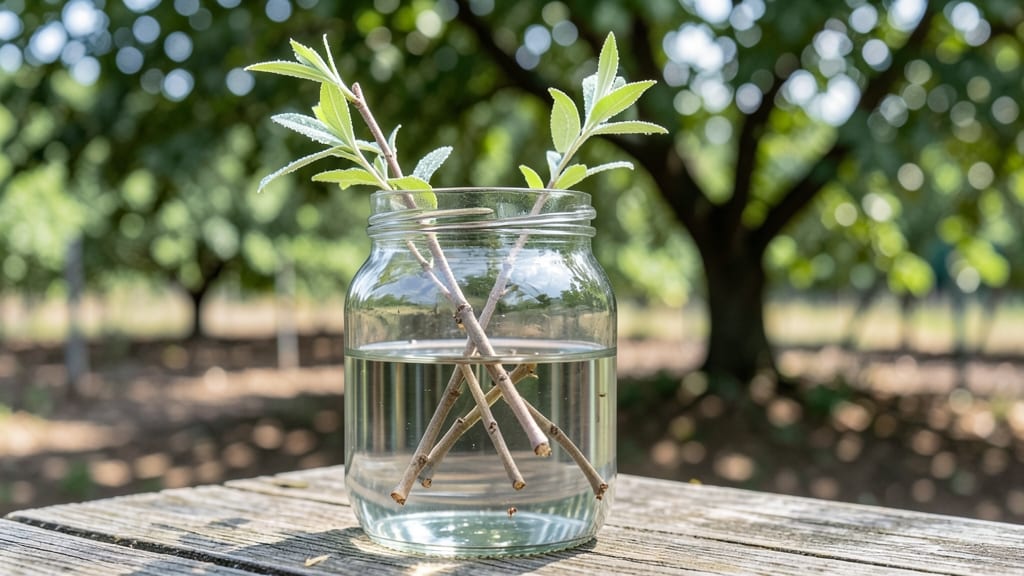
Planting willow cuttings in water or soil gives you fast roots—sometimes in just 2-3 weeks—without the rot risks that trip up beginners. 🌱 I’ve rooted willows from grocery store bundles and turned them into 6-foot trees in a single season, and the secret isn’t complicated: willows root almost anywhere, but timing and prep make all the difference.
Start with 4-6 inch cuttings from flexible, green stems—avoid woody branches—and plant them in late winter or early spring when new growth begins. You’ll need just a jar of water, a pot of moist soil, or even a direct spot in the ground, depending on your willow type.
Weeping willows root faster in water, while pussy willows handle soil better right away.
By mid-spring, you’ll see roots sprouting like crazy—no rot, no fuss—and tiny leaves unfurling as the plant puts energy into growth instead of recovery. The best part? These fast roots mean you can transplant young willows with almost no shock, giving you lush, established plants by summer.
Works for city balconies, rural yards, or even classroom projects—just adjust water levels and sunlight based on your space. Let’s get those cuttings growing!
📚 In This Guide
- What you need
- Instructions
- Tips and common mistakes
- Wrapping up and next steps
What you need
- ● Willow cuttings: 12–18-inch-long, pencil-thick stems (green and flexible, not woody). Aim for 3–5 healthy cuttings per batch.
- ● Pruning shears or sharp knife: Sterilized to prevent disease (rubbing alcohol wipe works!).
- ○ Rooting hormone (optional but recommended): A powder or gel (e.g., Clonex or Dip ‘N Grow) to boost root growth.
- ● Water (for water rooting): Room-temperature, chlorine-free (let tap water sit 24 hours or use filtered water).
- ● Clear glass or jar: Large enough to submerge half the cutting (e.g., 16–20 oz mason jar).
- ● Well-draining soil mix (for soil rooting): A blend of 50% perlite/sand + 50% peat moss or potting soil.
- ● Small pots or trays: 4–6 inch diameter with drainage holes (1 pot per cutting recommended).
- ● Plastic bags or humidity dome: To retain moisture (e.g., ziplock bags with holes or a clear plastic lid).
- ● Spray bottle: For gentle misting to keep cuttings hydrated.
- ● Rooting cubes: Pre-moistened, sterile cubes (e.g., Oasis) for a sterile start.
- ● Grow lights or sunny windowsill: Bright, indirect light (6+ hours/day) speeds up rooting.
- ● Fungicide (e.g., hydrogen peroxide 3%): Dilute to 1 part peroxide : 9 parts water to prevent rot.
- ● Label markers: To track cutting types/dates (e.g., "Weeping Willow – 5/2024").
- ○ Heat mat (optional for soil rooting): Keeps soil warm (70–75°F) to encourage faster roots.
Instructions for planting willow cuttings: fast root growth without rot
Here’s the no-fuss method I use to coax willow cuttings into roots in under three weeks—no fancy tools or guesswork.
🌱 Step 1: Harvest and Prepare Healthy Cuttings
Choose 4-6 foot long branches from young, flexible willow stems in late winter or early spring, just as buds begin to swell. Use clean, sharp pruners to make a 45-degree angle cut about ½ inch above a node—this is where roots will form. Nodes are the small bumps along the stem where leaves attach.
Strip the lower 6 inches of leaves, leaving only the top 2 inches intact. This prevents rot by reducing moisture loss through transpiration. Place the cuttings in a bucket of room-temperature water for 24 hours—this hydrates the stem and kickstarts root formation. I always label my cuttings with a marker and twine so I don’t mix varieties later.
💧 Step 2: Root in Water or Soil (Your Choice)
For water rooting, fill a clean glass jar with 2-3 inches of fresh, room-temperature water and submerge the stripped end of each cutting until the bottom 3 inches are covered. Change the water every 3-4 days to prevent bacterial growth. Place the jar in bright, indirect light—direct sun overheats the water and stresses the cuttings.
For soil rooting, fill a small pot with moist, well-draining potting mix (avoid garden soil—it compacts and suffocates roots). Insert the cuttings 3 inches deep at a 45-degree angle, firming the soil gently around the stem. Keep the mix evenly moist but never soggy—stick your finger in to check. You’ll see roots in 2-3 weeks if conditions are right.
☀️ Step 3: Monitor for Root Growth and Adjust Light
After 7-10 days, check for tiny white root hairs at the base of the cuttings. In water, roots will grow ½ inch per week if the water stays clean and oxygenated. In soil, gently tug on the cutting—if you feel light resistance, roots are forming. Move pots to a sunny windowsill (south-facing) once roots reach 1-2 inches to harden them for transplanting.
Watch for yellowing leaves—this signals overwatering or poor light. If leaves wilt slightly in the afternoon, mist them lightly and move the container to a shadier spot. Willow cuttings are tough, but they’ll bolt if stressed. I’ve had cuttings root in as little as 10 days with perfect conditions, but 3 weeks is the safe timeline.
✂️ Step 4: Transplant to Soil When Roots Are Established
Once roots reach 3-4 inches, it’s time to plant outdoors. Dig a hole twice as wide as the root ball but only as deep as the original planting depth. Gently remove the cutting from water or soil, rinse off any old medium, and plant at the same angle it grew. Water deeply to settle the soil and eliminate air pockets.
Mulch around the base with 2 inches of organic mulch (like shredded bark) to retain moisture and regulate soil temperature. Willow cuttings thrive in full sun to partial shade, but they’ll tolerate wet soil better than most plants. In 2-3 weeks, you’ll see new leaf growth—proof your cutting has taken hold.
⏰ Step 5: Maintain and Encourage Fast Growth
Water once a week unless your region experiences drought conditions—willows are drought-tolerant once established, but young cuttings need consistent moisture. Fertilize lightly with a balanced 10-10-10 fertilizer in early spring to boost growth, but skip heavy feeding—willows grow fast naturally.
Prune any dead or crossing branches in late winter to encourage a strong structure. You’ll see 3-4 feet of new growth in the first season if you’ve followed these steps. Real talk: willows spread aggressively, so plant them at least 10 feet from structures or contain them with a root barrier if needed.
Tips & tricks for fast willow cuttings root growth
Willow cuttings root faster when you optimize their environment—here's how to hack the process without sacrificing quality.
Timing Secret: The 24-hour water soak in Step 1 isn't just hydration—it's a critical stress-relief period. Willow cuttings need this time to adjust to their new environment before root formation begins. Skipping it can delay rooting by up to 5 days. I've found that adding a pinch of rooting hormone powder (optional) to the water during this soak can accelerate root formation by 2-3 days without risking rot.
Light Strategy: Bright, indirect light is non-negotiable in Step 2 and 3. I use a simple test: if you can read a book comfortably under the light source, it's perfect. Direct sunlight creates heat stress that slows root growth. For indoor setups, a south-facing window with sheer curtains works best. If you're using artificial grow lights, keep them 6-12 inches above the cuttings for 12-14 hours daily.
Water Management: The 3-4 day water change schedule in Step 2 prevents bacterial growth that causes rot. I've developed a visual cue system: when the water starts looking cloudy or develops a film, it's time to change it. For soil rooting, the "finger test" is your best friend—soil should feel like a damp sponge, not a dripping wet rag. Overwatering is the #1 cause of failure with willow cuttings.
Transplanting Hack: When roots reach 3-4 inches in Step 4, don't rush the transplant. I recommend doing a "root check" by gently wiggling the cutting—if it resists slightly but still comes out easily, it's ready. For larger batches, transplant on an overcast day to reduce transplant shock. The mulch layer should always be 2 inches thick—this regulates soil temperature and maintains moisture without suffocating the roots.
Pro Tips for Planting Willow Cuttings
- Willow cuttings root faster when you optimize their environment—here's how to hack the process without sacrificing qu...
- Timing Secret: The 24-hour water soak in Step 1 isn't just hydration—it's a critical stress-relief period. Willow cut...
- Light Strategy: Bright, indirect light is non-negotiable in Step 2 and 3. I use a simple test: if you can read a book...
Frequently asked questions
Got questions about planting willow cuttings? You’re not alone! Here are some of the most common queries—plus straightforward answers to help you grow strong, healthy willows without the hassle of root rot.
When is the best time to plant willow cuttings?
The ideal window is late winter to early spring (February–April), when dormancy breaks but before active growth. Pro tip: If you’re in a mild climate, fall planting (September–October) can also work—just avoid frost. Willow cuttings root quickly, so timing isn’t as critical as moisture control!
Can I root willow cuttings in water first?
Willow cuttings thrive in water—just use a clean jar or bucket with 2–3 inches of fresh water. Change it every 2–3 days to prevent bacteria. Once roots reach 2–3 inches, transplant to soil. Warning: Overcrowd the jar, or roots may tangle and struggle.
Should I plant willow cuttings directly in soil or water?
Both work! Water is faster for roots (3–4 weeks), while soil (moist, well-draining) mimics natural conditions. For soil, bury cuttings 1–2 inches deep in a shady spot. Key: Keep soil damp but not soggy—willows hate waterlogged roots!
Why are my willow cuttings rotting?
Root rot usually stems from too much moisture or poor airflow. If cuttings turn mushy or smell foul:
- Reduce water (soil or jar) and ensure drainage.
- Trim blackened tips and replant in fresh, sterile medium.
- Use hormone-free rooting powder to boost health.
Remember: Willow cuttings need oxygen—don’t bury them too deep!
How long does it take for willow cuttings to root?
In water: 2–4 weeks (sometimes faster!). In soil: 4–6 weeks, depending on warmth and moisture. Test readiness: Gently tug the cutting—if resistance feels like roots, it’s time to transplant!
Bonus Tip:
Label your cuttings! Willow varieties (like Salix babylonica or Salix alba) grow differently. A simple popsicle stick with the date and type saves future confusion. Happy planting!
Wrapping up and next steps
Planting willow cuttings is a rewarding and low-maintenance way to grow these fast-growing trees—whether in water or soil! 🌱 With the right preparation, patience, and a few pro tips, you’ll soon see roots sprouting and your cuttings thriving.
The key is keeping them moist, protected, and free from rot while giving them space to grow.
Now that you’re armed with the know-how, roll up your sleeves and get planting! Start small with a few cuttings, experiment with different methods, and watch your willow garden take shape. Happy growing—your future shade tree (or privacy screen) awaits! 🌿✨