Picking
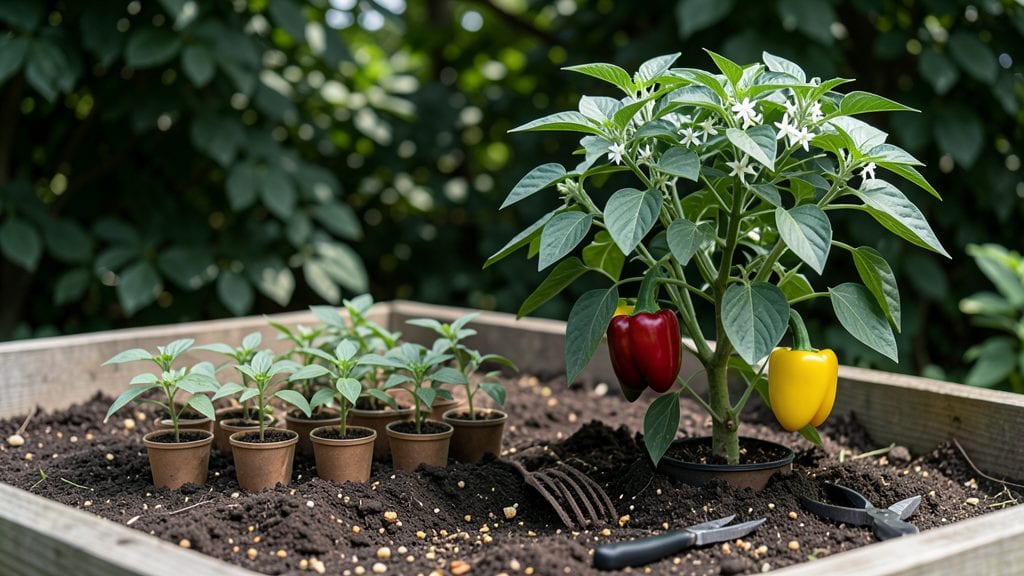
Planting with peppers starts with soil that feels like warm, crumbly sand—nothing like the dense, cold earth that stunts their growth. 🌱 I learned this the hard way after my first batch of peppers wilted from soggy soil, and now I swear by a mix of compost, perlite, and a handful of aged manure to keep roots happy and hungry.
The key isn’t just the soil, though—it’s the balance of heat, light, and patience that turns tiny seedlings into pepper plants bursting with flavor.
Peppers demand full sun (at least 6-8 hours daily) and soil that stays between 70°F and 85°F—think of them as sunbathers who burn if left in the shade. For outdoor planting, wait until nighttime temps stay above 55°F, and space them 12-18 inches apart so they’re not fighting for nutrients.
If you’re starting indoors, give them a warm spot near a sunny window or grow light, and transplant after the last frost when they’ve got 4-6 true leaves.
What you’ll end up with is a thriving plant that rewards you with peppers in shades of red, green, yellow, or even purple—depending on the variety.
The first harvest comes in about 60-90 days, and if you keep the soil moist (not drenched) and fertilize lightly every few weeks, you’ll get peppers all season long. The secret? Don’t rush them—peppers grow best when they’re not crowded or stressed.
Here’s where it gets interesting—companion plants like basil, marigolds, or onions can boost your harvest by keeping pests away, while avoiding plantings near fennel or beans, which stunt their growth.
Even experienced gardeners mess up spacing or soil temp, but once you nail these basics, you’ll be growing peppers like a pro. Let’s get those seeds in the ground!
📚 In This Guide
- What you need
- Instructions
- Tips and common mistakes
- Wrapping up and next steps
What you need
- ● Peppers: Choose from seeds or starter plants (3–5 plants per variety for a full harvest). Popular picks: jalapeños, bell peppers, habaneros, or cayenne.
- ● Well-draining potting mix: 10–15 lbs (for containers) or amend garden soil with compost (5–10 lbs per 10 sq ft). Avoid heavy clay soil!
- ● Containers or garden bed: Containers: 5-gallon pots or larger (1 plant per container). Ensure drainage holes!
- ● Garden beds: Full sun (6+ hours/day) with raised beds recommended for poor soil.
- ● Fertilizer: Balanced 10-10-10 or organic compost (mix 1 tbsp per plant into soil at planting).
- ● Mulch: Straw or black plastic (to retain moisture and warmth).
- ● Gloves & trowel (for planting and soil prep).
- ● Watering can or hose (with a gentle spray nozzle).
- ● Plant markers (to label varieties—peppers vary wildly!).
- ○ Row covers or shade cloth (optional, for early planting or pest protection).
- ● Pruning shears (for trimming later in the season).
- ● Warmth: Peppers hate cold! Wait until soil temps hit 60°F+ (use a soil thermometer if unsure).
- ● Last frost date: Plant 2–3 weeks after your area’s last frost (peppers are not frost-tolerant!).
- ● Sunlight: Commit to a sunny spot—peppers are sun-worshippers!
Step-by-step instructions for planting with peppers
Here's how to give peppers the perfect start—warm soil, full sun, and just enough space to thrive.
🌱 Step 1: Prepare the Soil and Planting Site
Peppers demand rich, well-draining soil that stays warm. Mix the 3 gallons of compost into the top 6 inches of your planting area to improve fertility and drainage. I always add a handful of 1 cup of balanced fertilizer (10-10-10) to each planting hole—this gives roots a nutrient boost right from the start.
Choose a location with full sun exposure (6+ hours daily). Peppers wilt in shade, so test your spot first: if the ground stays cool to the touch even on sunny days, find a warmer microclimate. If you're planting in containers, use the 2 large pots (12-inch diameter)—they warm up faster than garden beds.
🌱 Step 2: Plant Transplants at the Right Depth
Dig holes twice as wide as the pepper root ball but only as deep as the pot they came in. Gently remove the plant, loosen the roots if they're circling, and place it in the hole. Fill around the base with soil, pressing lightly to eliminate air pockets.
Here's the thing—peppers hate having soil piled around their stems. Leave the stem exposed up to the first set of leaves—burying it too deep invites rot. Water deeply right after planting to settle the soil and remove any air gaps.
☀️ Step 3: Protect and Water for Establishment
Cover newly planted peppers with 1 row cover fabric for the first 2 weeks if nights are still chilly (below 55°F). This keeps soil temperatures warm and protects tender seedlings from temperature swings. Remove the fabric once plants show new growth—they’ll signal readiness by developing thicker stems.
Water once a week for the first month, giving each plant 1 gallon at the base. Avoid wetting leaves to prevent fungal diseases. You’ll know moisture is right when the soil feels damp 2 inches down—stick your finger in to check. Overwatering now leads to weak roots that can’t support heavy fruit later.
✂️ Step 4: Prune and Support for Maximum Yield
When plants reach 12 inches tall, pinch off the first few flowers you see. This might seem counterintuitive, but it lets the plant focus on growing a strong framework first. Once the main stem is 18 inches tall, trim any suckers (side shoots) growing below the first flower cluster—these drain energy better spent on fruit.
Install 1 tomato cage per plant (or 3 stakes with twine) to support heavy pepper growth. Peppers don’t need heavy pruning, but removing damaged leaves keeps air circulating and prevents disease. Watch for yellowing leaves—this usually means too much water or not enough sun.
Tips & tricks for perfect pepper planting
Planting peppers right means paying attention to details that make all the difference between a thriving harvest and a struggling plant. Here's what I've learned after years of growing these heat-loving beauties.
Soil Temperature is Everything: Peppers won't grow well in cold soil, so if your ground feels chilly below 55°F, wait a few more days before planting. I've found that black plastic mulch laid down a week before planting can warm the soil by 5-10°F—just remove it before planting to avoid burning tender roots. For container gardeners, place pots on dark-colored saucers to absorb and radiate heat.
Root Ball Handling Matters: When removing peppers from their nursery pots, gently squeeze the sides to loosen the root ball—this prevents transplant shock. If roots are circling tightly, use your fingers to tease them apart before planting. I've seen plants recover from rough handling, but never from damaged roots. The goal is to disturb the roots as little as possible while encouraging them to spread outward in their new home.
Watering Wisdom: That first gallon of water after planting is crucial—it helps settle the soil around roots and eliminates air pockets. But here's the thing: peppers hate soggy feet. After that initial watering, let the top inch of soil dry out between waterings. I check this by sticking my finger in—if it feels dry at that depth, it's time to water again. Overwatering now sets up problems later when fruit is heavy.
Support System Setup: Install your tomato cages or stakes at planting time, not when plants are already toppling over. This gives roots time to establish before supporting heavy pepper growth. I like to bury the cage about halfway into the soil for stability, then gently weave the plant through the openings. This prevents stem damage as the plant grows taller.
Pro Tips for Planting With Peppers
- Planting peppers right means paying attention to details that make all the difference between a thriving harvest and a struggling plant.
- Soil Temperature is Everything: Peppers won't grow well in cold soil, so if your ground feels chilly below 55°F, wait a few more days before planting.
- Root Ball Handling Matters: When removing peppers from their nursery pots, gently squeeze the sides to loosen the root ball—this prevents transplant shock.
Frequently asked questions
Got questions about planting with peppers?
You’re not alone! Here are answers to the most common queries to help you grow a fiery (or mild) success.
When is the best time to plant peppers?
Peppers thrive in warm soil—wait until after the last frost (when nighttime temps stay above 50°F/10°C). Start seeds indoors 8–12 weeks before transplanting, or buy seedlings from a nursery. For warm climates, you can plant as early as late winter!
How long does it take for pepper plants to produce fruit?
Patience is key! From transplanting, expect 60–90 days for bell peppers and 70–120 days for hot varieties (like jalapeños). Soil warmth, sunlight (6+ hours/day), and consistent watering speed up the process. Pro tip: Use mulch to keep roots cozy and boost growth!
Can I plant peppers in containers? What size do I need?
Peppers adapt well to containers. Aim for at least 12–18 inches deep and 12+ inches wide per plant. Use well-draining soil and place pots in full sun. Dwarf varieties (like ‘Mini Bell’) thrive in smaller pots (5+ gallons), while larger types need bigger spaces.
Why aren’t my pepper plants fruiting? Troubleshooting tips.
No peppers? Check these fixes:
- Not enough sun: Move plants to a sunnier spot (peppers need 6+ hours of direct light daily).
- Overwatering: Let soil dry slightly between waterings—peppers hate soggy roots!
- Nutrient deficiency: Feed with a balanced fertilizer (like 10-10-10) when flowers appear.
- Stress: Avoid transplant shock—harden off seedlings gradually before planting.
Pro tip: Hand-pollinate flowers (gently shake plants) if bees are scarce!
What can I plant with peppers to boost growth?
Peppers love companions! Try these pairings:
Great Companions
Why?
Basil
Repels pests (like thrips) and improves flavor.
Marigolds
Deters nematodes and attracts pollinators.
Avoid planting with:
Fennel or brassicas (cabbage family)—they compete for nutrients.
Rotate crops yearly to prevent disease buildup!
Wrapping up and next steps
Planting with peppers is a rewarding journey that combines patience, passion, and a little heat! 🌶️ With the right soil, sunlight, and care, you’ll soon be harvesting vibrant peppers packed with flavor and nutrition.
Whether you’re a beginner or a seasoned gardener, every seed you plant is a step toward a bountiful harvest—so roll up your sleeves and get growing!
Ready to take the next step? Start small—try a few pepper varieties in containers or a garden bed—and watch your confidence (and harvest!) grow. Happy planting! 🌱