
Planting
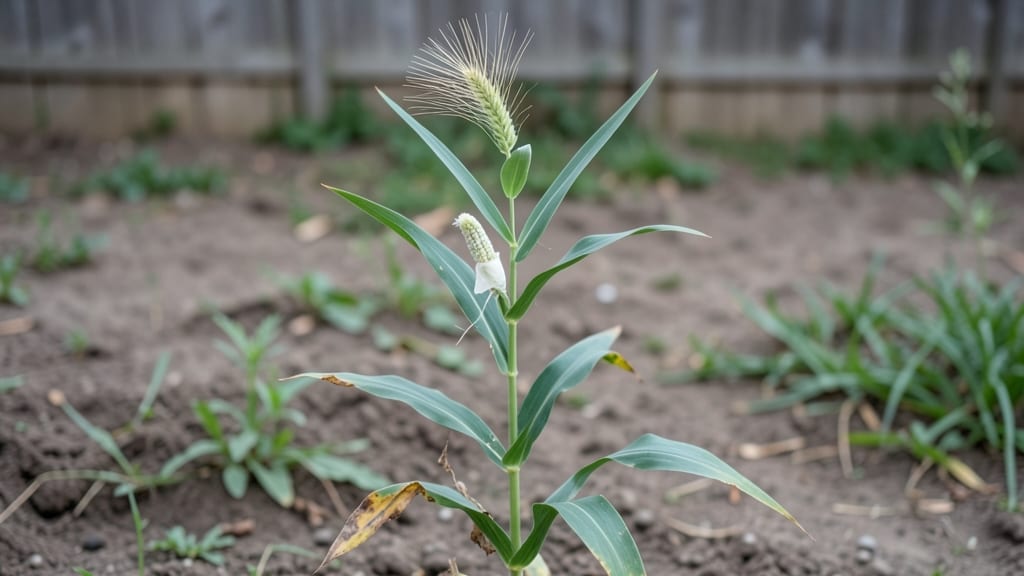
Growing a popcorn bush plant means fast, lush privacy that stays green all year long. ✨ I planted mine last spring, and by summer it was already blocking the neighbor's view while adding glossy leaves and delicate white flowers to the landscape.
The best part? Those tiny blue berries look like popcorn kernels—hence the name—and they’re edible too, though they’re more ornamental than culinary.
The secret to its rapid growth lies in well-draining soil and morning sunlight. Popcorn bushes thrive in zones 8-11 but can handle cooler climates in containers. A spot with 4-6 hours of sun keeps the foliage vibrant, while afternoon shade prevents leaf scorch.
Water when the top inch of soil feels dry—overwatering is the fastest way to kill this tough plant.
By late summer, you’ll see clusters of white flowers followed by those signature blue berries. Prune lightly in spring to shape it, but avoid heavy cuts—this bush grows aggressively when happy. The foliage stays dense year-round, making it a standout privacy screen that never goes dormant.
Perfect for hedges, containers, or even as a striking focal point. Once established, it’s nearly maintenance-free and handles heat and humidity like a champ. Let’s get yours growing fast!
📚 In This Guide
- What you need
- Instructions
- Tips and common mistakes
- Wrapping up and next steps
What you need
- ● Popcorn Bush seeds or cuttings: 3–5 (for multiple plants or redundancy). If using seeds, soak them in warm water for 24 hours to soften the hard outer shell.
- ● Well-draining potting mix: 1–2 bags (50 lbs each). Opt for a blend of cactus/succulent soil mixed with perlite or coarse sand (ratio: 60% soil, 30% perlite, 10% sand).
- ● Containers or garden bed: For seeds: 4–6-inch diameter pots (1–2 per seed) with drainage holes.
- ● For cuttings/saplings: 1–2 gallon pots or a prepared garden bed (6+ feet wide for mature spacing).
- ● Drainage materials: Small pebbles, gravel, or broken terracotta pots (1–2 inches layer at the bottom of containers).
- ● Basic gardening tools: Trowel or small shovel
- ● Pruning shears (sterilized with rubbing alcohol)
- ○ Gloves (optional but recommended—this plant has thorns!)
- ● Watering can or hose with a gentle spray nozzle (avoid overwatering).
- ○ Mulch (optional but helpful): 2–3 bags of organic mulch (e.g., pine bark or shredded leaves) to retain moisture and suppress weeds.
- ● Sunlight access: Full sun (6+ hours daily) or partial shade (for seedlings).
- ○ Fertilizer (optional): Balanced, slow-release granular fertilizer (e.g., 10-10-10) or liquid seaweed extract for cuttings.
- ● 💡 Test your soil: Popcorn Bush thrives in slightly alkaline soil (pH 6.5–7.5). Use a soil test kit if unsure.
- ● 🌡️ Climate note: Hardy in USDA zones 10–12. If in a cooler zone, grow in containers and overwinter indoors near a sunny window.
- ● ✨ Thorn safety: Wear gloves when handling—this plant’s branches are serrated and sharp!
Step-by-step instructions for planting a popcorn bush privacy screen
Here's how to plant your popcorn bush for a lush, year-round screen that grows fast and stays green.
🌱 Step 1: Choose the Right Location and Prepare the Soil
Pick a spot with 6-8 hours of direct sunlight daily—popcorn bushes thrive in full sun. They tolerate partial shade but won’t grow as vigorously. Clear the area of weeds, rocks, or debris, and loosen the soil to a depth of 12 inches with a shovel or tiller. This helps roots spread easily.
Popcorn bushes prefer well-draining soil with a slightly acidic to neutral pH (6.0–7.5). If your soil is heavy clay, mix in 2-3 inches of compost to improve drainage and fertility. The goal is loose, airy soil that won’t compact around the roots as they grow.
🪴 Step 2: Dig the Planting Hole and Position the Bush
Dig a hole twice as wide as the root ball but no deeper. This encourages roots to spread horizontally rather than sinking too deep. Gently remove the popcorn bush from its container and loosen any circling roots with your fingers—this prevents root bound issues down the line.
Place the bush in the hole so the top of the root ball sits 1 inch above ground level. This prevents water from pooling around the stem, which can cause rot. Backfill the hole with soil, tamping lightly every 2 inches to remove air pockets. Water deeply to settle the soil around the roots.
💧 Step 3: Water Thoroughly and Mulch for Retention
Give the newly planted bush a deep watering—1-2 gallons per plant—to encourage roots to spread into the surrounding soil. Water slowly at the base to avoid runoff, and let the soil absorb moisture completely. Over the next 2 weeks, water every 2-3 days until the soil feels consistently moist 2 inches below the surface.
Spread 2-3 inches of mulch around the base, keeping it 3 inches away from the stem to prevent rot. Use organic mulch like shredded bark or wood chips, which also improves soil health as it breaks down. This layer helps retain moisture, regulates soil temperature, and suppresses weeds—critical for fast growth.
☀️ Step 4: Provide Support and Monitor Growth
Popcorn bushes grow quickly—up to 3-5 feet per year—so install a sturdy trellis or fence nearby if you’re using them for a privacy screen. Tie the main stems loosely to the support as they grow to guide their shape. Avoid pruning in the first year unless you see leggy growth, which happens when light is insufficient.
Watch for new growth in 4-6 weeks. Healthy leaves should be glossy and dark green, with no yellowing or browning. If you notice wilting or leaf drop, check the soil moisture—popcorn bushes prefer consistent moisture but hate soggy roots. Adjust your watering schedule based on rainfall; mature bushes are drought-tolerant once established.
✂️ Step 5: Prune for Shape and Encourage Density
Once your popcorn bush reaches 3-4 feet tall, prune in late winter or early spring to shape it and encourage bushier growth. Cut back any leggy or overcrowded branches to ½ their length, making cuts just above a leaf node. This stimulates branching and fills out the screen faster.
Prune lightly throughout the growing season to maintain the desired shape. Remove any dead, diseased, or crossing branches immediately. With regular pruning, your popcorn bush will develop a dense, lush screen in 2-3 years, providing year-round privacy and greenery. The key is consistency—prune when you see overgrowth, not just once a year.
Tips & tricks for perfect popcorn bush planting
These little details make all the difference when planting your popcorn bush for that fast-growing privacy screen you're dreaming of.
Sunlight Secret: That 6-8 hours of direct sunlight isn't just a suggestion—it's non-negotiable for maximum growth. I've seen popcorn bushes struggle in partial shade, growing only half as fast. If your yard has limited sun, consider planting near a south-facing wall or window that gets reflected sunlight. Trust me, the faster growth in full sun is worth finding that perfect spot.
Root Treatment: Don't skip loosening those circling roots when you remove the bush from its container! I learned this the hard way after watching a plant struggle for months because of root bound issues. Gently separate those roots with your fingers—it takes about 2 minutes and makes all the difference for quick establishment. This simple step helps roots spread horizontally exactly as we want them to in Step 2.
Watering Wisdom: The 2-week watering schedule might seem strict, but it's crucial for establishing strong roots. I recommend using a moisture meter to check that 2-inch depth—it's the only way to know for sure you're not over or under-watering. In hot climates, you might need to water daily during those first 2 weeks, while cooler areas can stretch to every 3-4 days. Adjust based on your specific conditions.
Pruning Strategy: When you reach that 3-4 foot height for your first prune, here's what I do: I mark the branches I want to keep first, then cut back everything else. This prevents over-pruning and ensures you're always shaping rather than removing. The key is to cut just above a leaf node—you'll see little buds there where new growth will sprout. This technique creates that dense screen in just 2-3 years as promised.
Pro Tips for Popcorn Bush Plant
- These little details make all the difference when planting your popcorn bush for that fast-growing privacy screen you're dreaming of.
- Sunlight Secret: That 6-8 hours of direct sunlight isn't just a suggestion—it's non-negotiable for maximum growth.
- Root Treatment: Don't skip loosening those circling roots when you remove the bush from its container!
Frequently asked questions
Got questions about growing and maintaining your popcorn bush (Coccoloba uvifera)? You’re not alone! Here are answers to some of the most common queries to help you cultivate a thriving privacy screen with minimal stress.
How fast does a popcorn bush grow?
A popcorn bush grows at a moderate to fast pace, typically adding 3–6 feet per year under ideal conditions. With proper care—full sun, well-draining soil, and regular watering—you’ll see noticeable growth within 1–2 years, making it a fantastic choice for quick privacy screens.
How often should I water my popcorn bush?
Water your popcorn bush deeply 1–2 times per week during the first year to establish roots. Once mature, it’s drought-tolerant but appreciates weekly watering in hot, dry climates. Overwatering can lead to root rot, so always check soil moisture—stick your finger 2 inches deep before watering again.
Can popcorn bushes survive cold winters?
Popcorn bushes thrive in USDA Zones 9–11 and are not frost-hardy. In colder climates (below 25°F), protect young plants with mulch or frost cloth. If temperatures drop below 20°F, expect leaf damage, but the plant often rebounds in spring. Consider container-growing for flexibility!
Why are the leaves on my popcorn bush turning yellow?
Yellowing leaves usually signal overwatering, poor drainage, or nutrient deficiency. Check for soggy soil (adjust watering habits) or pale yellow leaves (add iron or fertilizer). If only older leaves yellow, it’s likely natural aging. Prune affected branches to encourage new growth.
What’s a good alternative if I can’t grow a popcorn bush?
If your climate isn’t suitable, try these fast-growing, evergreen alternatives:
- Australian Willow (Geijera parviflora) – Drought-tolerant and salt-resistant.
- Mexican Sycamore (Platanus mexicana) – Thrives in heat and poor soil.
- Holly (Ilex spp.) – Offers year-round structure and wildlife benefits.
Wrapping up and next steps
The popcorn bush is a fantastic choice for adding lush, year-round privacy with minimal effort—its fast growth and striking foliage make it a standout in any garden! Whether you’re seeking a natural screen, vibrant greenery, or low-maintenance beauty, this plant delivers big results with ease.
Ready to transform your outdoor space? Start by gathering your supplies, picking the perfect spot, and planting with confidence! Your future privacy haven awaits—let’s get growing! 🌿✨