Pruning
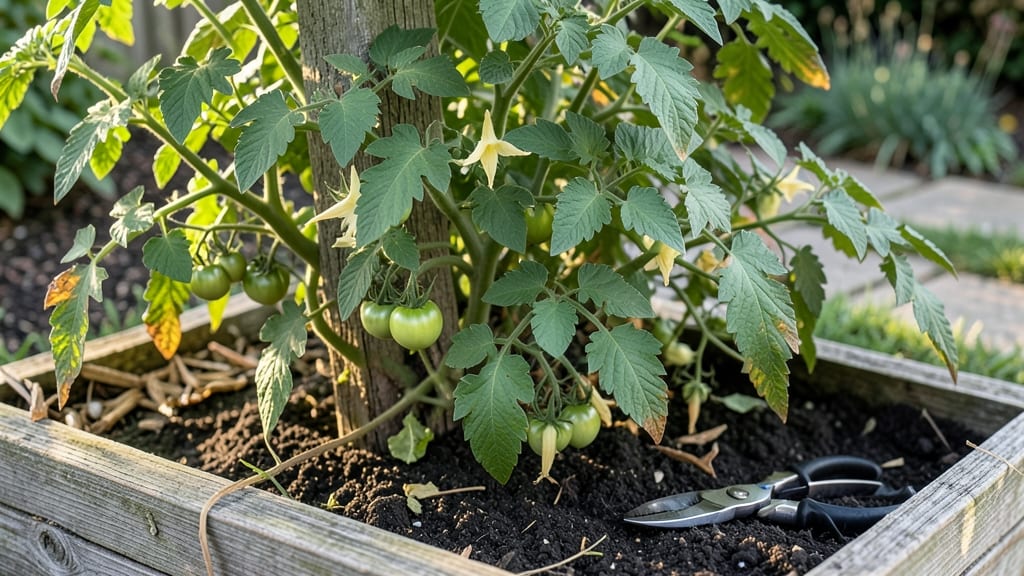
Pruning vegetable plants isn't just trimming—it's the secret to year-round productivity that turns struggling plants into high-yielding powerhouses. 🌱 I learned the hard way when my tomato plants sprawled everywhere instead of focusing energy on fruit.
The right cuts redirect growth where you want it, whether that's more tomatoes, bushier herbs, or cleaner cucumber vines.
You only need three precision cuts and a sharp pair of shears to transform your garden. Timing matters: prune tomatoes early in the season to shape the plant, then focus on suckers (those little shoots in the joint) as they appear.
For cucumbers, snip lateral shoots to keep energy flowing to the main vine and fruit. Herbs like basil benefit from a light trim to encourage bushiness—never cut more than a third of the plant at once.
What you'll end up with is healthier plants that produce longer, fewer pests hiding in dense foliage, and vegetables that ripen faster. The key is clean cuts just above a leaf node (that little bump where leaves grow) so new growth can sprout from there.
Sterilize your tools between plants to avoid spreading disease—a quick wipe with rubbing alcohol does the trick.
This works for nearly every vegetable, from peppers to beans, and adapts to your climate. In cooler zones, prune later in the season to extend the harvest.
In hot areas, prune early to prevent stress. The goal? More food, less work, and plants that look like they belong in a catalog.
📚 In This Guide
- What you need
- Instructions
- Tips and common mistakes
- Wrapping up and next steps
What you need
- ● Pruning shears: Bypass pruners (sharp, clean blades, 5-7 inches) – 1 pair (for small stems). For thicker branches, a pruning saw (8-10 inches) – 1.
- ○ Gloves: Garden gloves (nitrile-coated for grip and protection) – 1 pair (optional but recommended for prickly plants like roses or thorny vines).
- ● Disinfectant: Rubbing alcohol (70%+) or bleach solution (1 part bleach to 9 parts water) – small bottle or spray (for sterilizing tools between cuts).
- ● Compost bin or bag: Medium-sized container – 1 (for collecting pruned debris).
- ● Watering can or hose: Light spray nozzle – 1 (to hydrate plants post-pruning).
- ● Hand lens or magnifying glass: For inspecting plant health up close (especially for pests/diseases).
- ● Plant markers: Label tags – pack of 10-20 (to track pruned varieties if needed).
- ● Mulch: Straw, wood chips, or shredded leaves – small bag (to protect soil and retain moisture after pruning).
- ● Knee pad or stool: For comfort during long pruning sessions.
How to prune vegetable plants for healthier growth and bigger harvests
Pruning isn’t just for flowers—it’s the secret to keeping your veggies productive all season. Here’s how to do it right, with three key cuts that work for tomatoes, peppers, herbs, and more.
✂️ Step 1: Remove Damaged or Diseased Leaves and Stems
Start by inspecting your plants for any leaves with holes, brown edges, or yellowing spots—these are entry points for pests and diseases. Use clean, sharp pruning shears to snip them off at the base, leaving a small stub. I always disinfect my tools with rubbing alcohol between cuts to prevent spreading anything to healthy parts of the plant.
Focus on the lower leaves first, especially on plants like tomatoes and peppers. These leaves often touch the soil, where moisture and debris can foster rot. Removing them improves airflow, which keeps the plant drier and less prone to fungal issues. You’ll know you’re doing it right when the plant’s center looks more open and airy.
🌿 Step 2: Pinch Off Suckers for Bushier Growth
Suckers are the small shoots that grow in the crotch between the main stem and a branch—common in tomatoes, peppers, and even some herbs like mint. These little growths drain energy from your main plant, so pinching them off early encourages stronger, fruit-bearing branches. Use your fingers or shears to twist or cut them off just above where they meet the stem.
For tomatoes, I do this every 2-3 weeks until the plant flowers. The goal is to keep the plant focused on producing fruit rather than leafy growth. You’ll notice the main stem thickens and the plant takes on a fuller shape. If you miss a sucker, don’t worry—just catch them early before they grow more than 1 inch long.
✂️ Step 3: Trim Overgrown or Crowded Branches
Once your plant starts flowering or fruiting, focus on thinning out overcrowded branches to improve sunlight and air circulation. For example, in tomato plants, I remove the lower leaves once the fruit sets to redirect energy upward. In herbs like basil or cilantro, I snip back leggy stems to encourage bushier, more flavorful growth.
Cut just above a leaf node or branch junction—never leave a stub. This prevents moisture from pooling and causing rot. If you’re pruning for harvest (like with herbs), trim just above a set of leaves to encourage new growth. You’ll see a noticeable difference in 2-3 weeks: plants will look more compact, and you’ll get bigger, healthier yields.
⏰ Step 4: Time Your Pruning for Maximum Impact
Prune in the early morning or late afternoon when temperatures are cooler. This reduces stress on the plant and gives it time to recover before the heat of the day. Avoid pruning during heatwaves or right before a heavy rain—both can stress the plant and slow its recovery.
For most vegetables, prune every 2-4 weeks during the growing season. Herbs like rosemary and thyme need less frequent trimming, while fast growers like basil or zucchini benefit from more regular maintenance. Watch for new growth after each trim—that’s your signal you’re doing it right.
Tips & tricks for pruning vegetable plants
These precision cuts aren't just about looks—they're the secret to keeping your veggies thriving all season long.
Tool Prep Matters: Before you start, sharpen your pruning shears with a file or honing stone to make clean cuts. Dull blades crush stems instead of slicing them cleanly, which can damage the plant and invite disease. I also keep a small bottle of rubbing alcohol handy to disinfect my tools between cuts—this prevents spreading any potential pathogens from diseased leaves to healthy parts of the plant. Remember, clean tools mean healthier plants!
Focus on the Right Leaves: In Step 1, when removing damaged leaves, prioritize the lower leaves that touch the soil, especially on plants like tomatoes and peppers. These leaves are prime candidates for rot and disease because they're constantly in contact with moisture and debris. For herbs like basil and cilantro, focus on removing yellowed or leggy stems to encourage bushier growth. The goal is to create better airflow throughout the plant, which helps prevent fungal issues.
Timing is Everything: The 2-3 week interval for pinching off suckers (Step 2) is crucial for tomatoes and peppers. This regular maintenance keeps your plants focused on producing fruit rather than leafy growth. For herbs, you can trim more frequently—every 2-4 weeks—since they grow faster. Always prune in the early morning or late afternoon when temperatures are cooler. This gives your plants time to recover before the heat of the day, reducing stress and helping them bounce back faster.
Visual Cues for Success: After trimming overgrown branches (Step 3), watch for new growth within 2-3 weeks. This is your signal that the plant is responding well to the pruning. For tomatoes, you'll notice thicker main stems and more compact growth. In herbs, you'll see bushier, more flavorful foliage. If you don't see new growth within this timeframe, you might be pruning too aggressively—try cutting back slightly next time.
Pro Tips for Prune Vegetable Plants
- These precision cuts aren't just about looks—they're the secret to keeping your veggies thriving all season long.
- Tool Prep Matters: Before you start, sharpen your pruning shears with a file or honing stone to make clean cuts.
- Focus on the Right Leaves: In Step 1, when removing damaged leaves, prioritize the lower leaves that touch the soil, especially on plants like tomatoes and peppers.
Frequently asked questions
Got questions about pruning your vegetable plants? You’re not alone! Here are some of the most common concerns—and straightforward answers—to help you prune like a pro.
When is the best time to prune vegetable plants?
Timing depends on the plant! For leafy greens (like lettuce or kale), prune outer leaves when they’re 3–4 inches tall to encourage regrowth. For fruit-bearing plants (tomatoes, peppers, cucumbers), prune in the morning after dew dries (around 8–10 AM) to reduce stress. Avoid pruning during heatwaves or frost—plants heal better in mild weather.
Do I need special tools to prune vegetable plants?
Not necessarily! Start with a sharp pair of bypass pruners (for stems thicker than a pencil) or clean scissors (for delicate leaves). For large plants like tomatoes, hand pruners or even your fingers work. Just sanitize tools with rubbing alcohol between cuts to prevent disease.
What if I prune too much? Will my plants die?
Over-pruning can stress plants, but most vegetables are resilient. If you accidentally remove too much, don’t panic! Focus on healthy leaves (green, not yellow/brown) and avoid cutting into the main stem. For bushy plants (like basil), a light trim stimulates bushier growth. For vining plants (cucumbers, squash), prune aggressively only if pests/disease are present.
Can I prune vegetable plants in winter?
Winter pruning depends on your climate and plant type. For perennial veggies (like asparagus or rhubarb), prune dead foliage in late winter to encourage new growth. For annuals (tomatoes, peppers), wait until spring—cold stress can weaken plants. If you’re in a mild zone, prune lightly to remove damaged leaves but avoid heavy cuts.
What’s the difference between pruning and harvesting?
Pruning removes entire leaves, stems, or suckers to shape growth or improve airflow (e.g., trimming tomato suckers). Harvesting picks specific parts (like tomato fruits or lettuce leaves) to encourage more production. Think of it this way: prune to manage the plant; harvest to use it!
Pro Tip:
Unsure if a stem is ready to prune? The “thumb test” works for tomatoes: if a sucker (side shoot) is thicker than a pencil, it’s competing for energy—prune it! For leafy greens, pinch off wilted or yellowing leaves first.
Wrapping up and next steps
Pruning your vegetable plants isn’t just about trimming—it’s a game-changer for year-round productivity, healthier growth, and bountiful harvests. 🌱 By mastering the three precision cuts (pruning for shape, size control, and disease prevention), you’ll transform your garden into a thriving, low-maintenance oasis.
Whether you’re a seasoned gardener or just starting, these techniques make the process simple and rewarding!
Ready to take the next step? Grab your pruners, pick a sunny day, and start pruning! Your future harvests—and your plants—will thank you. 🌿✨