Pruning
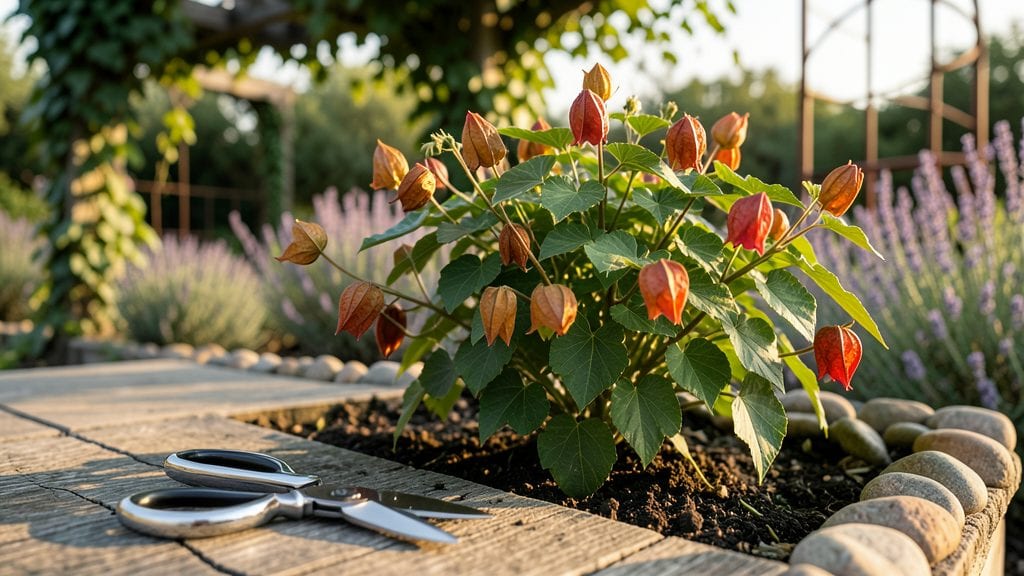
Pruning abutilon plants transforms them from a few scattered blooms into a nonstop floral explosion that lasts all year. 🌸 I’ve watched mine go from scraggly to showstopping just by following three simple cuts at the right times—no green thumb required.
The key isn’t how much you trim but when and why, and I’ll show you exactly how to do it without sacrificing next season’s growth.
You’ll need just three tools: sharp pruning shears, clean rubbing alcohol (to sterilize cuts), and a small bucket for clippings. The real secret? Timing.
First trim in early spring removes dead wood and shapes the plant, the second in late spring encourages bushier growth, and the third in early fall preps for winter. Each cut takes less than 15 minutes, and the results—more blooms, fuller foliage, and stronger stems—are immediate.
After pruning, your abutilon will reward you with denser branches that hold more flowers and a shape that’s easier to care for. The plant focuses energy on blooming instead of leggy growth, and you’ll end up with a bush that looks like it belongs in a greenhouse, not your backyard.
The best part? You’ll never again wonder why your abutilon’s flowers keep fading—this method keeps them coming.
Works for both indoor plants (like my living room abutilon) and outdoor bushes, and adapts to any climate zone. Once you master these three trims, your plant will thank you with year-round color—and so will your neighbors. Let’s get to it.
📚 In This Guide
- What you need
- Instructions
- Tips and common mistakes
- Wrapping up and next steps
What you need
- ● Sharp bypass pruners – Must be clean and sharp (sterilize with rubbing alcohol between cuts to prevent disease). Size: 5–7 inches for precision.
- ● Hand pruners (felco or similar) – For smaller stems and detail work. Quantity: 1 pair.
- ● Disposable gloves – Protects hands from sap and thorns. Type: Nitrile or latex-free.
- ● Rubbing alcohol (70% or higher) – 1 small bottle for sterilizing tools.
- ○ Pruning shears (optional) – For larger branches (if your abutilon grows over 4 feet). Size: 8–10 inches.
- ○ Horticultural sealant (optional) – 1 small tube (like Tree Topp or pruning wax) to seal cuts on thick stems.
- ● Sunlight check – Prune in morning (avoid afternoon heat stress).
- ● Water nearby – A bucket or hose to rinse tools and clean up sap.
- ● Trash bag – For clippings (compost or discard).
- ○ Notebook & pen (optional) – To track trim dates and plant responses!
Step-by-Step instructions for pruning abutilon plants
Here's the exact method I use to keep my abutilon bushes lush, blooming year-round with just three targeted cuts.
✂️ Step 1: First Trim After Winter Dormancy
Wait until late February or early March when new growth begins—you'll see tiny buds forming at the stem bases. This is your cue to revive the plant after its winter rest. Using clean, sharp pruning shears, cut back all stems by one-third of their length, making cuts just above a leaf node or bud. I always sterilize my tools with rubbing alcohol first to prevent bacterial infections.
Remove any dead, damaged, or crossing branches completely. The goal is to open up the plant's center for better air circulation and light penetration. You'll notice the stems look uneven at first—that's normal. Abutilons respond well to this drastic cut because they're naturally bushy growers. Water deeply after pruning to help the plant recover and encourage fresh growth from the cut points.
✂️ Step 2: Summer Maintenance Pruning Every 6-8 Weeks
Once the plant has established new growth in spring, switch to a lighter maintenance approach. Every 6-8 weeks during the growing season, inspect the plant and remove only the spent blooms and leggy stems. Pinch back the tips of new growth by ½ inch to encourage bushier, more compact growth. This is where you'll see the difference in your plant's shape—it'll start filling out instead of stretching upward.
I always look for stems that are growing toward the center of the plant or those with yellowing leaves. These are your targets. Never cut more than 20% of the plant's foliage in one session. After each maintenance trim, give the plant a light feeding with a balanced fertilizer to reward its efforts. You'll notice new buds forming within 2-3 weeks of these light prunings, which is your signal that the plant is responding well.
✂️ Step 3: Late Summer Bloom Extension Trim
In late August or early September, when you notice the blooming frequency slowing down, it's time for your final strategic trim. Cut back all stems by another one-third, but this time focus on the oldest wood. You want to stimulate one last flush of blooms before fall. Make your cuts just above a leaf node or outward-facing bud to encourage growth in the right direction.
This is also the perfect time to shape the plant. Step back and visualize how you want it to look—perhaps with a fuller top or more defined layers. Remove any stems that are growing in directions you don't want. After this trim, reduce watering slightly and stop fertilizing to encourage the plant to focus its energy on setting new buds rather than leaf growth. You'll typically see new flowers within 3-4 weeks, extending your blooming season well into fall.
✂️ Step 4: Light Winter Pruning (Optional)
If your abutilon retains some leaves through winter, you can do a very light pruning in December to remove any dead or diseased branches. Simply snip off anything that looks brown, crispy, or damaged. This keeps the plant looking tidy without stressing it before its natural dormancy period. If your plant completely loses its leaves, wait until spring to begin the process again.
I always leave the plant alone during winter unless it's clearly suffering. Abutilons are surprisingly resilient, and a little dormancy actually helps them store energy for next year's spectacular blooms. The key is to trust the plant's natural cycle—you'll know you've done enough when you see those first bright green buds pushing through in early spring.
Tips & tricks for perfect abutilon pruning
These strategic insights will help you transform your abutilon into a year-round blooming powerhouse with minimal effort.
Timing is Everything: The late February/early March window for your first trim is crucial because it aligns with the plant's natural awakening from dormancy. I've found that waiting until you see those tiny buds forming at stem bases gives you the perfect cue—this timing ensures you're not pruning too early when the plant is still conserving energy. Trust the plant's signals rather than sticking to a rigid calendar date.
Tool Preparation Matters: Sterilizing your pruning shears with rubbing alcohol before each cut is non-negotiable. I learned this the hard way after a bacterial infection spread through my abutilon collection. For the one-third cuts in Step 1 and Step 3, use sharp shears to make clean cuts just above leaf nodes—this prevents tearing and promotes faster healing. A dull blade crushes stems, creating entry points for disease.
Visual Cues for Maintenance: During your 6-8 week summer maintenance, focus on three key visual indicators: stems growing toward the center, yellowing leaves, and leggy growth. These are your targets because they indicate areas where the plant isn't getting adequate light or air circulation. The 20% foliage limit is important—cutting too much stresses the plant and can delay the 2-3 week bud formation you're aiming for.
Seasonal Adjustments: The late August/early September bloom extension trim works because you're targeting the oldest wood when the plant's energy naturally begins to shift toward dormancy. This timing creates a perfect balance—you're stimulating one last flush of blooms while preparing the plant for winter. The 3-4 week wait for new flowers after this trim is actually ideal timing for fall blooms before the first frost.
Pro Tips for Pruning Abutilon Plants
- These strategic insights will help you transform your abutilon into a year-round blooming powerhouse with minimal effort.
- Timing is Everything: The late February/early March window for your first trim is crucial because it aligns with the plant's natural awakening from dormancy.
- Tool Preparation Matters: Sterilizing your pruning shears with rubbing alcohol before each cut is non-negotiable.
Frequently asked questions
Got questions about pruning your Abutilon (aka "Chinese lantern")? You're not alone!
Here are the most common concerns—plus expert answers to keep your plant thriving and blooming like crazy.
When is the best time to prune Abutilon for maximum blooms?
Prune your Abutilon twice a year: late winter/early spring (just before new growth starts) to shape the plant and remove dead wood, and mid-summer (after the first flush of blooms) to encourage a second flowering cycle. A light trim in fall (if needed) can also promote bushier growth.
How do I know if I’m pruning too much or too little?
Too much pruning (cutting back more than 1/3 of the plant) can stress your Abutilon and reduce blooms. Too little leaves it leggy and sparse. Rule of thumb: Aim for 10–25% of the plant’s height per pruning session. If you see bare stems or fewer flowers, you’ve likely over-pruned.
Can I prune Abutilon in winter? What about after it blooms?
Prune lightly in winter (if needed) to remove dead or damaged branches, but avoid heavy cuts—your plant is dormant! After blooms fade, wait 2–3 weeks before pruning to let the plant recover. If you prune right after flowering, you might stunt the next bloom cycle.
What should I do if my Abutilon looks leggy after pruning?
Leggy growth usually means too little light or over-pruning. Fix it by:
- Moving the plant to a sunnier spot (6+ hours of light daily).
- Pinching back tips (not just cutting stems) to encourage bushier growth.
- Fertilizing lightly with a balanced bloom booster (like 10-10-10) to support new leaves.
Is there a way to prune Abutilon without sacrificing flowers?
Yes! Use the "selective pruning" method:
- Trim only the oldest stems (they produce fewer blooms) to encourage new growth.
- Leave healthy, flowering branches intact—cut just above a leaf node to promote branching.
- Use sterilized shears and seal cuts with cinnamon powder to prevent disease.
Wrapping up and next steps
Pruning your abutilon plants doesn’t have to be intimidating—it’s your secret weapon for year-round blooms and a bushier, healthier shrub! 🌿 With just three strategic trims (spring, summer, and fall), you’ll encourage vibrant flowers, control growth, and keep your plant thriving.
The key? Timing, sharp tools, and a little patience—and soon, you’ll have a showstopping focal point in your garden.
Ready to see the results? Grab those shears and give it a try—your abutilon will thank you with a cascade of colorful blooms! For even more tips, check out our pruning calendar to stay on track.