Pruning
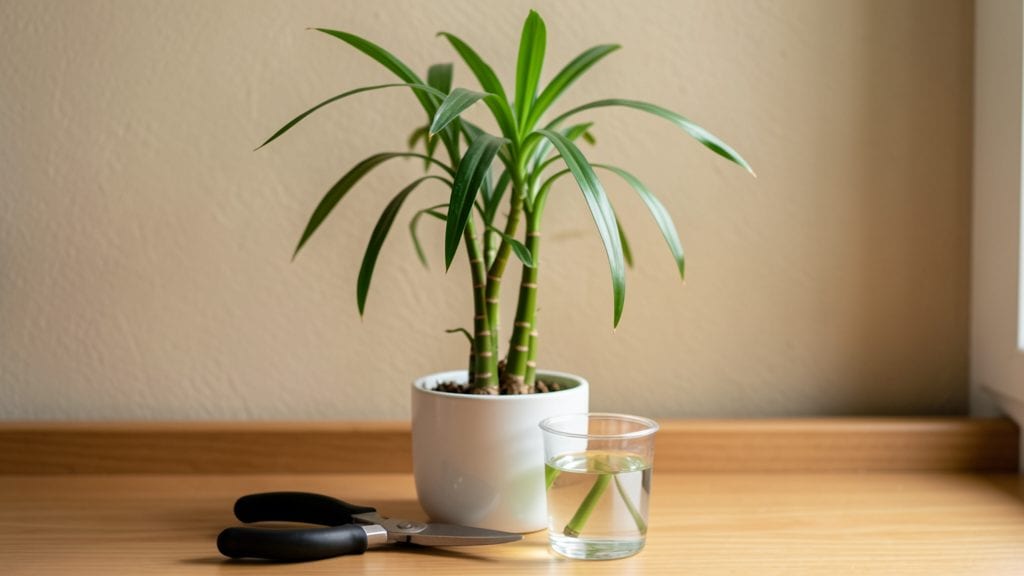
Pruning bamboo plants keeps them lush and contained—without it, you’ll end up with a jungle where you just wanted a screen. 🌱 I’ve wrestled with both running and clumping types, and the difference between a tidy border and a wild takeover comes down to timing, technique, and knowing when to cut.
The right approach turns aggressive spreaders into manageable, thriving plants that actually enhance your landscape.
The key tools are simple: sharp pruners for clean cuts, a saw for thick stalks, and gloves to protect your hands from razor-sharp edges. Timing matters most—prune running bamboo in late winter or early spring before new shoots appear, while clumping types can handle light trimming year-round.
For both, focus on removing dead canes first, then thinning out crowded stems to improve airflow and sunlight penetration.
What you’ll end up with is a bamboo plant that looks intentionally designed, not like it escaped a tropical forest. The regrowth after proper pruning is shockingly vigorous—new shoots emerge within weeks, and the plant invests energy in dense, healthy growth instead of sprawling uncontrollably.
Even stubborn runners can be tamed with consistent maintenance, and the results are worth the effort.
This works for both sunny borders and shaded gardens, though species like Fargesia (clumping) respond best to regular trimming than Phyllostachys (running). The secret? Never cut more than one-third of the plant at once, and always make cuts just above a node.
That’s how you keep bamboo under control without sacrificing its natural beauty.
📚 In This Guide
- What you need
- Instructions
- Tips and common mistakes
- Wrapping up and next steps
What you need
- ● Sharp pruning shears or loppers – Choose bypass pruners (for clean cuts) or anvil pruners (for thicker stems). A 10-12 inch pair works best for most bamboo varieties.
- ● Pruning saw – For thick stems (1+ inch diameter). A bow saw or folding pruning saw with a 10-14 tooth blade is ideal.
- ● Gloves – Heavy-duty gardening gloves (preferably nitrile-coated) to protect against sharp edges, sap, and thorns (common in running bamboo).
- ● Disinfectant (rubbing alcohol or bleach solution) – 70% isopropyl alcohol or a 1:10 bleach-water mix to sterilize tools between cuts and prevent disease spread.
- ● Ladder or step stool – For reaching taller bamboo (6+ feet). Ensure it’s stable and non-slip.
- ● Sharpie or marker – To label cuts if pruning in stages (e.g., marking stems for removal later).
- ● Mulch or compost – 2-3 inches of organic mulch (e.g., straw or wood chips) to suppress regrowth after pruning.
- ● Root barrier repair kit – If your bamboo is running type, check for damaged barriers and patch with corrugated metal or HDPE plastic.
- ● Work boots or closed-toe shoes – For protection against stray roots or uneven ground.
- ● Trash bags or bucket – To collect debris for easy cleanup.
- ● Check the weather forecast – Prune on a dry, overcast day to avoid stressing the plant (wet conditions can spread disease).
- ● Wear protective eyewear – Sap or debris from bamboo can irritate eyes.
- ● Know your bamboo type – Running bamboo spreads aggressively; clumping bamboo is easier to control.
- ● Plan your cuts – Sketch a rough layout of what you want to achieve (e.g., height reduction, dense foliage, or containment).
Step-by-Step guide to pruning bamboo plants
Transform a wild spreader into a tidy, manageable plant with these simple pruning techniques.
✂️ Step 1: Identify and Remove Dead or Weak Canes
Start in early spring when new growth begins. Look for canes that are hollow, discolored, or have no leaves—these won’t recover. I grab a sharp pair of pruning shears and cut these dead canes at the base, just above the soil line. This keeps your plant healthy and prevents disease from spreading.
Don’t skip this step—dead canes sap energy from healthy growth. If you’re unsure whether a cane is dead, scratch the outer layer with your fingernail. If it’s brown underneath, it’s time to remove it. Focus on canes that are thinner than a pencil or show signs of damage.
✂️ Step 2: Thin Out Overcrowded Canes for Better Airflow
Bamboo grows in clumps, and over time, canes can become too dense. Aim to leave about 3-5 healthy canes per plant, depending on its size and variety. I start by selecting the thinnest, weakest canes—these are competing for nutrients and light.
Use clean pruning shears to cut these canes at the base. Step back and look at your plant from all angles to check for balance. You’ll notice new shoots emerging from the center—these are your future strong canes. Thin in stages if needed; removing too many at once can shock the plant.
✂️ Step 3: Trim Back Overgrown Canes for Shape and Control
If your bamboo is spreading beyond its intended space, it’s time to shape it. I use loppers for thicker canes and pruning shears for thinner ones. Cut back canes to about 1/3 of their height to encourage bushier growth. For clumping bamboo, focus on canes that are growing outward.
Make cuts just above a node (the bump where leaves or branches grow). This ensures new growth will sprout from a strong point. Avoid cutting into the main trunk—this can harm the plant. After trimming, water deeply to help the plant recover and reduce stress.
✂️ Step 4: Prune Foliage to Encourage New Growth
Once the growing season is in full swing, trim back any yellowed or damaged leaves. Use sharp scissors to cut leaves at their base, removing only what’s necessary. This step improves airflow and reduces the risk of fungal diseases.
For a fuller look, I like to trim the top 1/4 of the tallest canes in late summer. This triggers bushier growth and prevents the plant from becoming too leggy. Avoid heavy pruning in fall or winter—bamboo needs energy to prepare for dormancy.
⏰ Step 5: Clean Up and Maintain Year-Round
After pruning, gather all cuttings and dispose of them properly. If your bamboo is running (spreading via underground rhizomes), dig up any unwanted shoots that appear outside your designated area. I use a sharp spade to cut rhizomes at least 12 inches deep to prevent regrowth.
Sterilize your tools with rubbing alcohol between cuts to prevent the spread of disease. Water your bamboo thoroughly after pruning to help it recover. With regular maintenance, your bamboo will stay dense, healthy, and contained—no wild spreads in sight!
Tips & tricks for pruning bamboo plants
Keeping your bamboo under control takes more than just cutting—it's about timing, technique, and understanding what your plant actually needs. Here's what I've learned to keep my bamboo looking lush and contained year after year.
Timing is Everything: Early spring is the ideal time for Step 1 and Step 2 because that's when new growth begins. This gives your plant the best chance to recover and grow strong canes for the season. I've found that pruning in late winter (just before buds swell) gives you a head start on shaping the plant before it really takes off. Avoid pruning in fall—your bamboo needs all its energy to prepare for dormancy, not to heal from cuts.
Tool Prep Prevents Problems: Sterilizing your tools between cuts (as mentioned in Step 5) is non-negotiable. I keep a small bottle of rubbing alcohol handy and wipe down my shears after every 3-4 cuts. This prevents spreading fungal diseases between canes. Also, make sure your tools are sharp—dull blades crush stems instead of making clean cuts, which can damage the plant and invite infections. I sharpen my pruning shears once a season to keep them in top shape.
The 1/3 Rule for Shaping: When you're trimming back overgrown canes in Step 3, that "1/3 of their height" is more important than you might think. Cutting back too much at once can shock the plant, while leaving too much doesn't encourage the bushier growth we want. I like to visualize the plant as a tree—if I'm cutting back the "branches" (canes), I want to leave enough "foliage" (leaves) to keep it photosynthesizing properly. For tall canes, I might do this in stages over a few weeks.
Seasonal Maintenance Calendar: Create a simple pruning schedule based on these steps: Early spring (Steps 1-2), late spring/early summer (Step 3), mid-summer (Step 4), and fall/winter (Step 5 cleanup). I mark these dates on my calendar so I don't miss the optimal windows. For example, after the heavy pruning in Step 3, I'll do a quick foliage check in Step 4 about 6-8 weeks later to maintain that bushy look without overdoing it. This consistent schedule keeps my bamboo looking intentional rather than wild.
Pro Tips for Pruning Bamboo Plant
- Keeping your bamboo under control takes more than just cutting—it's about timing, technique, and understanding what your plant actually needs.
- Timing is Everything: Early spring is the ideal time for Step 1 and Step 2 because that's when new growth begins.
- Tool Prep Prevents Problems: Sterilizing your tools between cuts (as mentioned in Step 5) is non-negotiable.
Frequently asked questions
Got questions about keeping your bamboo in check? We’ve got answers! Whether you’re a newbie or a seasoned gardener, these common concerns will help you prune like a pro.
When is the best time to prune bamboo?
The ideal time to prune bamboo is late winter or early spring, just before new growth begins. This helps redirect energy to healthy shoots and prevents invasive spread. Avoid pruning in fall—it can stimulate unwanted regrowth before winter dormancy. For running bamboo, prune aggressively in early spring to control rhizome expansion.
What if I prune bamboo at the wrong time?
Pruning at the wrong time (like summer or fall) can stress the plant, leading to stunted growth, disease susceptibility, or even dieback. If you must prune outside the ideal window, do so lightly and avoid cutting more than 1/3 of the foliage. Always sterilize your tools to prevent infections!
Can I prune bamboo to stop its spread entirely?
No—bamboo’s rhizomes (underground stems) will always regrow unless you physically remove the root barrier or dig up the clump. For containment, use root barriers (buried 2–3 feet deep) or opt for clumping bamboo, which spreads slower naturally. Pruning alone won’t eliminate spread but helps manage it.
How do I prune dead or diseased bamboo?
First, sterilize your pruners with rubbing alcohol. Cut dead canes at the base and remove any yellowing or mushy stems. For fungal diseases (like rust), prune infected parts early in the day when humidity is lower. Dispose of debris far from the plant to prevent reinfection.
What’s the difference between pruning running vs. clumping bamboo?
| Running Bamboo | Clumping Bamboo |
|---|---|
| Aggressive pruning needed to control rhizomes. Cut canes at ground level and dig up stray shoots. | Light pruning suffices—focus on shaping and removing old canes. Rhizomes stay contained. |
| Use root barriers for long-term control. | No barriers needed; prune to maintain density. |
Pro tip: Running bamboo like Phyllostachys needs annual pruning, while clumping types (e.g., Bambusa) thrive with minimal trimming.
Wrapping up and next steps
Pruning your bamboo isn’t just about keeping it in check—it’s about unlocking its full potential for lush, healthy growth while maintaining harmony in your garden. 🌿 With the right tools, timing, and techniques, you can transform unruly spreads into a controlled, thriving feature that enhances your outdoor space.
Remember, consistency is key, so grab those pruners and get ready to enjoy the rewards of your green thumb!
Now that you’re armed with expert tips, take action—schedule your next pruning session and watch your bamboo flourish! Whether you’re a beginner or a seasoned gardener, every trim brings you closer to that perfectly manicured (or wild, if that’s your vibe!) bamboo oasis. Happy gardening! 🌱