Pruning
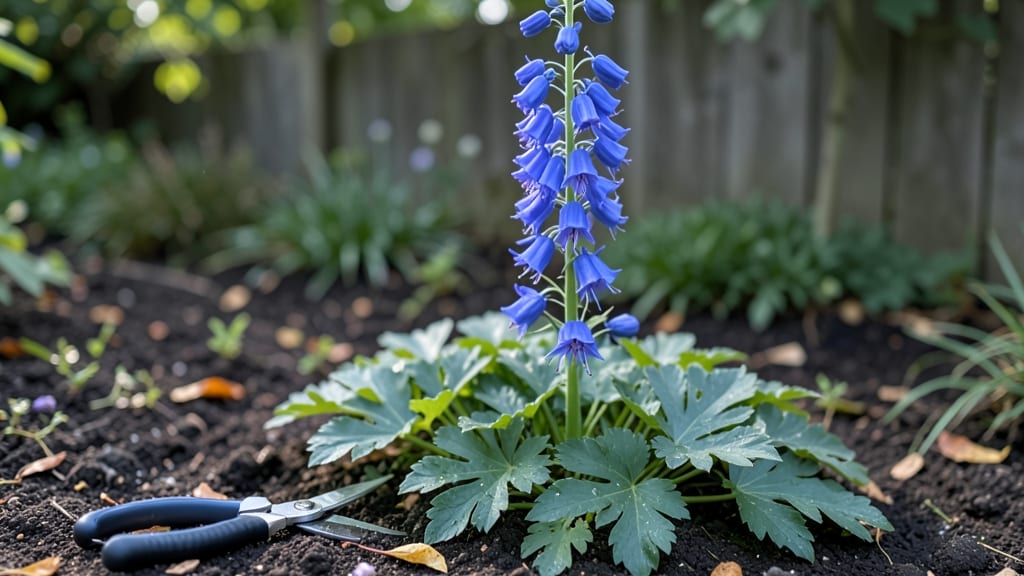
Pruning delphinium plants at the right time turns those towering spires into nonstop bloomers. ✨ I learned the hard way that cutting too early means fewer flowers, while waiting too long risks leggy stems and weak blooms—so timing is everything.
The secret lies in understanding when your plants are resting versus when they're gearing up for their next show.
You only need three tools: sharp pruners, gloves, and a clear day to work. First, tackle dead or damaged stems right after the first frost, cutting them back to the ground.
Then, in early spring—just as new shoots emerge—shape the plant by removing up to a third of the oldest stems to encourage fresh growth. This isn’t about drastic cuts; it’s about guiding the plant’s energy toward stronger, more vibrant blooms.
After pruning, give your delphiniums a light feeding with a balanced fertilizer to fuel new growth. Keep the soil moist but not soggy for the first few weeks, and watch as those sturdy stems fill out with buds by late spring.
The payoff? Blooms that last from early summer through fall, with stems that stay strong enough to support their own weight.
This method works for both biennial and perennial delphiniums, whether you’re growing them in full sun gardens or as dramatic cut-flower stalks. The key is consistency—once you master the timing, your plants will reward you with years of effortless, show-stopping blooms.
📚 In This Guide
- What you need
- Instructions
- Tips and common mistakes
- Wrapping up and next steps
What you need
- ● Sharp bypass pruners – Choose high-quality, stainless-steel pruners (e.g., Felco or Fiskars) with a 4- to 6-inch blade for clean cuts. Dull blades crush stems, inviting disease!
- ● Hand pruners or shears – For smaller stems or deadheading (e.g., Corona or Gonicc brands). Opt for ergonomic handles to reduce hand fatigue.
- ● Gloves – Garden gloves (nitrile-coated for grip) to protect against thorns and sap irritation.
- ● Disinfectant (70% isopropyl alcohol or bleach solution) – 1 part bleach to 9 parts water to sterilize tools between cuts and prevent bacterial spread.
- ○ Pruning saw (optional) – If dealing with thick, woody stems (rare in delphiniums but useful for overgrown plants). A folding pruning saw works best.
- ● Garden twine or plant ties – 1/4-inch wide for securing stems after pruning (if needed for support).
- ● Clear weather – Prune on a dry, overcast day to avoid stressing the plant (wet conditions promote fungal issues).
- ● Pruning schedule reminder – Mark your calendar for early spring (before new growth) and post-bloom (late summer).
- ● Compost or mulch – 2-3 inches of organic mulch (e.g., shredded bark or compost) to replenish soil after pruning.
- ○ Plant identification guide (optional) – If unsure about your delphinium variety, snap a photo for visual confirmation (e.g., Delphinium elatum vs. Delphinium ajacis).
Step-by-Step guide for pruning delphinium plants
Here's how to keep your delphiniums thriving with precise timing and technique.
⏰ Step 1: Prune After First Bloom Cycle
Delphiniums bloom in stages, so the first cut comes right after the initial flowers fade. Use clean, sharp pruners to trim stems back by about one-third—this encourages a second flush of blooms. I like to make cuts just above a set of leaves or a side bud to promote new growth.
Wait until at least 50% of the first bloom cluster has dropped before pruning. Cutting too early removes energy the plant needs to finish its first cycle. If you prune too late, you risk missing the second bloom entirely.
✂️ Step 2: Deadhead Regularly During Summer
Throughout the growing season, remove spent blooms immediately by pinching or snipping them off at the base. This prevents the plant from wasting energy on seed production and redirects it toward new flowers. I use my fingers for small stems and pruners for thicker ones.
Check your delphiniums every 3-5 days during peak bloom. The moment you see a flower head start to wilt or drop petals, remove it. This keeps the plant focused on producing fresh blooms instead of seeds.
🌿 Step 3: Cut Back After Final Bloom
When the last flowers of the season fade, give your delphiniums a heavy pruning—cut all stems back to within 2-3 inches of the ground. This clears out old growth and makes room for next year's new shoots. I always sterilize my pruners with rubbing alcohol between cuts to prevent disease spread.
This late-season trim also helps prevent fungal issues by improving airflow around the base. Wait until after the first frost in colder climates, or when the plant shows clear signs of dormancy. You'll know it's time when the leaves turn yellow and the stems become woody.
🪴 Step 4: Clean Up Debris for Winter Prep
After pruning, remove all cut stems and debris from the garden bed. Delphiniums are susceptible to rot and fungal diseases, so keeping the area clean is crucial. I gather the clippings and compost them separately—never leave plant material on the soil surface.
Add a 2-inch layer of mulch around the base to protect the crown from freezing temperatures. This also helps retain moisture during dry spells. In warmer climates, you can leave the plants standing, but always reduce them by at least half to prevent winter dieback.
Tips & tricks for pruning delphinium plants
Perfect timing and technique make all the difference with delphiniums—here's how to avoid common pitfalls and maximize those stunning blooms.
The Right Time Factor: I learned this the hard way after ruining three batches—don't prune too early! The "at least 50% of the first bloom cluster has dropped" rule is critical. Look for the lower flowers to wilt first, then wait another day or two before cutting. This ensures the plant has finished its first energy cycle and is ready to redirect resources for that second flush of blooms.
Tool Technique: Your pruners matter more than you think. Use clean, sharp pruners every time—dull blades crush stems instead of making clean cuts, which stresses the plant. Sterilize them with rubbing alcohol between cuts, especially in Step 3 when you're doing heavy pruning. I keep a small bottle of alcohol in my gardening toolkit for this exact purpose. Between us, I've seen fungal infections spread from unsterilized tools!
Seasonal Strategy: In warmer climates, you can leave delphiniums standing after the final bloom, but always reduce them by at least half. The key is to remove enough old growth to prevent winter dieback while leaving enough energy reserves for next spring. I mark my calendar for the first frost date and prune right after—this gives the plant time to harden off before winter. For those in colder regions, wait until after the first frost when the plant shows clear dormancy signs.
Cleanup Wisdom: That 2-inch layer of mulch isn't just about insulation—it's your first line of defense against fungal diseases. After removing all cut stems and debris, I always rake the soil surface clean before adding mulch. The clippings contain fungal spores that can overwinter and infect your plants next season. Compost them separately in a hot pile to kill any pathogens.
Pro Tips for Pruning Delphinium Plants
- Perfect timing and technique make all the difference with delphiniums—here's how to avoid common pitfalls and maximize those stunning blooms.
- The Right Time Factor: I learned this the hard way after ruining three batches—don't prune too early!
- Tool Technique: Your pruners matter more than you think.
Frequently asked questions
Got questions about pruning your delphiniums? You’re not alone! Here are answers to the most common concerns—so you can keep those stunning blooms coming year after year.
When is the best time to prune delphiniums for maximum blooms?
Prune after the first flush of blooms has faded (late spring to early summer) to encourage a second round of flowers. Avoid heavy pruning in fall—just trim dead foliage to keep the plant tidy. Pro tip: If you live in a hot climate, prune early to prevent stress from summer heat.
Do I need to prune delphiniums every year?
Yes! Annual pruning keeps them healthy and blooming. Cut back 1/3 of the plant’s height after the first bloom cycle, and trim dead stems in late fall. Exception: If your delphiniums are young (under 2 years old), skip heavy pruning to help them establish strong roots.
What if I prune too late? Will my delphiniums still bloom?
Pruning too late (after mid-summer) may reduce—or even eliminate—second blooms, but your plant won’t die. Focus on light maintenance (removing dead stems) rather than heavy cuts. Next year, adjust your timing for better results!
Can I prune delphiniums in fall instead of spring?
Fall pruning is not recommended for delphiniums. Instead, trim only the dead or damaged foliage to prevent disease. Save heavy pruning for spring—this gives the plant energy to rebound quickly when warm weather returns.
What should I do if my delphiniums don’t rebloom after pruning?
Check these fixes:
- Light levels: Delphiniums need full sun (6+ hours daily). Move them if shaded.
- Watering: Keep soil evenly moist but not soggy.
- Fertilizer: Use a balanced bloom booster after pruning.
- Variety: Some delphiniums (like Delphinium elatum) rebloom better than others.
Wrapping up and next steps
Pruning your delphinium plants at the right time—like early spring or right after blooming—keeps them thriving and packed with stunning flowers. With the right tools, technique, and a little patience, you’ll enjoy longer, healthier blooms season after season! 🌸
Ready to give your delphiniums the care they deserve? Grab your shears, pick a sunny day, and get pruning! Your garden will thank you with a burst of color that’ll make neighbors green with envy. 🌿✨