Pruning
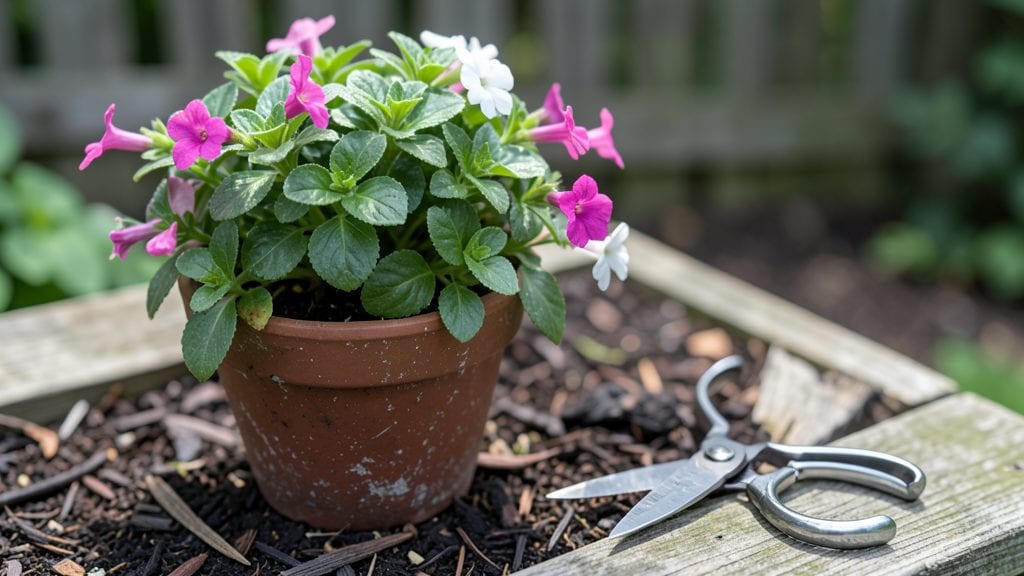
Pruning impatiens plants keeps them blooming like crazy all season—here’s how to do it without stressing the plant. ✨ I’ve learned that the right cuts at the right time mean nonstop flowers instead of leggy stems and sparse blooms.
The secret isn’t complicated: focus on two simple tricks that work whether you’re pinching back new growth or cleaning up spent blooms.
The first trick is deadheading—snipping off faded flowers right at the base. This isn’t just about looks; it tells the plant to redirect energy into fresh blooms instead of seed production. Grab a pair of clean, sharp scissors or pruners, and make your cuts just above a leaf node.
The second trick is thinning out crowded stems in early spring to improve airflow and prevent disease. Both methods take less than 10 minutes per plant and make a noticeable difference in just a few weeks.
What you’ll end up with is a bushier, fuller impatiens that flowers from spring until frost. The leaves stay vibrant, the stems stay sturdy, and you avoid the sad, overgrown look that kills the plant’s natural shape.
Even if you’ve never pruned before, these tricks are foolproof—just follow the simple rules, and your impatiens will reward you with blooms that never quit.
Works for both shade-loving New Guinea impatiens and classic busy Lizzie varieties, so no matter what type you grow, these methods keep them thriving. Let’s get those blooms going strong!
📚 In This Guide
- What you need
- Instructions
- Tips and common mistakes
- Wrapping up and next steps
What you need
- ● Pruning shears or sharp bypass pruners: Choose sterilized, sharp shears (like Felco or Fiskars) to avoid damaging stems. A small pair (4-6 inches) works best for delicate impatiens.
- ○ Garden gloves (optional but recommended): Lightweight, breathable gloves (e.g., Cruelty-Free or Miracle-Gro) protect hands from thorns or sap.
- ● Disinfectant (70% isopropyl alcohol or bleach solution): Clean tools before and after pruning to prevent disease spread.
- ● Compost or mulch: A small bag (5-10 gallons) to amend soil or cover cuttings.
- ● Plant food (balanced 10-10-10 or bloom booster): A 5-pound bag to fertilize post-pruning for a nutrient boost.
- ● Plant markers: Label pruned sections if propagating cuttings (e.g., plastic stakes with a pencil).
- ● Spray bottle with water: For hydrating cuttings if rooting them in water.
How to prune impatiens for continuous, vibrant blooms
Here's the straightforward approach I've used for years to keep impatiens flowering like crazy all season.
✂️ Step 1: Pinch Back New Growth Early
Start by locating the 4-6 newest sets of leaves on each stem—these are your growth points. Using clean, sharp pruners, snip just above the leaf node where new branches naturally form. This encourages the plant to branch out instead of growing taller and leggy.
I always do this when plants are about 4-6 inches tall and have developed their first true leaves. The key is timing: wait too long, and you'll be playing catch-up with sparse blooms. You'll see fresh, compact growth within 2-3 weeks—that's your signal it's working.
✂️ Step 2: Deadhead Regularly for Nonstop Flowers
As blooms fade, pinch or snip off the spent flowers right at their base using your fingers or pruners. I do this every 3-4 days during peak bloom season to prevent seed formation, which drains the plant's energy. The goal is to keep the plant focused on producing new flowers instead of setting seed.
Watch for buds forming at leaf nodes—these are your next blooms. If you see buds wilting before opening, they're telling you the plant needs more water or better light. A quick check of the soil (should feel moist but not soggy) and moving to a slightly sunnier spot usually revives them.
☀️ Step 3: Trim Back Overgrown Plants Mid-Season
When impatiens get leggy by mid-summer, it's time for a harder prune. Cut back the entire plant by one-third to one-half using clean pruners, making cuts just above a leaf node. This might seem drastic, but your plant will respond by sending out fresh, bushier growth in 3-4 weeks.
I always do this after a heatwave or when plants look tired. The new growth will be more compact and produce a second flush of blooms. Just be patient—it takes about 2 weeks for the plant to recover its full vigor. Water consistently during this recovery period to support new growth.
✂️ Step 4: Light Prune for Winter Hardiness
As temperatures drop below 50°F, shift to a lighter pruning approach. Simply trim back any dead or damaged stems to keep the plant looking tidy. Avoid heavy pruning now—the plant needs all its energy to prepare for dormancy. Focus on removing only the obvious dead growth.
You'll notice new growth slows dramatically in fall. This is normal—impatiens are tender perennials that go semi-dormant in cooler weather. Stop fertilizing at this point and reduce watering. The plant will reward you with fresh blooms again when spring warmth returns.
🌿 Step 5: Springtime Revival Pruning
When you see fresh green growth in spring, it's time for a final light pruning. Cut back any dead stems completely, then trim back all remaining stems by about one-third. This encourages a bushy, full shape right away. You'll see new blooms forming within 4-6 weeks if you've kept the plant healthy through winter.
Here's the thing—I've found that impatiens respond best when you prune with intention. Always make clean cuts at 45-degree angles just above a leaf node. This prevents disease and encourages new growth to emerge from strong points. A little regular maintenance keeps these plants looking their best all season long.
Tips & tricks for pruning impatiens plants
These simple tricks will help you keep your impatiens blooming beautifully all season long without the guesswork.
The Timing Factor: In Step 1, when you're pinching back those 4-6 newest sets of leaves, focus on plants that are 4-6 inches tall with true leaves—not just the first baby leaves. This timing is crucial because it's when the plant is establishing its growth pattern. If you wait too long, you'll end up with tall, leggy stems that never produce enough flowers. I've learned this the hard way—waiting until plants are too tall means you're always playing catch-up with sparse blooms.
Deadheading Discipline: Step 2's 3-4 day deadheading schedule might seem frequent, but it's what keeps your impatiens producing continuously. The key is consistency—those spent blooms are energy drains. I set a reminder on my phone for every 3-4 days during peak bloom season. When buds start wilting before opening (as mentioned in Step 2), check the soil moisture immediately. Impatiens are sensitive to both overwatering and underwatering—aim for that "moist but not soggy" feel when you stick your finger about an inch into the soil.
Mid-Season Revival: Don't be afraid of the more aggressive pruning in Step 3—cutting back by one-third to one-half might seem drastic, but your plants will thank you. I always do this after a heatwave because the stress from heat actually signals the plant to focus on recovery and new growth. The 3-4 week recovery time might seem long, but this is when your plant is building a stronger structure for that second flush of blooms. During this period, I increase watering slightly but keep it consistent—no soaking, no drying out.
Winter Prep Wisdom: When temperatures drop below 50°F (as mentioned in Step 4), shift to minimal pruning—just remove the dead or damaged stems. The goal here is to let the plant conserve energy for winter. I've made the mistake of over-pruning in fall, which left my plants struggling to bounce back in spring. Remember, impatiens are tender perennials—they need that dormancy period to recharge. Reduce fertilizing completely at this point, and you'll see fresh growth return more vigorously in spring.
Pro Tips for Pruning Impatiens Plants
- These simple tricks will help you keep your impatiens blooming beautifully all season long without the guesswork.
- The Timing Factor: In Step 1, when you're pinching back those 4-6 newest sets of leaves, focus on plants that are 4-6 inches tall with true leaves—not just the first baby leaves.
- Deadheading Discipline: Step 2's 3-4 day deadheading schedule might seem frequent, but it's what keeps your impatiens producing continuously.
Frequently asked questions
about pruning impatiens—because even pros need a little help sometimes!When is the best time to prune impatiens for maximum blooms?
Prune impatiens throughout the growing season—especially after the first flush of flowers (late spring/early summer) and again in early fall. Light trims every 4–6 weeks keep them bushy and blooming. Avoid heavy pruning in winter unless you’re in a frost-free zone!
How much should I cut back impatiens in early spring?
Give them a light haircut—about 1/3 of their height—to encourage fresh growth. If they look leggy, trim back to just above a set of healthy leaves. Deadhead spent blooms too! Over-pruning can stress tender impatiens, so go easy.
Can I prune impatiens in hot or humid weather?
Yes, but timing matters! Prune in the early morning or late afternoon to avoid stressing plants in peak heat. Humidity isn’t an issue—just ensure good airflow afterward to prevent fungal diseases. Water at the base (not overhead) to help recovery.
What if my impatiens stop blooming after pruning?
Don’t panic! Impatiens may take 2–4 weeks to bounce back. If blooms still lag, check for:
- Light: They need partial shade (6+ hours of filtered sun).
- Food: Feed with a balanced fertilizer (10-10-10) every 4–6 weeks.
- Water: Keep soil consistently moist but not soggy.
Are there alternatives to pruning for bushier impatiens?
If pruning feels like too much work, try these low-maintenance tricks:
- Pinch back young stems when they’re 6–8 inches tall to encourage branching.
- Deadhead regularly—snip off just the spent blooms (not the stem) to redirect energy to new flowers.
- Rotate pots (if container-grown) to ensure even growth and prevent legginess.
Wrapping up and next steps
Pruning your impatiens plants doesn’t have to be intimidating—it’s all about timing, technique, and a little patience! 🌸 With just two simple tricks, you can enjoy vibrant blooms year-round while keeping your plants healthy and thriving.
Whether you’re trimming leggy stems or pinching back new growth, every snip brings you closer to a lush, flourishing display.
Now that you’re armed with the know-how, grab those shears and get pruning! 🌱 Check your impatiens weekly for signs of overgrowth or spent blooms—consistency is key. And if you’re feeling inspired, why not share your pruning progress with fellow gardeners? Happy gardening!