
Pruning
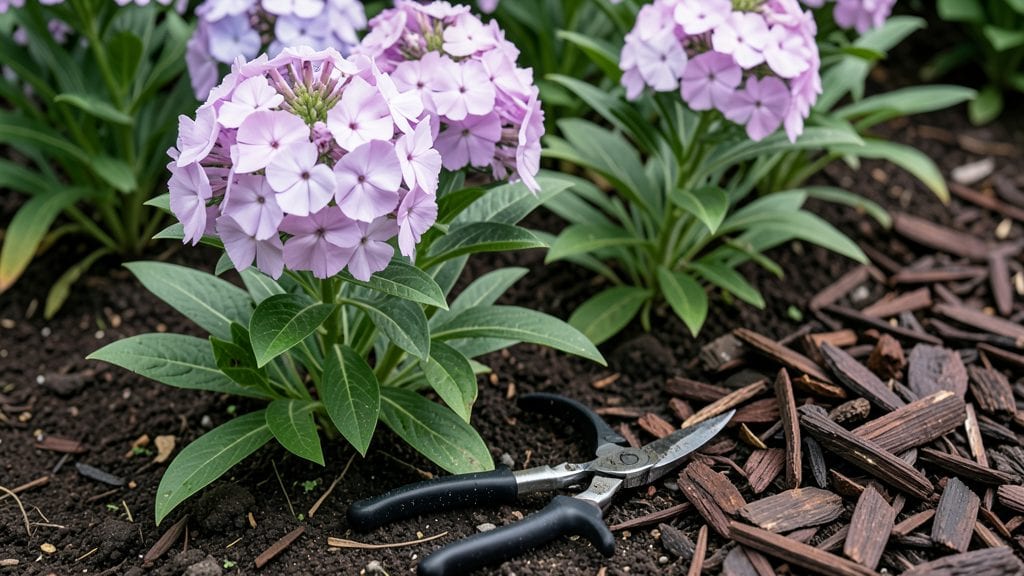
Pruning phlox plants keeps them blooming like clockwork all season long. I learned the hard way that skipping this step means fewer flowers and leggy stems—until I discovered the three-season trim that transformed my garden borders.
The first cut in early spring clears out dead growth, while summer and fall pruning encourage bushier stems and more vibrant blooms.
You’ll need sharp bypass pruners and a sunny day for clean cuts. Most people over-prune in spring, but phlox is tough—just cut back by one-third each time. The key is timing: prune right after each flush of blooms to keep energy flowing to new growth.
I’ve seen phlox that looked ragged in spring become lush, flower-covered bushes by summer with this method.
After pruning, your plants will reward you with denser foliage and longer bloom seasons. The flowers stay vibrant longer, and the stems thicken over time.
It’s the secret to phlox that doesn’t just survive summer but thrives. Ready to see your borders explode with color? Let’s get those shears out.
This works for both garden phlox and creeping phlox, whether you’re dealing with a small border or a full garden bed. The same principles apply—just adjust the height based on your variety. Here’s how to do it right without stressing the plants.
📚 In This Guide
- What you need
- Instructions
- Tips and common mistakes
- Wrapping up and next steps
What you need
- ● Pruning shears or bypass pruners – Choose sharp, clean tools (avoid dull blades to prevent tearing stems). A 5- to 7-inch pair works best for most phlox varieties.
- ● Garden gloves – Opt for cut-resistant or gardening gloves to protect your hands from thorns (especially on woodland phlox) and debris.
- ● Disinfectant (70% isopropyl alcohol or bleach solution) – 1 part bleach to 9 parts water to sterilize tools between cuts and prevent disease spread.
- ● Garden twine or plant ties – 10-15 feet (if you’re staking tall phlox varieties like garden phlox for support).
- ● Compost or mulch – 2-3 inches of organic matter (like shredded leaves or straw) to replenish soil after pruning.
- ● Watering can or hose with a gentle nozzle – For post-pruning hydration.
- ● Loppers (for thick stems) – If your phlox has woody stems over ½-inch thick, loppers make the job easier.
- ● Hand pruners with a bypass blade – For precision cuts on delicate stems.
- ● Garden kneeler or stool – To avoid strain if your phlox is ground-hugging or sprawling.
- ● Plant markers or labels – To track when and how you pruned each variety (helpful for repeat bloomers!).
- ● Fertilizer (balanced 10-10-10 or slow-release) – A handful per plant after pruning to encourage new growth.
Instructions for pruning phlox plants to extend their blooming season
Here’s how I keep my phlox flowering nonstop—just three seasonal cuts, each timed to boost health and color.
First Trim After the First Blooming Cycle
Once your phlox finishes its first flush of blooms in late spring or early summer, cut back the stems by about one-third of their height. Use clean, sharp pruners to make cuts just above a set of leaves or buds. This encourages fresh growth and prevents the plant from putting energy into seed production, which would shorten its blooming season.
I always wait until after the last flower on the stem wilts—this ensures the plant has fully enjoyed its first bloom. If you cut too early, you might remove buds that haven’t opened yet. After trimming, water the base of the plant to help it recover and stimulate new growth.
Mid-Season Maintenance to Keep Phlox Bushy
About 6-8 weeks after the first trim, your phlox should be showing signs of leggy or overcrowded stems. This is the time for a lighter pruning—remove any stems that are woody, dead, or crossing others. Cut these back to the base or to a healthy side shoot, depending on the plant’s shape.
This step keeps air circulating and prevents disease. I also pinch back any new flower buds that form too early in the season—this might seem counterintuitive, but it helps the plant focus its energy on stronger, later blooms. After pruning, give the plant a light feeding with a balanced fertilizer to support the new growth.
Late-Season Cleanup for Winter Prep
In late summer or early fall, after your phlox has had its final bloom of the year, cut back the stems again—but this time, reduce them by half their height. This helps the plant store energy in its roots for next year’s growth and prevents it from becoming a tangled mess over winter.
Remove any dead or diseased foliage completely, and rake up fallen leaves to reduce the risk of fungal issues. I leave the stems about 2-3 inches tall to protect the crown from cold snaps. Mulch around the base with 2-3 inches of organic mulch to insulate the roots during winter.
Springtime Pruning to Encourage New Growth
Just before new growth appears in early spring, give your phlox one last trim. Cut back any remaining dead stems to the base, but leave the live stems alone—they’ll start pushing out fresh shoots soon. This final pruning keeps the plant tidy and ensures it has plenty of energy for another vibrant season.
Watch for the first signs of new green growth emerging from the base. Once you see this, hold off on any more pruning—your phlox is ready to burst into bloom again. Water lightly at the base to encourage the roots to wake up and support the upcoming flowering season.
Tips & tricks for pruning phlox plants
A few simple tricks will help you keep your phlox thriving and blooming beautifully all season long.
Timing is Everything: The key to successful pruning is patience—don't rush the process. In Step 1, wait until you see the very last flower on each stem wilt before cutting. This ensures you're not removing any hidden buds that could produce more blooms. I've learned the hard way that cutting too early can mean sacrificing potential flowers, so mark your calendar for late spring or early summer when your phlox finishes its first flush.
Tool Matters: Using clean, sharp pruners makes all the difference in maintaining plant health. Dull blades can crush stems and create jagged cuts that invite disease. I always sterilize my pruners with rubbing alcohol between plants to prevent spreading any potential pathogens. For the mid-season maintenance in Step 2, having a small pair of pruners on hand lets you easily remove just the problematic stems without disturbing the rest of the plant.
Seasonal Strategy: The late-season cleanup in Step 3 is where you prepare your phlox for winter. When cutting back to half the height, focus on creating an open, airy shape that allows sunlight to reach the center of the plant. This not only protects the crown from cold but also helps prevent fungal issues that can develop in dense foliage. I find that leaving those 2-3 inches of stem provides just enough protection while still allowing the roots to breathe.
Fertilizer Timing: After the mid-season pruning in Step 2, give your phlox a light feeding with a balanced fertilizer to support new growth. I use a 10-10-10 formula because it provides equal parts nitrogen, phosphorus, and potassium. The nitrogen helps with leafy growth, phosphorus encourages root development, and potassium strengthens the plant's overall health. Apply it after pruning when the plant is actively growing and can put the nutrients to good use.
Pro Tips for Pruning Phlox Plants
- A few simple tricks will help you keep your phlox thriving and blooming beautifully all season long.
- Timing is Everything: The key to successful pruning is patience—don't rush the process.
- Tool Matters: Using clean, sharp pruners makes all the difference in maintaining plant health.
Frequently asked questions
about pruning phlox can help you avoid common mistakes and keep your plants thriving. Here are answers to the most common queries:When is the best time to prune phlox?
Phlox benefits from three seasonal trims: early spring (just before new growth), mid-summer (after first blooms fade), and late fall (after frost). Early spring clears dead foliage, mid-summer encourages reblooming, and fall prep prevents winter disease. Never prune in extreme heat or cold!
How much should I cut back phlox?
For spring/fall cuts, trim back by one-third of the plant’s height. In mid-summer, snip just above the first set of healthy leaves (about 2-3 inches from the base). Avoid over-pruning—phlox stores energy in its roots, and drastic cuts can weaken the plant. Think "less is more!"
What if my phlox isn’t blooming after pruning?
Lack of blooms often means over-pruning or poor timing. Double-check your cuts: leave at least 6–8 inches of stems for reblooming varieties. Also, ensure your phlox gets 6+ hours of sun and well-draining soil. If blooms still refuse to appear, fertilize lightly in spring with a balanced 10-10-10 formula.
Can I prune phlox in containers differently?
Container phlox follows the same rules, but watch for root-bound stress. Prune lightly in spring, and repot every 2–3 years to refresh nutrients. Deadhead spent blooms weekly to extend flowering. Since containers dry out faster, water deeply after pruning to reduce shock. Pro tip: Add mulch to retain moisture!
Should I worry about pests after pruning?
Pruning opens wounds, attracting aphids or spider mites. Inspect leaves post-prune and remove debris promptly. Spray with neem oil or insecticidal soap if pests appear. Prevention tip: Prune on dry, overcast days to minimize stress and pest attraction.
What if my phlox dies back completely in winter?
Hardy phlox varieties (like Phlox paniculata) may look dead in winter but regrow from the roots. Avoid pruning until early spring—cutting back too soon can remove next year’s buds. If your plant doesn’t regrow by late spring, it may need replanting or soil amendments (like compost) to revive.
Wrapping up and next steps
Pruning phlox isn’t just about tidying up—it’s your secret to vibrant, long-lasting blooms that keep your garden popping year after year! 🌸 With just three seasonal trims, you’ll encourage healthier growth, prevent disease, and enjoy a showstopper display from spring to fall.
Whether you’re a green thumb or just starting out, these simple steps make it easy to master the art of phlox care.
Now that you’re armed with the know-how, grab those shears and give your phlox the TLC they deserve. Watch your garden transform—and don’t forget to share your progress with fellow plant lovers! 🌿✨
Next step: Mark your calendar for your first trim—spring is the perfect time to start!