
Planting
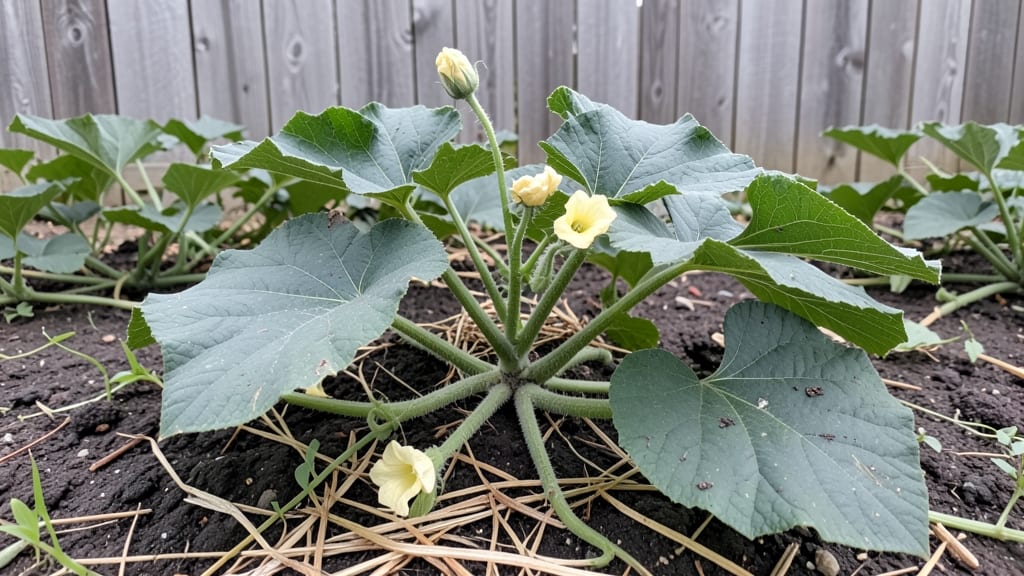
The pumpkin plant beginning is where the real magic happens—those first pale green leaves breaking through the soil are pure magic. 🌱 I spent years struggling with slow starts and weak seedlings until I learned... the exact timing and conditions that turn seeds into strong vines.
The key isn’t fancy equipment; it’s matching your variety to your growing season and giving those seeds the perfect head start.
You’ll need a sunny spot with at least 6-8 hours of light daily, well-draining soil mixed with compost, and a warm patch of ground or a seed-starting tray. Most varieties sprout in 5-10 days if kept moist and warm—just don’t overwater, or you’ll drown them before they even begin.
The first real leaves (not the tiny seed leaves) signal it’s time to thin seedlings if you planted multiple seeds together.
By the time those vines hit 3 feet long, you’ll know you’re on the right track—thick stems, healthy leaves, and roots spreading like crazy.
Early challenges like mold or weak sprouts fade fast once you get the rhythm right, and soon you’ll be watching those first tendrils reach for the sky. The best part? Those tiny seeds you started with will soon hold 5-10 pound pumpkins if you keep them happy.
This works for both small patio varieties and giant field pumpkins—just adjust spacing and sunlight. Let’s get those seeds planted and growing strong from day one.
📚 In This Guide
- What you need
- Instructions
- Tips and common mistakes
- Wrapping up and next steps
What you need
- ● Pumpkin Seeds: Choose heirloom or hybrid seeds (e.g., Howden, Jack Be Little, or Sugar Pie). Buy 3–5 seeds per plant—pumpkins are prolific!
- ● Growing Space: Outdoor: Full sun (6–8+ hours/day) and spacious plot (50+ sq. ft. per plant) for vines to sprawl.
- ● Container: Large pot (15+ gallons) with drainage holes and 10+ sq. ft. of space.
- ● Soil: Well-draining, rich in compost (pH 6.0–7.0). Mix in aged manure or organic fertilizer (e.g., 5-10-10) at planting time.
- ● Watering Supplies: Hose with gentle spray nozzle or drip irrigation system to keep soil moist (not soggy!).
- ● Garden Trowel or Transplant Spade for digging.
- ○ Gloves (optional but handy for messy soil or prickly vines!).
- ● Mulch (straw or shredded leaves) to retain moisture and suppress weeds.
- ○ Trellis or Cage (optional for smaller varieties like Jack Be Little to save space).
- ● Pruning Shears (for trimming excess vines later in the season).
- ● Test your soil 2 weeks before planting—amend if needed with lime (to raise pH) or sulfur (to lower it).
- ● If planting in cool climates, start seeds indoors 2–3 weeks before last frost (use seed trays).
- ● Save seed packets in a cool, dry place for next year!
Step-by-step instructions for growing pumpkin plants from seed
Here’s how to get your pumpkin vines off to a strong start with minimal fuss.
🌱 Step 1: Choose the Right Time and Prepare the Soil
Pumpkins thrive in warm soil, so wait until the ground temperature reaches at least 70°F—use a soil thermometer to check. Clear the planting area of weeds and loosen the top 6 inches of soil with a garden fork. Mix in 3 inches of compost or well-rotted manure to enrich the soil without compacting it.
Pumpkins need space, so mark out rows 5-6 feet apart if planting multiple hills. If growing in containers, use 5-gallon pots for each plant and fill them with a mix of potting soil and compost (half and half). The key here is drainage—pumpkins hate soggy roots, so ensure containers have drainage holes.
🌱 Step 2: Plant Seeds at the Correct Depth and Spacing
Plant 3-4 seeds per hill (or per pot) about 1 inch deep and 6 inches apart in a small circle. Pumpkin seeds are large, so handle them gently—burying them too deep slows germination. Cover lightly with soil and water gently to settle it around the seeds without displacing them.
Here’s the thing—I’ve found that planting extra seeds ensures at least one strong sprout, since pumpkin seeds sometimes fail to germinate. Once seedlings emerge, thin to the strongest 2 plants per hill (or 1 per pot) when they’re 4-5 inches tall. Use scissors to avoid disturbing roots when removing extras.
☀️ Step 3: Provide Warmth, Light, and Consistent Water
Pumpkins need full sun—at least 8 hours daily—so choose a spot with no shade. If your climate is still cool at night, use black plastic mulch to warm the soil and speed up growth. Water the seeds deeply once a week, aiming for 1 inch of water per week, but adjust if rain falls. Keep soil moist but not soggy—pumpkin seedlings wilt quickly if they dry out.
You’ll see first true leaves (not the initial seed leaves) in about 5-7 days. Once they appear, reduce watering slightly but keep the soil consistently moist. Leggy seedlings mean your plants aren’t getting enough light—move them closer to a sunny window or install a grow light if indoors.
🌿 Step 4: Support Early Growth and Monitor for Pests
When seedlings reach 6 inches tall, add a trellis or sturdy cage if growing bush varieties, or leave them sprawling for vining types. Pumpkins grow fast, so fertilize lightly with a balanced 10-10-10 fertilizer when vines start to spread. Too much nitrogen early on leads to leafy growth instead of fruit.
Watch for squash vine borers—tiny holes in leaves or wilting vines mean these pests are at work. Handpick them early in the morning or use row covers to protect young plants. Mulch heavily around the base to retain moisture and prevent soil-borne diseases like powdery mildew.
Tips & tricks for perfect pumpkin plant beginnings
Starting pumpkins from seed doesn't have to be complicated—these simple tricks will help you avoid common pitfalls and give your plants the best possible start.
Soil Temperature Secret: The 70°F soil temperature isn't just a suggestion—it's crucial for germination. I've seen seeds fail to sprout when planted too early, even if the air feels warm. Stick a soil thermometer in the ground at the planting depth (about 1 inch) to confirm. If it's below 70°F, wait a few more days. Trust me, the extra patience pays off with stronger seedlings.
Spreading the Wealth: Planting 3-4 seeds per hill might seem like overkill, but pumpkin seeds sometimes don't germinate—it's not uncommon for 1-2 seeds to fail. When thinning to your strongest 2 plants, do it carefully when they're 4-5 inches tall. Use clean scissors to snip at the base rather than pulling, which can damage the roots of your remaining plants. This gives you insurance against seed failure while ensuring your strongest plants get all the nutrients.
Sunlight Strategy: Those 8 hours of full sun are non-negotiable, but here's what I've learned: if you're in a shady spot, supplement with a grow light for at least 6 hours daily. I've had pumpkin seedlings stretch painfully toward windows, becoming weak and leggy. The moment you see this happening, act fast—move plants to a sunnier spot or add artificial light immediately. Leggy seedlings rarely recover their strength.
Watering Wisdom: The 1 inch of water per week guideline is perfect, but timing matters just as much. Water deeply in the morning so the soil has time to dry slightly during the day—this prevents fungal diseases. I've also found that using a soaker hose or drip irrigation keeps water at the roots where it's needed, rather than wetting the leaves (which can promote powdery mildew). Consistency is key: pumpkin seedlings hate moisture swings.
Pro Tips for Pumpkin Plant Beginning
- Starting pumpkins from seed doesn't have to be complicated—these simple tricks will help you avoid common pitfalls and give your plants the best possible start.
- Soil Temperature Secret: The 70°F soil temperature isn't just a suggestion—it's crucial for germination.
- Spreading the Wealth: Planting 3-4 seeds per hill might seem like overkill, but pumpkin seeds sometimes don't germinate—it's not uncommon for 1-2 seeds to fail.
Frequently asked questions
Got questions about starting your pumpkin plant journey? You’re not alone! Here are some of the most common queries—and their straightforward answers—to help you grow confidently from seed to vine.
How long does it take for pumpkin seeds to germinate?
Pumpkin seeds typically sprout within 7–14 days after planting, depending on soil temperature and moisture. Keep the soil consistently warm (70–90°F) and damp to speed up germination. If you don’t see sprouts in 2 weeks, gently check for seeds—some may have rotted or been planted too deep.
When is the best time to plant pumpkin seeds outdoors?
Wait until after the last frost and soil temps reach at least 60°F (15°C). In most regions, this means planting in late spring to early summer (May–June). Pumpkins thrive in warm weather, so rushing can stunt growth. Use row covers if nighttime temps dip below 50°F (10°C) for extra protection.
Can I grow pumpkins in containers, or do they need a garden bed?
Yes! Pumpkins adapt well to containers if you choose smaller varieties (like ‘Jack Be Little’ or ‘Baby Boo’) and use a 5-gallon pot or larger. Ensure the container has drainage holes and provide 12+ hours of sunlight daily. Just avoid giant varieties—they’ll outgrow even the biggest pots!
What should I do if my pumpkin seedlings look wilted or yellow?
Wilted or yellowing seedlings often signal overwatering, underwatering, or pests. Check the soil—it should feel moist but not soggy. If aphids or squash bugs are present, spray with neem oil or introduce beneficial insects like ladybugs. For fungal issues, improve airflow and avoid wetting leaves when watering.
Do pumpkin plants need full sun, or can they tolerate partial shade?
Pumpkins are sun-worshippers! They need 6–8+ hours of direct sunlight daily for healthy vines and fruit. While they can survive with 4–6 hours in partial shade, growth will slow, and yields may shrink. If your garden is shady, opt for smaller varieties or supplement with grow lights for indoor starts.
Wrapping up and next steps
Starting your pumpkin plant journey from seed is a rewarding adventure that connects you to nature’s bounty! With the right soil, sunlight, and care, you’ll soon be harvesting vibrant, homegrown pumpkins. Remember: patience and consistency are key—your green thumb is growing stronger with every step!
Ready to dive deeper? Next, explore our guide on transplanting seedlings or join gardening forums to share your progress with fellow plant enthusiasts. 🌱 Happy growing!