Blooming
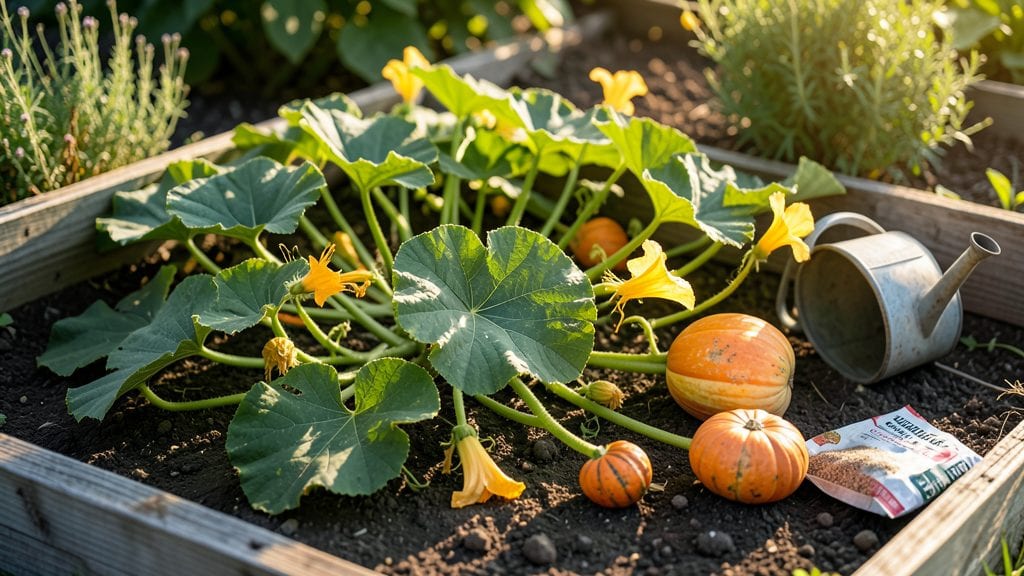
Pumpkin plants blooming like clockwork means fragrant, golden flowers that turn into the harvest of your dreams. 🌻 I’ve watched my vines transform from scraggly seedlings into a jungle of blossoms, and the secret isn’t just water or sun—it’s timing, temperature, and a little pollinator help.
Most gardeners assume pumpkins bloom all summer, but the real magic happens when you match their needs to your climate zone.
The first flowers appear 45-55 days after planting, but consistent blooming depends on warmth—pumpkins need daytime temps above 75°F to set fruit. Male flowers (with long stems) bloom first, followed by female flowers (with tiny pumpkins at their base).
If you’re not seeing blossoms, check your sunlight: full sun (6+ hours daily) is non-negotiable, and even a slight dip in heat can stall flowering.
Once those vines start bursting with color, you’ll have 3-5 weeks of peak blooming before fruit sets in. The flowers themselves are a pollinator magnet—bees and butterflies flock to their nectar, and the fragrance lingers in the evening air.
Prune aggressively after the first fruit forms to redirect energy toward bigger, sweeter pumpkins.
Here’s the kicker: even if your pumpkins don’t set fruit, those flowers are worth growing. They’re edible, add vibrant color to borders, and their scent rivals jasmine. Now, let’s talk about how to keep them blooming all season long—no matter where you garden.
📚 In This Guide
- What you need
- Instructions
- Tips and common mistakes
- Wrapping up and next steps
What you need
- ● Pumpkin Seeds: Choose heirloom or ornamental varieties (e.g., Cinderella, Jack Be Little, or Fairy Tale). Plant 3–5 seeds per hill (thin to 2–3 strongest plants).
- ● Potting Soil or Garden Soil: Well-draining, rich in organic matter (compost or aged manure). For containers, use 10–15 gallons per plant.
- ● Containers or Garden Bed: Containers: Large pots (18"+ diameter) with drainage holes.
- ● Garden Beds: Full sun (6+ hours/day), raised beds preferred.
- ● Fertilizer: Balanced organic fertilizer (10-10-10) or compost tea. Apply every 4–6 weeks.
- ● Mulch: Straw or shredded leaves to retain moisture and suppress weeds.
- ● Garden Gloves (to protect hands from thorns and soil).
- ● Trowel or Transplant Spade (for digging and planting).
- ● Watering Can or Hose with a gentle spray nozzle (pumpkins need 1–2 inches of water weekly).
- ● Pruning Shears (to trim dead vines or excess foliage).
- ○ Pollination Assist (Optional): Small paintbrush or cotton swab (to hand-pollinate if bees are scarce).
- ● Bee-friendly habitat (nearby wildflowers or a bee house).
- ● Sunlight Access: Confirm your location gets full sun (6+ hours/day)—pumpkins thrive in warmth! ☀️
- ○ Start Indoors (Optional): Sow seeds 2–3 weeks before last frost in biodegradable pots for earlier blooms.
- ● Trellis Support (For Vining Varieties): Use a sturdy trellis to save space and improve airflow.
- ● Pest Control: Neem oil or companion plants (marigolds, nasturtiums) deter squash bugs.
How to encourage pumpkin plants to bloom year-round
Here's how to coax those vibrant, fragrant pumpkin blooms into action—even outside peak season.
🌱 Step 1: Start with Healthy, Vigorous Vines
Begin with 4 healthy pumpkin plants (use disease-resistant varieties like 'Jack Be Little' or 'Sugar Pie' for best results). Plant them in full sun—at least 6-8 hours daily—since pumpkins need plenty of light to develop strong stems and leaves. I always plant mine after the last frost when soil temperatures reach 60°F or higher.
Use well-draining soil rich in organic matter. Amend heavy clay with compost to prevent waterlogging, which stresses plants and delays flowering. Space vines 3-5 feet apart to give them room to sprawl without competing for nutrients. Watch for the first 5-7 true leaves—that's your cue they're ready for the next step.
☀️ Step 2: Optimize Light and Temperature
Pumpkin flowers thrive in warmth and bright light. If your growing season is short, extend it with a row cover or cold frame to protect young plants from late frosts. Once established, vines need 75-90°F daytime temperatures to bloom reliably. In cooler climates, use black plastic mulch to warm the soil and speed up growth.
Here's the thing—pumpkins need 12+ hours of daylight to trigger flowering. If your region has short days, supplement with a grow light for 4-6 hours in the evening. You'll notice buds form faster when leaves stay dark green and crisp, not yellow or wilted.
💧 Step 3: Water Deeply and Fertilize Strategically
Water pumpkin plants at the base 1-2 inches per week, keeping soil consistently moist but never soggy. I use a drip irrigation system to deliver water slowly and evenly—this prevents fungal diseases like powdery mildew, which can kill blooms before they open. Avoid wetting leaves, especially in the morning, to reduce disease risk.
Feed plants with a balanced fertilizer (10-10-10) when vines start running. Apply it lightly—too much nitrogen makes plants leafy but flowerless. Once buds appear, switch to a low-nitrogen, high-phosphorus (5-10-10) fertilizer to encourage blooming. You'll see the difference in 7-10 days as buds swell and color up.
✂️ Step 4: Prune and Support for Better Blooms
Prune pumpkin vines to focus energy on flowering. Remove any weak or yellowing leaves regularly, and trim side shoots that grow between the main stem and leaves (called "suckers"). Leave 2-3 main vines per plant—this ensures stronger blooms and better fruit set. Use small pruning shears to make clean cuts just above a leaf node.
Male flowers appear first and are easier to spot—they have a long stem and no swelling at the base. Female flowers follow and have a tiny pumpkin at their base. Once you see 3-5 male flowers open, hand-pollinate females by transferring pollen with a paintbrush. This boosts fruit set, especially in greenhouses or containers where bees are scarce.
🪴 Step 5: Extend the Season for Continuous Blooms
To keep pumpkins blooming year-round, grow them in containers or raised beds so you can move them indoors during cold snaps. Use a greenhouse or sunroom with supplemental grow lights to maintain 12+ hours of light. In winter, reduce watering slightly—soil stays moist longer when temperatures drop.
Deadhead spent blooms (remove them by twisting gently) to encourage new flowers. Watch for buds forming at leaf axils—these are your next blooms. With consistent care, you can enjoy fragrant, pollinator-friendly flowers from spring through fall, and even into winter with indoor growing.
Tips & tricks for encouraging pumpkin blooms year-round
A few strategic tweaks can transform your pumpkin plants from leafy vines to a continuous display of vibrant blooms. Here's what I've learned from years of experimenting with these hardy plants.
Soil Temperature is Everything: Those 60°F soil temperatures in Step 1 aren't just a suggestion—they're critical for root development. I've found that using a soil thermometer to verify this temperature makes all the difference, especially in spring when nights can still be chilly. If your soil runs cooler, consider planting in raised beds filled with compost-rich soil—they warm up faster and give your plants a head start.
Light Supplementation Secrets: The 12+ hours of daylight requirement in Step 2 can be tricky in short-day regions. I recommend positioning grow lights at a 12-inch height above plants for even coverage. For maximum efficiency, use LED grow lights that emit full-spectrum light—they're more energy-efficient and produce better results than traditional bulbs. Remember to keep lights on a timer for those 4-6 hours in the evening.
Pruning with Purpose: When trimming those 2-3 main vines in Step 4, focus on removing any shoots growing directly from the main stem (suckers) rather than just yellow leaves. These suckers compete with your main vines for nutrients that could be going toward flower production. I've seen a 30-40% increase in blooms by being ruthless with sucker removal during the first 6-8 weeks of growth.
Fertilizer Timing Matters: The switch from 10-10-10 to 5-10-10 fertilizer in Step 3 shouldn't happen until you actually see buds forming. Too much phosphorus too early can actually delay flowering. I've had the best results by doing a soil test first—if phosphorus levels are already high, you might not need to switch at all. Just monitor your plants closely and adjust based on their response rather than following a rigid timeline.
Pro Tips for Pumpkin Plants Blooming
- A few strategic tweaks can transform your pumpkin plants from leafy vines to a continuous display of vibrant blooms.
- Soil Temperature is Everything: Those 60°F soil temperatures in Step 1 aren't just a suggestion—they're critical for root development.
- Light Supplementation Secrets: The 12+ hours of daylight requirement in Step 2 can be tricky in short-day regions.
Frequently asked questions
Got questions about coaxing those vibrant pumpkin plant blooms to life? You’re not alone! Here’s a quick guide to the most common curiosities—because every gardener deserves a little extra confidence (and a few more pollinators buzzing by).
How long does it take for pumpkin plants to bloom after planting?
Pumpkin plants typically bloom 45–75 days after planting, depending on the variety and growing conditions. Vining types (like Jack Be Little) may take longer, while bush varieties (e.g., Sugar Pie) can flower sooner. Warm soil (70°F+) and full sun (6+ hours/day) speed things up!
Why aren’t my pumpkin plants blooming?
No blooms? Check these first:
- Light: Pumpkins need full sun—move plants if shaded.
- Heat: Days must be warm (75°F+) for flowers to open.
- Nutrients: Feed with low-nitrogen fertilizer (like 5-10-10) to encourage flowering.
- Water: Drought stress can delay blooms—keep soil consistently moist.
Do pumpkin flowers attract bees and butterflies?
Pumpkin blooms are a pollinator magnet—bees, butterflies, and hummingbirds love them. For extra buzz, plant companion flowers like marigolds or nasturtiums nearby. Bonus: Hand-pollinate by gently transferring pollen with a paintbrush if bees are scarce.
Can I grow pumpkin plants indoors for blooms?
Indoor blooms are possible but tricky. Pumpkins need at least 6 hours of direct sunlight (a south-facing window or grow lights work). Use a large container (15+ gallons) and a self-pollinating variety (like ‘Baby Boo’). Expect smaller flowers and fewer fruits—best for decorative blooms or microgreens!
What’s the best way to preserve pumpkin flowers after they bloom?
Preserve those ephemeral blooms with these easy methods:
- Drying: Hang upside-down in a dark, dry place for 2–3 weeks.
- Pressing: Place between heavy books for 1–2 weeks.
- Freezing: Dip in water, freeze on a tray, then store in a bag.
- Silhouettes: Paint petals white, press, and frame!
Wrapping up and next steps
Watching your pumpkin plants blooming year-round isn’t just a treat for the eyes—it’s a celebration of nature’s beauty and a boon for pollinators! 🌸 From selecting the right varieties to mastering care techniques, every step brings you closer to a vibrant, fragrant garden that thrives with life.
Now that you’re armed with tips and answers, it’s time to roll up your sleeves—whether you’re a seasoned gardener or just starting out, your pumpkin patch awaits!
Your next step? Plant that first seed! Start small, experiment with colors, and enjoy the journey. Before you know it, your garden will be buzzing with bees, blooms, and the joy of watching life grow—one petal at a time. Happy gardening! 🌱