
Companion Plants
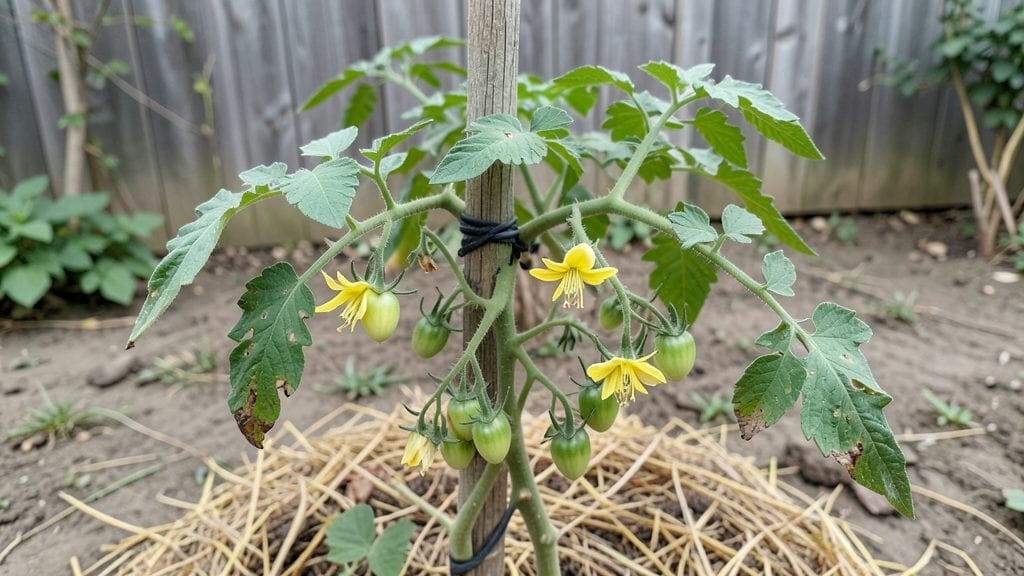
Raising tomato plants turns a small backyard corner into a sun-drenched harvest factory. 🌱 I’ve grown tomatoes for over a decade, and the difference between a scraggly vine and a bursting-with-fruit plant comes down to three things: soil that drains like a dream, sunlight that never quits, and a little elbow grease at the right moments.
The secret isn’t complicated—it’s consistent. You’ll need a 5-gallon container or raised bed for each plant, a mix of compost and well-draining soil, and stakes or cages taller than your arm.
Watering gets tricky too: too much and the roots drown, too little and the fruit splits. But once you hit that sweet spot, you’re looking at pounds of tomatoes by mid-summer.
By late July, your vines will be heavy with fruit—some sweet, some tart, all ripe for the picking. The best part? Pruning just a few suckers early on means bigger, juicier tomatoes later.
And if you save a few seeds, you can keep this cycle going year after year. Here’s how to make it happen without the guesswork.
Works for patio planters, greenhouse setups, or full sun garden beds. Whether you’re a first-timer or a seasoned grower, these tricks cut down on wasted effort and wasted plants. Let’s get those seeds started—or those seedlings in the ground.
📚 In This Guide
- What you need
- Instructions
- Tips and common mistakes
- Wrapping up and next steps
What you need
- ● Tomato seeds or seedlings: Choose heirloom or hybrid varieties (like Cherry Tomatoes, Beefsteak, or Roma) based on your climate and growing goals. Quantity: 3–6 plants per person (or 1–2 per container).
- ● Growing containers or garden bed: For containers: 5-gallon pots or larger (tomatoes need space!). Quantity: 1 per plant.
- ● For ground planting: Well-draining soil in a sunny spot (6+ hours of sunlight daily).
- ● High-quality potting mix or garden soil: Rich in organic matter (avoid garden soil with pests/diseases). Quantity: 1–2 bags (18–24 qt each).
- ● Fertilizer: Balanced (10-10-10) or tomato-specific fertilizer (high in phosphorus for root growth). Quantity: 1–2 lbs.
- ● Stakes or cages: 6–8 ft tall (for indeterminate varieties) or 4–5 ft (for determinate). Quantity: 1 per plant.
- ● Watering can or hose with nozzle: For gentle, deep watering (avoid wetting leaves).
- ● Mulch: Straw or shredded leaves (to retain moisture and suppress weeds). Quantity: 2–3 inches per plant.
- ● Companion plants: Basil, marigolds, or onions (to deter pests and boost growth).
- ● Pruning shears: For trimming suckers and shaping vines.
- ● pH test kit: To check soil acidity (ideal: 6.0–6.8).
- ● Shade cloth: For seedlings (if starting indoors or in hot climates).
- ● Drip irrigation system: For automated, consistent watering.
Step-by-Step instructions for raising tomato plants
Here’s how I grow healthy, productive tomato vines that keep giving all season long.
🌱 Step 1: Start Seeds Indoors at the Right Time
Plant seeds 6-8 weeks before your last frost date in small containers filled with seed-starting mix. I like to use 2-3 inch deep pots because they’re just the right size for tomato seedlings to grow strong roots without getting root-bound. Keep the soil consistently moist but not soggy—you’ll know it’s right when the top inch feels slightly damp to the touch.
Place the pots in a warm spot, ideally between 70-80°F. A seedling heat mat helps speed up germination, and you’ll see sprouts in about 7-14 days. Once they emerge, move them to a sunny windowsill or under grow lights for 14-16 hours of light daily. Without enough light, seedlings stretch too tall and become weak.
☀️ Step 2: Harden Off Seedlings Before Transplanting
About 2 weeks before your last frost, start hardening off your seedlings by placing them outside in a sheltered spot for 1-2 hours the first day. Gradually increase their outdoor time over 7-10 days, letting them adjust to wind and sun. This step is critical—skipping it stresses plants and can stunt growth.
Watch for signs of stress like wilting or yellowing leaves. If you see this, bring them back inside for another day or two before trying again. Once they’re handling full sun without issues, they’re ready for the garden. Transplant on a cloudy day to reduce shock, and water deeply right after to help roots settle in.
🪴 Step 3: Plant in Well-Draining Soil and Support Structures
Choose a sunny spot with at least 6-8 hours of direct sun daily. Tomatoes love warmth, so avoid areas where evening breezes might cool the soil too quickly. Dig a hole twice as wide as the root ball but no deeper—planting too deep can cause rot. Mix in a handful of compost or balanced fertilizer to give them a nutrient boost.
Install a sturdy cage, stake, or trellis right away. Tomatoes grow heavy, and vines can snap under their own weight if unsupported. I like to tie the main stem loosely to the support with soft plant ties, giving it room to grow. Water the base thoroughly after planting to encourage roots to spread.
💧 Step 4: Water Deeply and Mulch for Consistent Moisture
Water your tomato plants deeply 1-2 times per week, aiming for 1-1.5 inches of water each time. Early morning is best—this gives leaves time to dry before evening, reducing disease risk. You’ll know they need water when the top inch of soil feels dry, but don’t let it get bone-dry.
Spread a 2-3 inch layer of mulch around the base of the plant, keeping it a few inches away from the stem. Mulch locks in moisture, keeps roots cool, and suppresses weeds. I use straw because it breaks down slowly and adds organic matter to the soil as it decomposes.
✂️ Step 5: Prune and Harvest for Maximum Yield
Prune suckers—those little shoots that grow in the joint between the stem and a branch—regularly to direct energy into fruit production. I pinch them off when they’re about 2 inches long, using my fingers or small pruning shears. This keeps the plant’s energy focused on growing tomatoes instead of extra foliage.
Harvest tomatoes when they’re fully colored and slightly soft to the touch. Ripe tomatoes taste best when picked at peak ripeness, so check plants every few days. Cut stems with pruners or twist gently to avoid damaging the vine. The more you harvest, the more your plant will produce—it’s like giving it a little nudge to keep going!
Tips & tricks for raising thriving tomato plants
Here's what I've learned after years of growing tomatoes—these tricks will help you avoid common pitfalls and get the best harvest possible.
Lighting is Everything: In Step 1, those 14-16 hours of light are non-negotiable. If your seedlings start stretching toward the window (a condition called "legginess"), they're not getting enough light. I use a simple LED grow light on a timer—it's worth the investment. You'll notice the difference immediately in sturdy, compact plants that don't flop over.
Timing Secret for Germination: The 70-80°F temperature range in Step 1 is crucial for those first 7-14 days of germination. If your kitchen runs cooler, place pots on a seedling heat mat or even a warm spot above your fridge. I've seen germination times double when seeds are too cold—patience is key, but warmth makes all the difference.
Pruning Strategy: When you're pruning those 2-inch suckers in Step 5, don't be afraid to be aggressive! I remove every sucker I see because each one steals energy from fruit production. Focus on keeping the main stem strong and the lower branches clean—this creates better air circulation and fewer disease problems. The more you harvest, the more your plant will produce.
Soil Temperature Matters: Before transplanting, check that your garden soil has warmed to at least 60°F. Cold soil can stunt root growth and delay fruiting. I test by feeling the soil—it should feel warm to the touch, not chilly. If it's still cool, wait a few more days before planting. This simple check prevents many common transplanting problems.
Pro Tips for Raising Tomato Plants
- Here's what I've learned after years of growing tomatoes—these tricks will help you avoid common pitfalls and get the best harvest possible.
- Lighting is Everything: In Step 1, those 14-16 hours of light are non-negotiable.
- Timing Secret for Germination: The 70-80°F temperature range in Step 1 is crucial for those first 7-14 days of germination.
Frequently asked questions
Got questions about growing your own tomato plants? You’re not alone! Here are answers to the most common queries to help you cultivate thriving vines and enjoy a bountiful harvest.
How long does it take for tomato plants to produce fruit?
Most tomato varieties take 60–85 days from transplanting to produce fruit, depending on the type (determinate vs. indeterminate). Cherry tomatoes often ripen faster (50–60 days), while heirloom varieties may take longer. Start seeds early indoors (6–8 weeks before last frost) to maximize your growing season!
Can I grow tomatoes in containers, and what’s the best setup?
Tomatoes thrive in containers 5+ gallons in size with drainage holes. Use a lightweight potting mix and opt for determinate varieties (like ‘Patio’ or ‘Tiny Tim’) for smaller spaces. Place containers in full sun (6–8 hours/day) and fertilize weekly with a balanced liquid fertilizer.
What are the most common tomato plant pests, and how do I prevent them?
Watch for hornworms, aphids, and whiteflies, which can devour leaves and fruit. Prevent pests by:
- Handpick hornworms (they’re easy to spot!).
- Use row covers early in the season.
- Spray neem oil or introduce ladybugs for natural control.
- Rotate crops yearly to disrupt pest cycles.
Can I grow tomatoes year-round, or do they need a break?
Tomatoes are warm-season plants and need temperatures between 50–90°F. In cold climates, grow them in greenhouses or high tunnels in winter. For year-round harvests, succession plant (sow new seeds every 2–3 weeks) during warm months. Heirloom varieties often handle cooler temps better than hybrids.
Why are my tomato flowers falling off, and how can I fix it?
Flower drop (called blossom end rot) usually stems from calcium deficiency, stress, or uneven watering. Fix it by:
- Water consistently (1–2 inches/week).
- Add crushed eggshells or calcium supplements to soil.
- Avoid fertilizing heavily with nitrogen (it burns roots).
- Mulch to keep soil moisture stable.
Wrapping up and next steps
Raising tomato plants is a rewarding journey that brings fresh, flavorful harvests straight to your kitchen—no matter the season! 🌱 With the right companion plants, proper care, and a dash of patience, you’ll enjoy lush vines and juicy tomatoes all year long.
Start small, experiment with what works best in your space, and soon you’ll be a tomato-growing pro.
Ready to dive in? Pick your favorite tomato variety, gather your supplies, and get planting! Your garden—and taste buds—will thank you.