
Planting
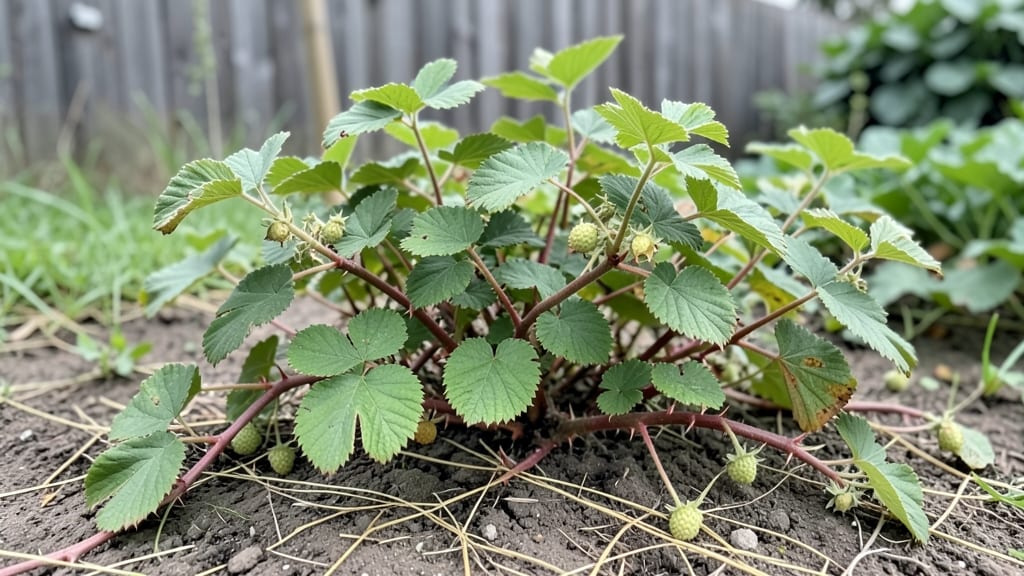
Growing a raspberry hydrangea plant transforms your garden into a fragrant, jewel-toned showstopper that blooms from early summer through fall. 🌿 This isn't just another hydrangea—its deep raspberry-red flowers smell like cotton candy and last longer than most varieties, plus it produces tiny berries that birds adore.
The key to getting those vibrant blooms starts with the right spot and soil prep, which I'll walk you through step by step.
You'll need a location with morning sun and afternoon shade, well-draining soil mixed with compost, and consistent moisture—think of it like giving your plant a spa day every week.
Most gardeners overlook the soil pH test, but this plant's color shifts dramatically depending on whether your soil is acidic (pink blooms) or alkaline (blue blooms). The berries add a fun bonus, but the real star is how these plants keep looking fresh even after heavy rain.
By next summer, you'll have lush, 3-5 foot tall shrubs bursting with those signature raspberry blooms that smell amazing when brushed against. The best part?
These hydrangeas handle pruning like a champ, so you can shape them into a hedge or let them grow wild—either way, they'll reward you with color that lasts well past when other flowers have faded.
Whether you're planting in a sunny border, mixed container, or as a standalone specimen, this variety thrives with minimal fuss once established. Let's get those roots in the ground and turn your garden into a fragrant, long-blooming paradise that neighbors will envy.
📚 In This Guide
- What you need
- Instructions
- Tips and common mistakes
- Wrapping up and next steps
What you need
- ● 1 healthy raspberry hydrangea plant (bare-root or potted, 1-2 years old, 18-24 inches tall)
- ● Well-draining potting mix or garden soil (amend with compost for nutrient-rich soil)
- ● Organic mulch (2-3 inches of shredded bark, pine straw, or wood chips)
- ● Slow-release fertilizer (balanced 10-10-10 or acid-loving plant fertilizer, 1 lb per plant)
- ● Watering can or hose with a gentle spray nozzle
- ● Garden gloves (to protect hands while handling soil and plants)
- ● Garden trowel or shovel (for digging planting holes, 6-8 inches deep)
- ● Pruning shears (sterilized, for shaping or trimming)
- ● pH testing kit (to ensure soil acidity is between 5.0-6.0)
- ● Epsom salt (1 tablespoon per gallon of water, for magnesium boost)
- ○ Plant support stake or trellis (optional, for heavier blooms)
- ● Drip irrigation system or soaker hose (for consistent moisture)
Step-by-Step guide to planting and caring for raspberry hydrangea
This stunning shrub thrives with just a few key techniques—here's how to get those iconic blooms.
🌱 Step 1: Choose the Perfect Planting Location
Raspberry hydrangea (Hydrangea macrophylla) loves partial shade—think 4-6 hours of morning sun with afternoon shade protection. Too much direct sun fades the blooms, while too little shade reduces flowering. I always plant mine where dappled light filters through nearby trees, creating that ideal balance.
Select a spot with well-draining soil—this plant hates soggy roots. If your soil drains poorly, amend with 2-3 inches of compost mixed into the top 12 inches of soil. The roots spread 3-4 feet wide, so give it plenty of space to avoid crowding. A slightly acidic soil (pH 5.5-6.0) brings out the deepest raspberry-red blooms.
🪴 Step 2: Plant at the Right Depth and Time
Spring or early fall are the best times to plant—avoid extreme heat or frost. Dig a hole twice as wide as the root ball but only as deep as the container it came in. Gently remove the plant, loosen any circling roots, and place it in the hole so the top of the root ball sits level with the surrounding soil. Backfill with native soil, tamping lightly to remove air pockets.
Water deeply right after planting to settle the soil and eliminate air gaps. Mulch with 2-3 inches of organic mulch (like shredded bark) around the base, keeping it 6 inches away from the stem. This conserves moisture and regulates soil temperature. Avoid mulching too close to the trunk—it can cause rot.
☀️ Step 3: Water and Fertilize for Vibrant Blooms
Keep the soil evenly moist but not soggy—hydrangeas wilt quickly when thirsty. Water deeply 1-2 times per week, aiming for 1-1.5 inches of water per session. You’ll know it’s right when water drains through the root zone. During dry spells, increase to twice weekly to prevent bud drop.
Feed with a balanced, slow-release fertilizer (10-10-10) in early spring to encourage new growth. For deeper raspberry tones, add aluminum sulfate (following package rates) in late spring—this lowers soil pH. Avoid high-nitrogen fertilizers in summer; they promote leafy growth at the expense of flowers.
✂️ Step 4: Prune for Health and More Blooms
Prune right after flowering (late summer) to shape the plant and encourage next year’s blooms. Remove dead or crossing branches first, then cut back last year’s stems by ⅓ to promote bushiness. Never prune into old wood—this shrub flowers on current season’s growth, so aggressive cuts reduce blooms.
Watch for yellowing leaves—this often signals overwatering or nutrient deficiency. If you see buds forming but not opening, your plant may need more sun or phosphorus. Deadhead spent blooms in early fall to redirect energy into root growth for winter.
⏰ Step 5: Winterize for Year-Round Success
Mulch heavily (4-6 inches) around the base in late fall to insulate roots from freezing temperatures. Hydrangeas tolerate down to 10°F, but young plants benefit from burlap wrapping if your winters dip below 20°F. Prune lightly in early spring to remove any frost-damaged stems before new growth begins.
This is the moment that matters: divide mature plants every 3-4 years in early spring to rejuvenate growth. Dig up the clump, separate sections with sharp pruners, and replant immediately. The more you maintain this routine, the more reliably your hydrangea will reward you with season-long color and fragrance.
Tips & tricks for perfect raspberry hydrangea planting and care
Here's what nobody tells you about getting those showstopping raspberry blooms—these are the secrets I've learned after years of trial and error with my own hydrangeas.
Light Balance is Everything: That 4-6 hours of morning sun in Step 1 is non-negotiable. I've seen hydrangeas planted in full afternoon sun lose their vibrant color within weeks. If your garden only offers full sun, consider planting near a north-facing wall or using sheer curtains on a patio to filter harsh afternoon rays. The key is maintaining that dappled light effect—think of it as giving your plant a sun hat during peak hours.
Soil Science Matters More Than You Think: The slightly acidic pH (5.5-6.0) mentioned in Step 1 isn't just a suggestion—it's the difference between raspberry-red blooms and pale pink ones. Test your soil before planting, and if it's too alkaline, add sulfur or peat moss to adjust. I've seen gardeners spend hundreds on fancy plants only to skimp on soil prep, and it shows in the blooms. That 2-3 inches of compost isn't just filler—it's the foundation for vibrant color.
Watering Wisdom for Long-Lasting Blooms: Those 1-1.5 inches of water per session in Step 3 should reach down to 6 inches deep—think of it as giving your hydrangea a long drink rather than a quick sip. I use a rain gauge to measure, and during summer heatwaves, I switch to deep watering every other day. The secret is consistent moisture without waterlogging—hydrangeas hate soggy feet but love steady hydration. A moisture meter is worth the investment if you're serious about those iconic blooms.
Pruning Precision Pays Off: When you cut back last year's stems by ⅓ in Step 4, you're not just tidying up—you're setting the stage for next year's flowers. I mark the cuts with a piece of tape before pruning to ensure I'm cutting at the right angle. And here's the pro move: save those pruned stems in water for a few days—they'll root and give you free plants! Just don't prune into old wood, or you'll sacrifice next year's blooms.
Pro Tips for Raspberry Hydrangea Plant
- Here's what nobody tells you about getting those showstopping raspberry blooms—these are the secrets I've learned after years of trial and error with my own hydrangeas.
- Light Balance is Everything: That 4-6 hours of morning sun in Step 1 is non-negotiable.
- Soil Science Matters More Than You Think: The slightly acidic pH (5.5-6.0) mentioned in Step 1 isn't just a suggestion—it's the difference between raspberry-red blooms and pale pink ones.
Frequently asked questions
Got questions about growing and caring for your raspberry hydrangea? You’re not alone! Here are answers to the most common curiosities—from planting to troubleshooting—so you can keep those stunning blooms thriving all season long.
How do I encourage raspberry hydrangeas to bloom longer?
Prune lightly in early spring (before new growth appears) to remove dead stems and shape the plant. Avoid heavy pruning—it can reduce blooms. For extra color, pinch back tips in late spring to promote bushier growth. Bonus: Deadhead faded blooms to redirect energy to new flowers!
Can raspberry hydrangeas grow in full sun?
While they tolerate partial shade (4–6 hours of sun), full sun can stress them, especially in hot climates. In such cases, provide afternoon shade or mulch heavily to retain moisture. Pro tip: If leaves scorch, move the plant to a sunnier spot with morning sun only.
Why aren’t my raspberry hydrangeas blooming?
Common culprits include over-pruning (cutting back old wood), poor soil (they love acidic, well-draining soil), or lack of sunlight. Check for pests like spider mites or aphids too! If the plant is young, give it 1–2 years to establish before expecting blooms.
What’s the best way to overwinter raspberry hydrangeas?
In USDA Zones 5–7, mulch the base with 3–4 inches of straw or shredded leaves after the first frost. In colder zones (below 5), wrap the plant in burlap or use a frost blanket. Water deeply before winter to prevent root damage.
Are there dwarf varieties of raspberry hydrangeas?
Yes! Look for ‘Little Lime’ or ‘Endless Summer’ (a reblooming hybrid). These stay compact (3–5 feet tall) and are perfect for containers or small gardens. Just ensure they get consistent moisture—dwarf varieties can dry out faster!
How do I propagate raspberry hydrangeas?
Take 4–6 inch cuttings in early summer from healthy stems. Remove lower leaves, dip in rooting hormone, and plant in moist perlite or sand. Keep humid (use a plastic bag) and place in indirect light. Roots should form in 4–6 weeks!
Wrapping up and next steps
The raspberry hydrangea plant is a true gem for gardeners—offering vibrant blooms, sweet fragrance, and effortless care that brightens any space year-round. With the right soil, sunlight, and a little TLC, you’ll enjoy its stunning colors and lush foliage for seasons to come.
Now that you’re armed with tips and answers, it’s time to roll up your sleeves and plant your own! 🌸 Start small, experiment with placement, and watch your garden transform into a fragrant paradise.