Light Requirements
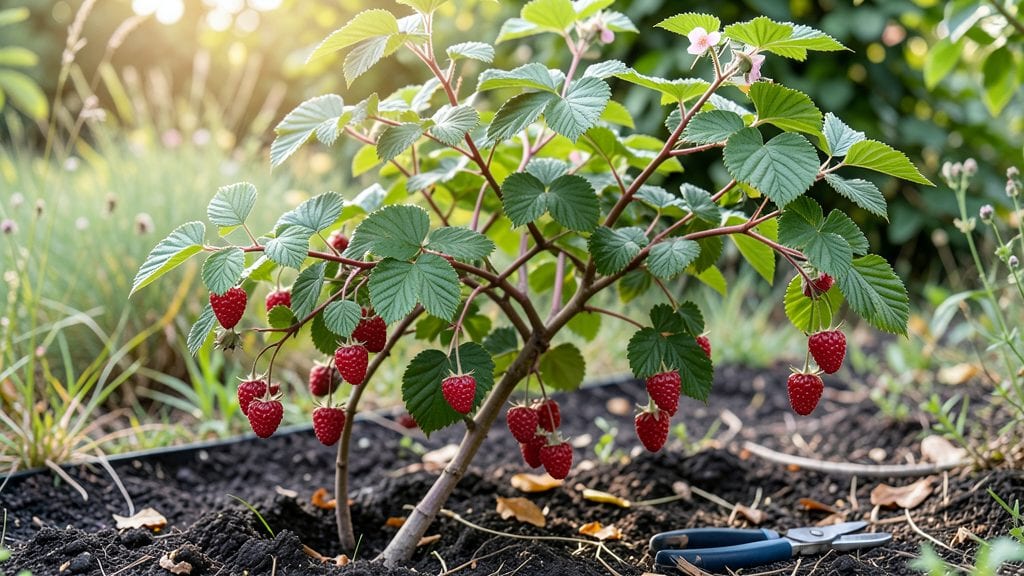
Your raspberry plant’s sun requirements are the most important factor in whether it delivers sweet, plump berries or just a few sad, underripe ones.
Struggling to get your raspberry plants to produce juicy, abundant berries? The secret might be hiding in plain sight—sunlight. Too little, and your harvest will be sparse; too much, and your plants could burn. Here’s how to strike the perfect balance for thriving 🍇 bushes.
Raspberries thrive in full sun, but they’re not as forgiving as tomatoes or peppers. In USDA Zone 6a, aim for at least 6-8 hours of direct sunlight daily, especially during spring planting and summer fruiting.
Too little light means weak canes and poor fruit set, while too much can scorch leaves in hot afternoons.
Below, I’ll break down exactly how much sun your raspberries need, how to adjust care based on your garden’s light, and the telltale signs you’re getting it wrong—so you can finally enjoy that bucket of berries you’ve been dreaming of.
Ideal sunlight hours for raspberry plants by variety
Raspberry plants thrive when they receive the right amount of sunlight, but their needs vary depending on whether you're growing summer-bearing or everbearing varieties. While both types love sunlight, everbearing raspberries can tolerate slightly less due to their unique fruiting cycle.
Understanding these differences is key to maximizing your harvest and preventing stress on your plants.
In USDA zones 3-7, raspberries need at least 6-8 hours of full sun daily for optimal growth and fruiting. However, in hotter zones (8-10), afternoon shade becomes crucial to prevent heat stress.
The right sunlight balance ensures strong canes, abundant flowers, and sweet, plump berries. Let’s break down the specifics for each variety and how to adjust care based on your climate.
Variety
Sunlight Needs
Shade Tolerance
Best for Zones
Microclimate Tips
Summer-bearing
6-8 hours full sun
Minimal (≤4 hrs shade)
USDA 3-9
Use shade cloth in zones 8-10
Everbearing
5-7 hours full sun
Moderate (≤6 hrs shade)
USDA 4-10
Plant near tall crops for afternoon shade
Heritage/Heirloom
6-7 hours full sun
Low (≤5 hrs shade)
USDA 5-8
Mulch heavily in hot climates
For summer-bearing raspberries, like Boyne or Nova, the 6-8 hours of full sun requirement is non-negotiable. These varieties produce fruit on second-year canes, which need maximum sunlight to develop properly.
In USDA zones 8-10, where afternoon temperatures can exceed 90°F, provide afternoon shade using shade cloth (30-50%) or plant near taller crops like corn or sunflowers.
Everbearing varieties, such as Heritage or Caroline, are more flexible with 5-7 hours of sun because they fruit on both first-year and second-year canes. This adaptability makes them ideal for partial shade gardens or areas with hot afternoons.
However, if they receive less than 5 hours of sun, berry production will suffer, and canes may become weak and leggy.
In cooler climates (USDA zones 3-6), raspberries can handle full sun exposure without additional shade. Focus instead on well-draining soil and consistent watering to prevent root stress.
If your garden has morning sun and afternoon shade, everbearing varieties will thrive, while summer-bearing types may still need supplemental light to produce well.
One common mistake is assuming that more sun is always better. In reality, excessive sunlight in hot climates can lead to sunscald on berries and leaf burn.
To mitigate this, use drip irrigation to keep soil moist and mulch heavily with straw or wood chips to retain moisture and regulate soil temperature. This is especially important in USDA zones 9-10, where raspberries can struggle without protection.
If you're growing raspberries in containers, place them in the sunniest spot available and rotate pots weekly to ensure even sunlight exposure. Containers dry out faster, so morning sun with afternoon shade works best.
For ground-planted raspberries, position them south-facing in the Northern Hemisphere to capture the most sunlight without overheating.
Monitor your raspberry plants closely for signs of sun stress, such as yellowing leaves, curling canes, or blistered berries. Adjust their position or add shade if needed.
With the right balance of sunlight, your raspberry bushes will reward you with vibrant canes and bountiful harvests for years to come.
Remember, the key to success lies in observation and adaptation. What works for a summer-bearing variety in USDA zone 5 may not suit an everbearing type in zone 9. Tailor your approach based on your specific climate and variety to ensure your raspberries thrive.
🌱
Signs your raspberry plants aren’t getting enough sun (and how to fix it)
If your raspberry plants are struggling to produce berries or look weak, insufficient sunlight could be the culprit. Raspberry plants thrive with 6 to 8 hours of direct sunlight daily. When they don’t get enough, their growth slows, and fruit production suffers.
I’ve seen many gardeners overlook this key factor, leading to disappointing harvests. Let’s explore the warning signs and how to correct them before it’s too late.
One of the first signs of sunlight deficiency in raspberry plants is poor berry development. You might notice small, underdeveloped berries that never ripen fully. Even if flowers appear, they often drop off without forming fruit.
This happens because raspberries need ample sunlight to convert energy into sweet, juicy berries. Without it, the plant prioritizes leaf growth over fruit production, leaving you with a sparse harvest.
Another red flag is weak, leggy canes. When raspberry plants stretch toward the light, their canes become thin and spindly. These overgrown canes are more prone to breaking under the weight of fruit or snapping in windy conditions.
If you’re seeing canes that look like they’re reaching for the sky, it’s a clear sign they’re desperate for more sunlight. This growth habit also makes the plants more vulnerable to diseases, as poor air circulation worsens in overcrowded, shaded areas.
Yellowing leaves, particularly on the lower parts of the plant, can also indicate insufficient sunlight. While some yellowing is normal as leaves age, widespread chlorosis (yellowing between leaf veins) suggests the plant isn’t getting enough light for photosynthesis.
This condition weakens the plant’s ability to produce energy, further stunting growth and fruit development. If left unchecked, the entire plant may become stunted and less productive.
⚠️⚠️ Critical Sunlight Requirements for Raspberries
Minimum: 6 hours of direct sunlight daily
Ideal: 8+ hours for maximum berry production
Maximum Tolerance: Can handle up to 10 hours, but may need afternoon shade in extreme heat
Shade Limit: Never plant in areas with less than 4 hours of sun—growth and fruit will suffer
💡 Pro Tip: Use a sunlight meter or observe your garden’s light patterns before planting. Most raspberry varieties will show signs of stress within 2-3 weeks of insufficient light.
To fix these issues, start by relocating your raspberry plants to a sunnier spot. If your garden has limited sunlight, consider using a reflective surface, like white gravel or a mirror, to bounce extra light onto the plants.
This trick can significantly boost light exposure without moving the plants. For container-grown raspberries, place them on a south-facing patio or balcony where they can soak up more sunlight during the day.
Adjust your pruning habits to maximize sunlight penetration. Remove any overgrown canes that are shading younger growth, and thin out dense foliage to improve air circulation.
In the early spring, prune back any canes that grew too tall the previous year, as these often block sunlight from reaching the center of the plant. This simple adjustment can make a huge difference in your plant’s ability to photosynthesize and produce fruit.
If your raspberries are in partial shade due to nearby trees or structures, consider seasonal adjustments. In early spring and fall, when the sun is lower in the sky, raspberries can tolerate more shade. However, during the peak summer months, they’ll need as much direct sunlight as possible.
If you can’t move the plants, try pruning nearby shade sources to allow more light to reach the raspberries during critical growing periods.