Pruning
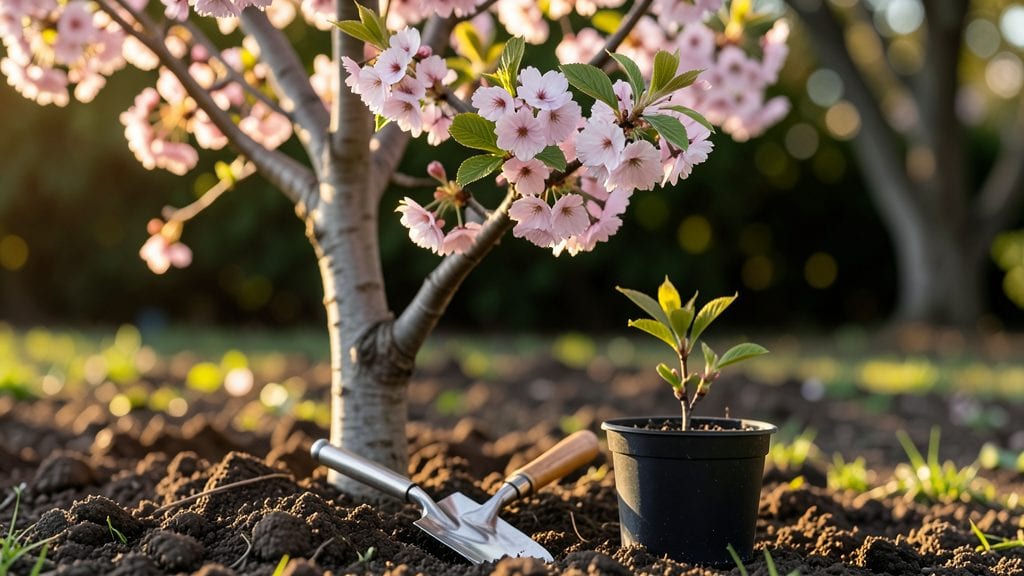
Planting a sakura tree means bringing delicate pink clouds to your yard—if you follow the right steps.
I’ve planted three myself, and the difference between a thriving tree and a struggling one comes down to where you place it, how you prep the soil, and keeping it alive through those first critical weeks. The payoff?
A canopy of blossoms that turns your space into a serene spring sanctuary.
Start by choosing a spot with full sun—at least 6 hours daily—and soil that drains well, since sakuras hate soggy roots. Most garden centers sell 2- to 3-gallon container-grown trees, which transplant easiest.
Dig a hole twice as wide as the root ball but no deeper, then loosen the roots gently before setting it in. The key is getting the depth right: the top of the root ball should sit 1-2 inches above ground level to prevent rot.
Water deeply right after planting, then keep the soil consistently moist (not soggy) for the first year. Mulch around the base to lock in moisture, but leave a 3-inch gap from the trunk to avoid disease.
By spring, you’ll see new growth—proof you’ve given your sakura the perfect start. The first blooms might take 3-5 years, but the wait is worth it for those soft pink cascades.
Troubleshooting is simple: yellow leaves? Likely overwatering. No blooms? Check sunlight or soil pH (sakuras prefer 6.0-7.0). And here’s a pro tip: Plant in early fall or late winter when trees are dormant.
That’s when mine took root fastest—no guesswork, just growth. Ready to make your yard the talk of the neighborhood?
📚 In This Guide
- What you need
- Instructions
- Tips and common mistakes
- Wrapping up and next steps
What you need
- ● Sakura tree sapling: Choose a Prunus serrulata (Japanese cherry blossom) or hybrid variety, preferably 1–2 years old (check local nurseries for disease-resistant options).
- ● Digging tools: Shovel or spade (for digging the hole)
- ● Trowel (for delicate root adjustments)
- ● Soil amendments (if needed): Compost or well-rotted manure (5–10 lbs, to improve drainage)
- ○ Sand or perlite (optional, for clay-heavy soil)
- ● Mulch: 2–3 inches of organic mulch (e.g., wood chips or straw) to retain moisture.
- ● Watering can or hose: With a gentle spray nozzle for post-planting hydration.
- ● Garden gloves (to protect hands from thorns or rough bark).
- ● Staking kit (if planting in windy areas—use 2–3 stakes + soft ties).
- ● Pruning shears (for trimming damaged roots or branches post-planting).
- ● Soil pH tester (ideal range: 5.0–6.5; amend with lime or sulfur if needed).
- ● Location: Full sun (6+ hours/day) and well-draining soil (sakuras hate soggy roots!).
- ● Timing: Plant in early spring or fall (avoid extreme heat/cold).
- ● Space: Account for mature size—most sakuras grow 20–30 feet tall!
Instructions for planting a sakura tree with confidence
Let's get your tree rooted and thriving with these straightforward steps—no gardening degree required.
Choose the Perfect Planting Spot and Prepare the Soil
Sakura trees adore full sun, so pick a location that gets at least 6-8 hours of direct sunlight daily. Avoid low spots where water pools after rain, as soggy roots lead to root rot. I always test the soil by digging a 12-inch deep hole—if the soil is heavy clay or compacted, mix in 2-3 inches of compost from your materials list to improve drainage and aeration.
Loosen the soil around the planting area with a shovel or garden fork, breaking up any hardpan. This helps roots spread easily. If your soil is sandy, add a handful of organic matter to help retain moisture. The goal is well-draining soil that lets roots breathe—sakura trees hate sitting in wet feet.
Dig the Hole and Position the Tree Correctly
Dig a hole twice as wide as the root ball but no deeper—sakura roots prefer to sit slightly above ground level. This prevents water from pooling around the trunk. Gently remove the tree from its container and inspect the roots. If they’re circling tightly, use your fingers to tease them outward so they spread naturally in the soil.
Place the tree in the hole, ensuring the top of the root ball sits 1-2 inches above the surrounding soil line. Fill the hole with soil, pressing lightly to eliminate air pockets but avoiding compaction. Water deeply to settle the soil around the roots. You’ll know it’s right when water drains away within 15-30 minutes—no soggy puddles.
Mulch, Water, and Protect for the First Year
Spread 2-3 inches of mulch over the soil surface, keeping it 6 inches away from the tree trunk to prevent rot. Mulch retains moisture and regulates soil temperature, which is especially helpful during dry spells. I use shredded bark or wood chips—whatever’s on hand—as long as it’s organic and weed-free.
Water the tree deeply once a week for the first month, then taper to every 10-14 days once established. You’ll know it’s time to water when the top 2 inches of soil feel dry. Avoid overhead watering after planting—direct the hose at the base to encourage deep root growth. For the first year, protect young trees from strong winds with a temporary stake or burlap wrap if needed.
Prune and Care for Long-Term Health
Prune in late winter or early spring before buds swell, removing any dead, crossing, or weak branches. Use clean, sharp pruners to make cuts just above a bud or branch collar. Sakura trees bloom on old wood, so avoid heavy pruning—just shape lightly to maintain an open canopy. You’ll see new growth within 4-6 weeks of pruning.
Fertilize in early spring with a balanced, slow-release fertilizer to support new growth. I skip fertilizing the first year unless the tree looks stressed—too much can burn tender roots. Monitor for pests like aphids or spider mites, but sakura trees are generally low-maintenance. With proper care, you’ll enjoy those iconic blooms in 3-5 years.
Tips & tricks for perfect sakura tree planting
Planting a sakura tree is simpler than you think—here are my go-to tricks to ensure your tree thrives from day one.
Sunlight Secret: The 6-8 hours of direct sunlight mentioned in Step 1 is non-negotiable for those iconic blooms. If your yard has partial shade, consider planting near a south-facing wall or fence that reflects sunlight. I’ve seen sakura trees in shaded areas struggle to bloom properly—don’t skip this step, even if your yard seems perfect at first glance.
Root Ball Prep: When you remove the tree from its container in Step 2, take an extra minute to gently loosen any circling roots with your fingers. This encourages outward growth rather than tangled roots that can strangle themselves. Think of it like unraveling a ball of yarn—your tree’s roots will thank you for the space to spread.
Watering Wisdom: That 15-30 minute drainage test after planting is your best friend. If water pools around the base after 30 minutes, you’ve planted too deep. The top of the root ball should always sit slightly above ground level—this prevents water from sitting against the trunk and causing rot. A slight mound of soil around the base helps channel water away naturally.
First-Year Protection: Don’t underestimate the power of wind protection for young trees. In Step 3, if your area gets strong winds, wrap the trunk with burlap or use a temporary stake to prevent swaying. I’ve seen newly planted sakura trees uproot themselves in just a few days during windy conditions—better safe than sorry when it comes to stability.
Pro Tips for Sakura Tree Planting
- Planting a sakura tree is simpler than you think—here are my go-to tricks to ensure your tree thrives from day one.
- Sunlight Secret: The 6-8 hours of direct sunlight mentioned in Step 1 is non-negotiable for those iconic blooms.
- Root Ball Prep: When you remove the tree from its container in Step 2, take an extra minute to gently loosen any circling roots with your fingers.
Frequently asked questions
Got questions about planting your own sakura tree? You’re not alone! Here are some of the most common queries—and their simple, practical answers to help you grow a stunning tree with ease.
When is the best time to plant a sakura tree?
The ideal time to plant a sakura tree is in early spring (just before buds swell) or late fall (after leaves drop). Avoid planting in extreme heat or freezing temperatures—your tree will thank you with vibrant blooms! For container-grown trees, you can plant year-round as long as the soil isn’t frozen.
How deep and wide should I dig the hole for my sakura tree?
Dig a hole twice as wide as the root ball but no deeper—planting too deep can suffocate roots. The top of the root ball should sit 1-2 inches above ground level to prevent waterlogging. Loosen the sides of the hole to encourage root spread and mix native soil with compost for a nutrient boost.
Can I plant a sakura tree in a container, or does it need ground space?
Yes! Dwarf varieties like ‘Kanzan’ or ‘Royal Celebration’ thrive in large containers (at least 18-24 inches wide). Use well-draining soil and a pot with drainage holes. Just know: container-grown sakuras may need annual repotting and more frequent watering than in-ground trees.
Why aren’t my sakura tree’s leaves turning green, or are they yellowing?
Yellow or pale leaves often signal nutrient deficiency (try a balanced fertilizer) or overwatering (sakuras hate soggy roots!). Check for pests like spider mites too. If leaves stay yellow despite care, test your soil’s pH—sakuras prefer slightly acidic soil (6.0–6.5). Adjust with sulfur or lime if needed.
How often should I water a newly planted sakura tree?
Water deeply 2-3 times per week for the first month, then taper to once a week (or more in extreme heat). Mulch around the base to retain moisture, but keep mulch 3–4 inches away from the trunk to prevent rot. Avoid overhead watering—it can spread fungal diseases like powdery mildew.
Wrapping up and next steps
Planting a sakura tree isn’t just about adding beauty to your space—it’s a gift of nature’s fleeting magic, and you’ve got everything you need to make it thrive! 🌸 From choosing the perfect spot to nurturing its roots, every step brings you closer to those dreamy, sun-kissed blooms.
Now that you’re equipped with the how-to, why not take the leap and turn your backyard (or even a pot!) into a cherry blossom paradise?
Ready to plant your sakura? Grab your tools, pick a sunny day, and let the blooms begin! Start digging today—your future tree (and future neighbors!) will thank you. 🌱