
Companion Plants
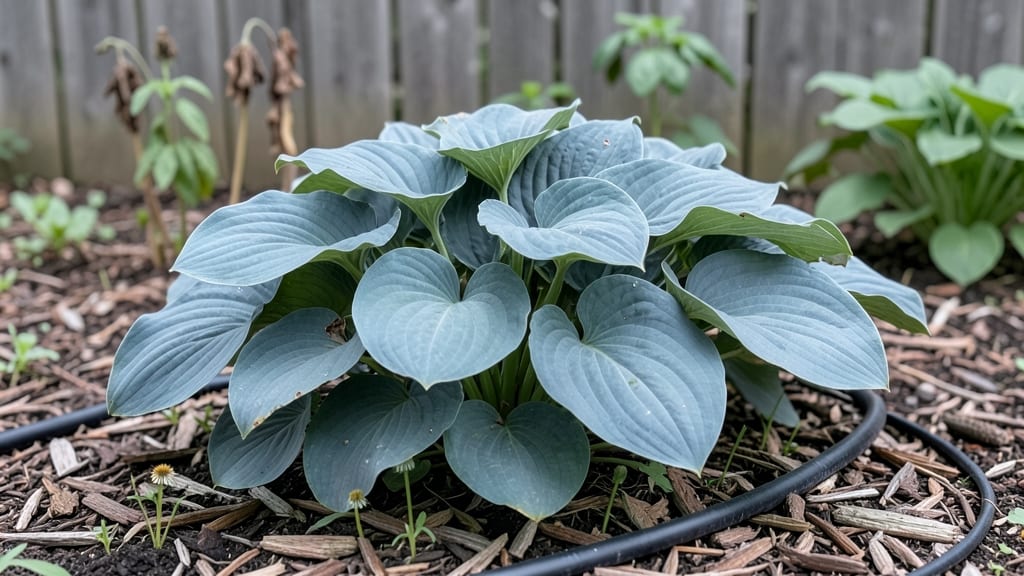
Shady garden plants can transform a gloomy corner into a year-round privacy screen with foliage so dense it blocks light—and neighbors' views—while requiring almost no fuss. 🌿 I once turned my north-facing yard into a lush green wall using just three evergreen shrubs and a few perennials, and the difference in curb appeal (and quiet) was shocking.
The secret isn’t complicated: focus on moisture-loving plants that thrive in dappled light, like inkberry holly for structure, heuchera for jewel-toned leaves, and hostas for reliable height.
These plants handle 6+ hours of shade and still grow tall enough to create a 6-foot-tall living fence in just a few years—no pruning required.
By mid-summer, you’ll have a vibrant, textured barrier that stays green even in winter. The best part? No weeding, no dead zones, and a space that finally feels like an intentional part of your garden—not an afterthought. Let’s pick the perfect plants for your light conditions.
Works for urban backyards, country estates, or even small patios with the right plant choices. Once you see how quickly these grow, you’ll wonder why you didn’t do this sooner.
📚 In This Guide
- What you need
- Instructions
- Tips and common mistakes
- Wrapping up and next steps
What you need
- ● Shady garden plants: 10–15 mature plants (mix of evergreens and deciduous options like Hosta, Ferns, Heuchera, or Astilbe). Choose based on your hardiness zone and soil type.
- ● High-quality potting soil: 2–3 cubic yards (or 10–15 bags) of well-draining, organic soil with compost (e.g., Miracle-Gro Garden Soil or Espoma Organic Potting Mix).
- ● Mulch: 1–2 bags of shredded bark or wood chips (3–4 inches deep) to retain moisture and suppress weeds.
- ● Watering can or hose with a gentle spray nozzle: For deep, consistent watering (especially for young plants).
- ● Garden gloves and knee pads: To protect your hands and joints during planting.
- ● Pruners or shears: Sharp, clean tools for trimming (sterilize with rubbing alcohol between cuts).
- ● Measuring tape and stakes: To mark planting spots and maintain spacing (aim for 18–36 inches between plants, depending on variety).
- ● Slow-release fertilizer: Granular or spike form (e.g., Osmocote Smart-Release Plant Food) for a nutrient boost.
- ● Drip irrigation system: Automates watering and saves time (great for large gardens).
- ● Decorative rocks or edging: To define garden borders and add visual appeal.
- ● Shade cloth (30–50% coverage): If your area gets partial sun, use this to filter light for sensitive plants.
- ● Plant labels: Waterproof tags to track varieties and care notes.
Step-by-step guide for designing a thriving shady garden
Here’s how to create a lush, private garden that thrives without direct sunlight.
🌿 Step 1: Assess Your Shade Conditions
First, determine your shade type—full shade (less than 3 hours of sunlight), partial shade (3-6 hours), or dappled shade (filtered light through trees). I use a simple test: if you can read a newspaper under the canopy, it’s full shade. If the area gets morning sun but afternoon shade, it’s partial.
This matters because some plants, like hostas, tolerate full shade, while others, like heucheras, need at least 4 hours of bright, indirect light. Skimping on this step leads to leggy, weak plants that never reach their full potential. Mark your garden zones with stakes to track light patterns over a week.
🪴 Step 2: Select the Right Plants for Your Shade
For full shade, prioritize hostas, ferns, heucheras, and astilbes—they thrive where others wilt. For partial shade, mix in hydrangeas, foxgloves, and bleeding hearts for vertical interest. I always start with 3-5 anchor plants (like hostas or heucheras) spaced 18-24 inches apart to create a dense base layer.
Layer in ground covers (like sweet woodruff or ajuga) to fill gaps and suppress weeds. Avoid sun-lovers like sunflowers or lavender—they’ll stretch and disappoint. Check plant tags for USDA hardiness zones to ensure year-round survival in your climate.
💧 Step 3: Prepare the Soil for Moisture Retention
Shady gardens often have compacted, moisture-retentive soil. Amend the top 6 inches with 2-3 inches of compost or peat moss to improve drainage and aeration. I mix in a slow-release organic fertilizer (like fish emulsion) to feed roots gradually—shady plants grow slower, so they need steady nutrients.
Test soil moisture weekly: stick your finger 2 inches deep. If it feels dry, water deeply until moisture reaches 6 inches down. Overwatering is common here—root rot thrives in soggy shade. Mulch with 3 inches of shredded bark to lock in moisture and keep roots cool.
☀️ Step 4: Arrange for Year-Round Interest
Combine evergreen foliage (like Japanese painted ferns or variegated hostas) with seasonal bloomers (such as heucheras in spring or astilbes in summer). I place taller plants (foxgloves, hydrangeas) at the back, medium-height (heucheras, hostas) in the middle, and ground covers in front for a natural tiered look.
Add textural contrast with grasses (like Hakonechloa) or leathery-leaved plants (like gunnera). This ensures visual appeal even when some plants are dormant. Prune dead or overgrown foliage in early spring to encourage fresh growth—shady plants often hold onto old leaves, which can smother new shoots.
⏰ Step 5: Maintain Through the Seasons
In spring, fertilize lightly with a balanced 10-10-10 formula to kickstart growth. In summer, water deeply 1-2 times per week (more if temperatures rise). I always check leaf color—yellowing means overwatering or nutrient deficiency, while crispy edges signal underwatering.
In fall, cut back annuals but leave perennials (like heucheras) for winter interest. Apply a 2-inch layer of mulch before frost to insulate roots. Shady gardens are low-maintenance, but seasonal adjustments keep them vibrant. Avoid heavy pruning in late summer—it stresses plants before winter.
Tips & tricks for perfect shady garden design
Creating a thriving shady garden takes more than just planting—it's about understanding the nuances of light, soil, and plant behavior that most gardeners overlook.
Light Assessment is Non-Negotiable: Don't rely on memory when determining your shade type. Use the newspaper test for full shade and track light patterns with stakes for at least a week. I've seen gardeners plant heucheras in full shade only to watch them struggle because those plants actually need at least 4 hours of bright, indirect light. The difference between leggy plants and lush foliage often comes down to this single, seemingly insignificant step.
Soil Preparation Makes All the Difference: When amending that top 6 inches of soil, focus on creating a sponge-like texture that retains moisture without becoming waterlogged. I mix equal parts compost and peat moss, then add a handful of perlite for aeration. This combination prevents root rot while ensuring your moisture-retentive soil doesn't turn into a swamp. Test your soil's moisture weekly by sticking your finger 2 inches deep—if it feels dry, water until moisture reaches 6 inches down.
Plant Layering Creates Visual Impact: The tiered approach in Step 4 transforms a flat garden into a dynamic landscape. Start with your tallest plants (like foxgloves) at the back, then medium-height (heucheras, hostas) in the middle, and ground covers in front. This creates depth perception that makes your garden feel larger. I like to add textural contrast with grasses like Hakonechloa—their delicate fronds soften the bold leaves of gunnera and heucheras beautifully.
Seasonal Maintenance is Key: That 2-inch layer of mulch before frost isn't just decorative—it's insulation. In winter, it protects roots from freezing temperatures, while in summer it locks in moisture. I always check leaf color as my moisture indicator: yellowing suggests overwatering or nutrient deficiency, while crispy edges mean underwatering. The 1-2 times per week watering guideline works for most climates, but adjust if you're in a particularly hot summer or rainy season.
Pro Tips for Shady Garden Plants
- Creating a thriving shady garden takes more than just planting—it's about understanding the nuances of light, soil, and plant behavior that most gardeners overlook.
- Light Assessment is Non-Negotiable: Don't rely on memory when determining your shade type.
- Soil Preparation Makes All the Difference: When amending that top 6 inches of soil, focus on creating a sponge-like texture that retains moisture without becoming waterlogged.
Frequently asked questions
Got questions about thriving plants in shady spots? You’re not alone! Here are answers to the most common queries about shady garden plants, from planting tips to troubleshooting tricks.
What are the best fast-growing plants for instant privacy in shady areas?
For quick results, try Fatsia japonica (Aralia), Cornus controversa (Page’s Pageantry), or Hydrangea macrophylla. These grow 1–2 feet per year and thrive in low light. Pair them with Heuchera for layered texture!
How long does it take for shady plants to mature and provide full coverage?
Most shade-tolerant shrubs take 3–5 years to reach full size. Evergreens like Pieris japonica or Rhododendron fill in faster (2–3 years), while slower growers like Hosta or Fern may need patience—think 4+ years for dense foliage.
Can I grow vegetables or herbs in shady gardens?
Opt for leafy greens (kale, spinach), arugula, or radishes in partial shade. Herbs like cilantro, mint, and parsley also thrive. Avoid sun-lovers like tomatoes or peppers—stick to 4+ hours of dappled light max.
Why are my shade plants yellowing or wilting? Common fixes?
Yellow leaves often signal overwatering or poor drainage. Check soil moisture—shady spots stay damp longer! Wilting could mean root rot (cut back watering) or underwatering (mulch helps retain moisture). Fungal issues? Prune affected leaves and improve airflow.
Are there non-toxic shade plants for pets or kids?
Yes! Safe picks include Hostas (mildly toxic but rarely harmful), Heuchera, Caladium, and Fern. Avoid English Ivy or Lily of the Valley—stick to ASPCA-approved options. Always monitor pets initially!
Wrapping up and next steps
Transforming your shady garden into a thriving, private retreat is easier than you think! With the right shady garden plants, you can enjoy lush foliage year-round while keeping maintenance to a minimum.
Whether you’re drawn to the bold leaves of hostas or the delicate charm of ferns, these plants deliver beauty and serenity without the fuss.
Ready to take the next step? Start small—pick one or two plants from our list, assess your shade levels, and begin planting. Before you know it, your garden will be a cozy, green oasis that feels like a well-kept secret! 🌿✨