
Companion Plants
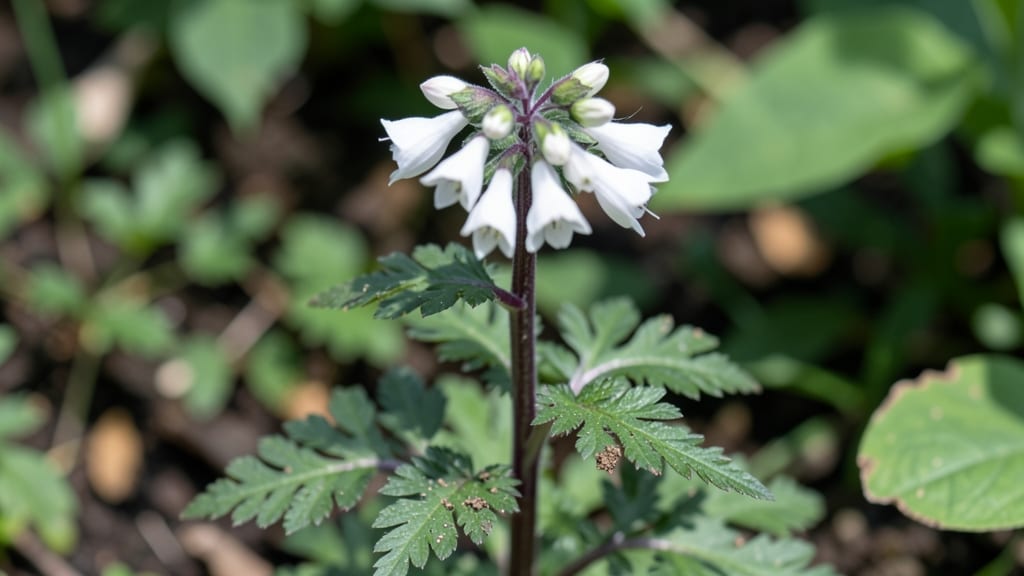
Skunk repellent plants saved my backyard from becoming a skunk buffet last summer. 🌿 The stinky, striped bandits had dug up my compost pile and were eyeing my raspberry patch—until I planted a strategic border of castor beans and marigolds.
Their strong scents and toxic properties (for skunks) made my yard unappealing overnight.
You don’t need fancy setups—just a few key plants in the right spots. Castor beans, daffodils, and wormwood are the heavy hitters, but even common marigolds or citrus-scented geraniums help. The trick is planting them in clusters along property lines, near compost piles, or close to skunk hotspots like sheds.
Most of these plants also deter other pests, so you’re getting double duty.
By late summer, you’ll notice fewer skunk tracks and no more torn-up lawns. The plants grow fast, spread easily, and—unlike chemical sprays—they’re safe for pets and kids. Plus, skunks won’t dig through them to raid your garden beds. It’s a win-win for both you and the local wildlife.
Works best in early spring or fall, when skunks are most active. If you’re in a high-skunk area, combine these plants with motion-activated lights or ammonia-soaked rags for extra protection. No more midnight skunk standoffs—just a peaceful garden that smells great and keeps critters out.
📚 In This Guide
- What you need
- Instructions
- Tips and common mistakes
- Wrapping up and next steps
What you need
- ● Skunk-repellent plants (5–10+ per section): Marigolds (French or African varieties)
- ● Lavender (1–2 plants per 5 sq. ft.)
- ● Rosemary (compact varieties for small spaces)
- ● Garlic chives or onions (3–5 plants per border)
- ● Catnip (1–2 plants per 10 sq. ft.)
- ● Garden soil or compost (5–10 lbs) – Well-draining, organic-rich soil for best results.
- ○ Organic fertilizer (optional but recommended) – A balanced 10-10-10 or plant-specific blend.
- ● Watering can or hose with spray nozzle – For gentle, deep watering (1–2 gallons per plant weekly).
- ○ Gloves (optional but handy) – To protect hands while handling soil or prickly plants.
- ● Trowel or small shovel – For digging holes (6–12 inches deep).
- ● Pruners (sharp & clean) – To trim dead foliage or shape plants.
- ● Mulch (straw, wood chips, or pine needles) – 2–3 inches to retain moisture and deter pests.
- ○ Stakes or plant markers (optional) – To label plants if you’re testing multiple varieties.
- ○ Neem oil (1–2 oz, optional) – A natural boost for plant health (dilute with water).
How to plant a skunk-repelling garden barrier
Skip the harsh sprays and create a natural skunk deterrent instead.
🌱 Step 1: Select Your Skunk-Repelling Plants
Start with these proven skunk deterrents: castor beans, marigolds, daffodils, or alliums (like garlic or chives). Castor beans release a foul odor when crushed, while marigolds and daffodils contain toxins skunks avoid. Alliums emit a strong scent that repels wildlife. I recommend planting a mix for maximum effectiveness.
Choose plants based on your climate. Daffodils thrive in cooler regions, while marigolds and castor beans handle heat better. If you have a small space, focus on alliums—they're compact and powerful. For larger areas, combine all four for a layered defense.
🪴 Step 2: Plant Along Property Edges or Garden Perimeters
Create a 2-3 foot wide barrier along fences, patios, or garden edges using the plants you selected. Skunks avoid crossing open spaces, so this band acts as a natural deterrent. Plant castor beans in 3-foot intervals for even coverage—their strong scent spreads when crushed.
Dig holes twice as wide as the root ball and same depth for each plant. Space marigolds and daffodils 6-12 inches apart, while alliums can go 4-6 inches apart due to their smaller size. Water deeply after planting to help roots establish quickly.
☀️ Step 3: Maintain Healthy, Strong Plants
Skunk-repelling plants work best when healthy. Water 1-2 inches per week (more in extreme heat) to keep them vigorous. Castor beans need full sun, while marigolds tolerate partial shade. Alliums and daffodils prefer well-drained soil—amend heavy clay with compost if needed.
Deadhead spent blooms on marigolds to encourage more flowers, which boosts their repellent properties. For castor beans, trim back leggy stems in late summer to promote bushier growth. Healthy plants mean stronger scents, which keeps skunks away.
✂️ Step 4: Enhance the Barrier Seasonally
In early spring, add fresh mulch around your plants to suppress weeds and retain moisture. In fall, plant additional daffodil bulbs—their strong scent persists even when dormant. Crush a few castor bean leaves occasionally to release their odor as a reminder to skunks that this area is off-limits.
Rotate your marigolds yearly to prevent disease buildup in the soil. If skunks still approach, expand the barrier by 1-2 feet wider or add more castor beans. Consistency is key—skunks learn to avoid areas with strong, unpleasant scents over time.
Tips & tricks for perfect skunk-repelling plant barriers
Creating an effective skunk deterrent takes more than just planting—here's how to maximize your garden's natural defense system.
Layer Your Defense: The 2-3 foot barrier mentioned in Step 2 works best when you layer different plants. Start with castor beans at the outer edge (their crushed leaves release the strongest odor), then add marigolds and daffodils behind them. Alliums planted closest to your property create a scent barrier skunks can't cross. This layered approach gives you the strongest protection.
Plant Placement Matters: When creating your barrier in Step 2, avoid planting near walkways or patios where skunks might still find access. Instead, position your 2-3 foot band along fences, property lines, or garden edges where skunks would naturally travel. For extra protection around raised beds, create a U-shaped barrier that completely surrounds the area.
Soil Preparation Tip: Before planting alliums and daffodils (which prefer well-drained soil), amend heavy clay soil with compost as suggested in Step 3. This improves drainage while adding nutrients that help plants grow stronger—stronger plants mean stronger repellent scents. For castor beans and marigolds, mix in a little sand if your soil is particularly dense.
Seasonal Maintenance Secret: The fall planting of additional daffodil bulbs in Step 4 is brilliant because their scent remains strong even when dormant. Here's the thing: plant them in clusters rather than scattered. Groups of 5-7 bulbs create a more concentrated scent zone that skunks will avoid. Mark these clusters with small garden flags so you remember their location when spring arrives.
Pro Tips for Skunk Repellent Plants
- Creating an effective skunk deterrent takes more than just planting—here's how to maximize your garden's natural defense system.
- Layer Your Defense: The 2-3 foot barrier mentioned in Step 2 works best when you layer different plants.
- Plant Placement Matters: When creating your barrier in Step 2, avoid planting near walkways or patios where skunks might still find access.
Frequently asked questions
Got questions about using skunk-repellent plants?
You’re not alone! Here are answers to the most common concerns—so you can confidently create a natural, stink-free zone without sprays or hassle.
Which plants work best for skunks, and how fast do they start repelling?
Top picks like Daffodils, Marigolds, Garlic, and Rue are proven skunk deterrents. Most begin working within 2–4 weeks of planting, as their strong scents mask skunk musk trails. For immediate results, combine them with Castor beans or Foxglove—these have a faster-acting, noxious odor.
How long do skunk-repellent plants last in the garden?
Perennial plants like Daffodils and Garlic chives return yearly, while annuals (e.g., Marigolds) need replanting. Most retain their scent for 6–12 months, but mulching or fertilizing can extend their effectiveness. Pro tip: Trim dead foliage in fall to prevent pests from nesting!
What if skunks ignore my plants? Should I try something else?
Skunks are stubborn! If they persist, rotate your plants every 2–3 years to prevent scent fatigue. Add physical barriers (e.g., wire mesh) around high-risk areas, or try companion planting with Lavender or Rosemary—their dual scents confuse skunks. Still no luck? A pet-safe spray (like vinegar + cayenne) can be a last resort.
Can I use skunk-repellent plants in containers or small yards?
Dwarf Marigolds, Garlic in pots, or Potted Rue thrive in containers. Place them near entry points (garages, sheds) or along fences. For tiny spaces, hang sachets of dried herbs (like Thyme or Mint)—skunks hate the aroma too!
Are these plants safe around pets or kids?
Most skunk-repellent plants are non-toxic, but check labels—some, like Castor beans or Foxglove, are poisonous if ingested. Stick to Daffodils, Marigolds, or Garlic for pet-friendly gardens. Always supervise kids/pets near new plants until you’re sure they’re safe!
Bonus Tip: Combine plants with visual deterrents like reflective tape or motion-activated lights—skunks dislike surprises!
Wrapping up and next steps
Natural skunk deterrents don’t have to be complicated—just smart! By incorporating skunk-repellent plants like marigolds, daffodils, or wormwood into your garden, you’re creating a fragrant, chemical-free barrier that keeps these critters at bay. These plants work naturally, saving you time, money, and the hassle of sprays or traps.
Ready to take action? Start small—plant a few of these powerhouses around your yard or near problem areas. Your nose (and your garden) will thank you! 🌿✨