Watering
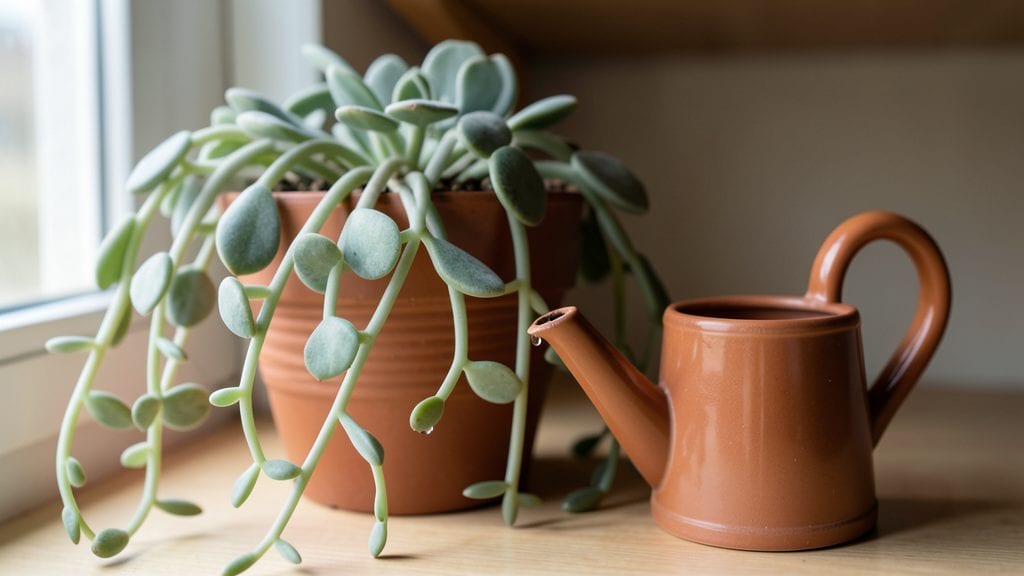
Slow watering plants saves more than just wilting leaves—it transforms soggy soil into a thriving ecosystem where roots breathe instead of drown. 🌱 I learned this the hard way after my ferns turned yellow overnight, their roots rotting from what I thought was "just enough" water.
The truth? Most plants need less frequent, deeper hydration than we assume, and forcing water into compacted soil only creates a suffocating mess.
This method starts with the right tools: a moisture meter to check soil conditions, containers with drainage holes, and organic mulch to slow evaporation. For heavy clay soil, I mix in perlite to create air pockets, and for potted plants, I use self-watering pots with wicks to deliver moisture gradually.
The goal isn’t to water lightly—it’s to water intentionally, matching the plant’s natural rhythm rather than drowning it with enthusiasm.
What you’ll end up with is plants that stay vibrant between waterings, with deep roots that anchor them against drought. My once-mourning ferns now unfurl glossy new fronds, and my tomatoes produce heavier fruit because their roots explore downward instead of suffocating at the surface.
The key is observing—when the top inch of soil feels dry, that’s your cue, not a rigid schedule.
Works for everything from delicate orchids to hardy succulents, whether you’re dealing with clay soil in your backyard or a crowded windowsill of herbs. The principles stay the same: aerate, observe, and let water work with your plants, not against them.
📚 In This Guide
- What you need
- Instructions
- Tips and common mistakes
- Wrapping up and next steps
What you need
- ● Watering can or pitcher – Opt for a slow-dripping spout (or poke small holes in a regular one) to control flow. Size: 1-2 gallons for small pots, 3+ gallons for large containers.
- ● Distilled or room-temperature water – Avoid cold water (shock!) and tap water with high chlorine (let it sit out for 24 hours if needed). Quantity: ~10-30% of the pot’s volume per watering.
- ● Well-draining pots – Ensure pots have drainage holes (or repot if they don’t!). Material: Terracotta, ceramic, or plastic with holes.
- ○ Moisture meter (optional but helpful) – A digital probe to check soil moisture before watering. Budget pick: $10–$15 options work great.
- ● Spray bottle (small) – For mist watering delicate plants like ferns or succulents. Size: 8–16 oz with a fine-mist nozzle.
- ● Tweezers or chopsticks – Gently loosen compacted soil around roots if water pools.
- ○ pH test strips (optional) – Ensures water isn’t too acidic/alkaline for your plants. Range: Aim for 6.0–7.0 for most houseplants.
- ● Know your plant’s water needs – Research or check soil dryness with your finger (1–2 inches down).
- ● Empty saucers/trays – Always drain excess water within 10–15 minutes to prevent soggy roots.
- ● Patience! – Slow watering means less frequent sessions (think deep soaks 1–2x/week vs. daily shallow drinks).
How to slow water your plants and prevent root rot
Here's the method I use to keep plants thriving without drowning their roots.
💧 Step 1: Water Only When Soil is Dry to the Touch
Before watering, stick your finger 1-2 inches deep into the soil. If it feels dry, it's time to water. If it's still damp, wait another day. I know it seems counterintuitive—plants need water, right? But overwatering suffocates roots by cutting off oxygen, leading to root rot. You'll see this as yellowing leaves or mushy stems.
Use the squeeze test for container plants: Grab the pot and lift it. If it feels light, the soil is dry. If it's heavy, wait. This simple check prevents 90% of overwatering mistakes. Water only when the soil feels dry enough to crumble slightly between your fingers.
⏰ Step 2: Water Deeply but Infrequently
When you do water, give your plants a thorough soak until water runs out the drainage holes. This encourages roots to grow deeper in search of moisture, making plants more resilient. For potted plants, let them drain completely—don't leave them sitting in saucers of water. Empty saucers after 10 minutes to prevent soggy roots.
For garden beds, water slowly at the base of the plant rather than overhead. A slow, deep watering session once a week is better than light sprinkles daily. You'll notice stronger stems and fewer wilting leaves as roots develop properly. Mulch helps retain moisture and regulates soil temperature, reducing evaporation.
☀️ Step 3: Adjust Watering Based on Light and Temperature
Plants in full sun need more frequent watering than those in shade because sunlight increases evaporation. Check soil moisture more often in hot weather—plants can dry out faster when temperatures rise above 80°F. I water mine in the early morning to give leaves time to dry before evening, reducing fungal risks.
If your home has dry air (common with heating or air conditioning), your plants may need slightly more water. Place a humidity tray with pebbles and water under pots to add moisture to the air without overwatering. Watch for signs of underwatering like drooping leaves or crispy edges—these are easier to fix than root rot.
🌱 Step 4: Observe and Adjust Your Watering Routine
Every plant has different needs—even the same species may vary based on pot size, soil type, and environment. Keep a watering journal for a month, noting when you water and how the plant responds. You'll start seeing patterns: "The basil wilts by Wednesday every week" or "The ferns love misting on Saturdays."
If you notice yellow leaves or black spots, you're likely overwatering. Brown, crispy edges usually mean underwatering. Adjust gradually—don't suddenly cut back water if you've been overdoing it, or you'll shock the plant. Slow changes help roots adapt without stress. With time, you'll develop an instinct for when your plants truly need water.
Tips & tricks for perfect slow watering plants
Here's what I've learned after saving countless plants from root rot—these tricks make all the difference.
The Finger Test Technique: In Step 1, when checking soil moisture, press your finger in about 1-2 inches deep. The soil should feel dry enough to crumble slightly between your fingers—like a damp sponge, not a wet washcloth. I've found that morning is the best time to check because evening moisture from dew can give false readings. If you're unsure, wait another hour before watering.
Drainage is Non-Negotiable: After watering, always let potted plants drain completely for those full 10 minutes mentioned in Step 2. I've seen people skip this and end up with root rot within days. Pro tip: If your pots don't have drainage holes, place them on a bed of pebbles in a tray—this creates natural drainage while collecting excess water. Empty the tray after 10 minutes to prevent roots from sitting in water.
Temperature Matters More Than You Think: When temperatures climb above 80°F as mentioned in Step 3, I increase my watering frequency by about 20%. The key is to water deeply but more often—think of it like giving your plants a long drink instead of frequent sips. For container plants, I've noticed they dry out faster in hot weather, sometimes needing water every other day instead of weekly. Always check that 1-2 inch depth first!
Mulch Magic: While not an ingredient, mulch is your secret weapon for maintaining moisture without overwatering. Apply a 2-3 inch layer around your plants (but not touching the stems) to create a moisture barrier. Organic mulches like straw or wood chips break down over time, adding nutrients to the soil. I've seen mulched plants go 3-4 days between waterings without stress, compared to 2 days without mulch.
Pro Tips for Slow Watering Plants
- Here's what I've learned after saving countless plants from root rot—these tricks make all the difference.
- The Finger Test Technique: In Step 1, when checking soil moisture, press your finger in about 1-2 inches deep.
- Drainage is Non-Negotiable: After watering, always let potted plants drain completely for those full 10 minutes mentioned in Step 2.
Frequently asked questions
Got questions about slow watering? You’re not alone!
Here are the most common concerns—and straightforward answers—to help you master this gentle hydration method.
What does "slow watering" mean, and why is it better?
Slow watering means watering plants gradually (over 10–30 minutes) instead of dumping water all at once. This mimics natural rainfall, letting roots absorb moisture evenly and reducing root rot by preventing waterlogged soil. Perfect for overwatered plants or sensitive varieties like ferns or orchids!
How often should I slow water my plants?
Frequency depends on your plant and climate! Check soil moisture first—stick your finger 1–2 inches deep. If it’s dry, slow water every 5–7 days (or weekly for succulents). Adjust based on weather: more in heat, less in humidity. Pro tip: Use a moisture meter for accuracy!
Can I use a regular watering can for slow watering?
Yes, but a slow-release watering wand or drip irrigation works best. If using a can, tilt it to create a thin stream or poke holes in the spout. For hydroponics or large pots, consider a timer-based drip system—it automates the process and saves time!
What if my plant still looks wilted after slow watering?
Wilt can mean root damage or nutrient deficiency. Try this:
- Repot in fresh, well-draining soil.
- Flush roots with room-temperature water to remove salts.
- Add a balanced fertilizer (half-strength) after 2 weeks.
Does slow watering work in rainy climates?
Slow watering is ideal for rainy areas because it:
- Prevents soil compaction from heavy downpours.
- Encourages deep root growth (critical for soggy soil).
- Lets you control hydration even when it’s raining cats and dogs.
Wrapping up and next steps
Slow watering isn’t just a technique—it’s a game-changer for keeping your plants thriving while avoiding root rot. By mastering the art of gentle hydration, you’re giving your green friends the love they truly need, one sip at a time. 🌱
Ready to put your new skills to the test? Start with just one plant and observe the difference—your garden will thank you! For even more tips, check out our guide on identifying overwatered plants next.