
Companion Plants
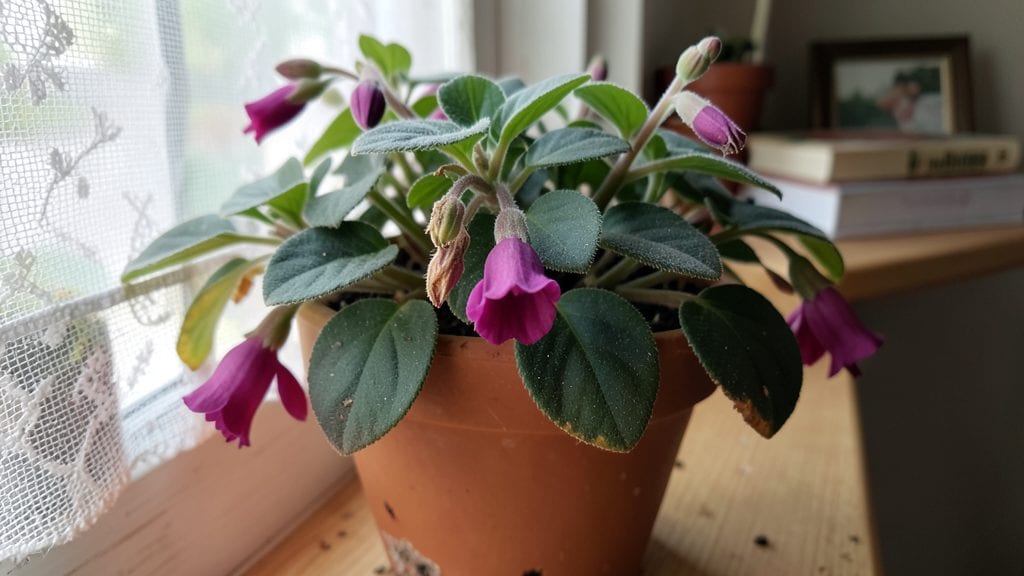
Growing small fuchsia plants from scraps saved me $80 last spring—those delicate, bell-shaped blooms in shades of pink, purple, and white are impossible to resist, and they thrive in hanging baskets where nothing else does. 🌿 The key isn’t just sunlight or water; it’s understanding how these finicky beauties grow best in partial shade and how to coax new growth from old stems.
I’ve killed more fuchsias than I’d like to admit, but once you master the basics, they reward you with blooms from late spring through frost.
You’ll need just three things to get started: a well-draining potting mix (no soggy roots allowed), a bright spot with morning sun and afternoon shade, and a pair of clean pruners for shaping.
Most nurseries sell small fuchsia plants for $5–$10 each, but propagating from cuttings is cheaper and lets you grow rare varieties. The secret to keeping them compact? Prune back leggy stems by a third each spring—this triggers bushier growth and more flowers.
Even in small spaces, these plants cascade like living jewelry.
By midsummer, your baskets will be bursting with blooms that hummingbirds can’t resist. The foliage stays glossy and vibrant if you water consistently (never letting soil dry out completely) and fertilize lightly every two weeks.
When fall arrives, bring them indoors before temperatures drop below 50°F—fuchsias are tender perennials that need winter protection. The payoff? Baskets that look like they cost $50 at the garden center, for a fraction of the price.
Works just as well in containers, window boxes, or even as tabletop plants. Whether you’re a beginner or a seasoned grower, these tips will keep your fuchsias blooming longer and healthier than you thought possible. Let’s get those cuttings rooted!
📚 In This Guide
- What you need
- Instructions
- Tips and common mistakes
- Wrapping up and next steps
What you need
- ● Small fuchsia plants: 3–5 plants (choose trailing varieties like ‘Little Doll’ or ‘Giantess Group’ for best results).
- ● Hanging baskets (6–12 inches wide): 1–2 per plant (ensure they have drainage holes!).
- ● High-quality potting mix: 2–3 gallons (use a well-draining blend with perlite or orchid bark).
- ● Slow-release fertilizer: 1 packet (look for a balanced 10-10-10 or organic option like fish emulsion).
- ● Watering can or spray bottle: 1 (with a gentle nozzle for hydration).
- ● Pruning shears: 1 pair (sterilized with rubbing alcohol for clean cuts).
- ● Moss or coconut coir: 1 small bag (to line baskets for moisture retention).
- ● Peat moss or sphagnum: 1 small bag (for extra drainage and acidity).
- ● Plant supports (e.g., tomato cages or trellises): 1–2 (if training fuchsias vertically).
- ● Grow lights or sunny windowsill: 1 (if indoors; fuchsias need 4–6 hours of light daily).
- ● Garden gloves: 1 pair (to protect hands from thorns on some varieties).
- ● Plant labels: 5–10 (to track varieties and care notes).
How to grow small fuchsia plants in hanging baskets
Here’s how to keep your fuchsias thriving year-round in small, vibrant hanging displays—no green thumb required.
🪴 Step 1: Choose the Right Hanging Baskets and Soil
Select 4-inch diameter hanging baskets with built-in saucers to catch water runoff. I prefer lightweight plastic baskets because they’re durable and easy to move around. Line the bottom with 1 inch of sphagnum moss—this prevents soil from falling out and helps retain moisture without suffocating roots.
Fill each basket with 2 cups of lightweight potting mix mixed with ¼ cup perlite. Fuchsias hate soggy roots, so this blend ensures drainage while keeping moisture available. Press the soil down gently but don’t compact it—you want it fluffy enough for roots to spread easily. Leave about ½ inch of space at the top for watering.
🌱 Step 2: Plant Small Fuchsia Starts Correctly
Gently remove a fuchsia plant from its nursery pot and tease the roots apart if they’re circling. Place it in the center of the basket, ensuring the top of the root ball sits just below the rim. This keeps the plant stable while allowing water to reach the roots without spilling over the edges.
Fill the remaining space with more of your potting mix-perlite blend, pressing lightly around the base. Don’t bury the stem too deep—fuchsias rot easily if planted too low. Water immediately after planting until it drains from the saucer below. Empty the saucer after 10 minutes to avoid root rot.
☀️ Step 3: Position for Bright, Indirect Light
Fuchsias love bright, indirect light—think morning sun with afternoon shade. A east-facing window or south-facing window with sheer curtains works perfectly. If you’re using grow lights, place them 12-18 inches above the plants for 12-14 hours daily. Too much direct sun scorches the leaves, while too little makes them grow leggy and sparse.
Rotate the baskets a quarter turn weekly so all sides get even light. You’ll notice new growth leaning toward the light—this is your cue to adjust placement. In summer, move baskets outside to a shaded patio for fresh air, but bring them back indoors before temperatures drop below 50°F at night.
💧 Step 4: Water and Feed for Continuous Blooms
Water when the top inch of soil feels dry to the touch—usually every 2-3 days in summer, but less in winter. Always water from the top until it drains from the saucer. Empty the saucer after 10 minutes to prevent soggy roots. I like to water in the morning so the plants dry out slightly by evening, reducing fungal risks.
Feed every 2 weeks with a balanced liquid fertilizer (10-10-10) diluted to half strength. During bloom season, switch to a phosphorus-heavy formula (like 5-10-5) to encourage more flowers. Stop fertilizing in late fall to let the plants rest—this prevents leggy growth and keeps them compact for next season.
✂️ Step 5: Prune and Maintain for Year-Round Growth
Pinch back the tips of new growth when they reach 3-4 inches to encourage bushier plants. This is especially important in spring to set up a strong structure. Deadhead spent flowers regularly—snip them off just above a set of leaves. This redirects the plant’s energy into producing more blooms instead of seeds.
In late winter, prune back one-third of the plant’s length to shape it and remove any dead or weak stems. This rejuvenates growth for the next season. Overwintering fuchsias indoors? Keep them in a cool, bright spot (around 55-60°F) and reduce watering to every 7-10 days. They’ll stay dormant but ready to burst into bloom again in spring.
Tips & tricks for perfect small fuchsia plants in hanging baskets
A few key tricks will help your fuchsias thrive year-round in those charming hanging baskets.
Soil Mix Matters: The blend of 2 cups lightweight potting mix and ¼ cup perlite is non-negotiable for fuchsias. I learned this the hard way—using regular garden soil leads to compacted roots and poor drainage. If you can't find perlite, vermiculite works too, but don't skip the drainage component entirely. After mixing, give it a gentle squeeze—it should hold its shape but crumble easily when pressed. This texture prevents soggy roots while keeping moisture available.
Light Positioning: In Step 3, when placing your baskets, remember fuchsias are sun-worshippers with delicate skin. The 12-14 hours of grow light should be bright but diffused—think of it like a sunny day through sheer curtains. I notice my plants lean toward the light after a few days, so I rotate them a quarter turn weekly to prevent lopsided growth. For windowsill placement, east-facing gets ideal morning sun without scorching afternoon rays.
Watering Wisdom: That 10-minute drainage rule after watering is crucial—don't rush to empty the saucer! Let the soil absorb moisture first, then check after exactly 10 minutes. I've seen root rot develop when people empty saucers too soon, trapping moisture against the roots. For summer watering, I test the top inch of soil with my finger—if it feels dry, it's time to water. In winter, let the soil dry out more between waterings to mimic their natural dormant period.
Pruning Pro Tip: When pinching back growth at 3-4 inches, use clean scissors and make cuts just above a set of leaves. I always sterilize my tools with rubbing alcohol first—this prevents spreading any potential diseases between plants. For late winter pruning, cut back one-third of the plant's length at a 45-degree angle. This encourages bushier growth and prevents those sad, leggy stems that ruin the hanging basket look.
Pro Tips for Small Fuchsia Plants
- A few key tricks will help your fuchsias thrive year-round in those charming hanging baskets.
- Soil Mix Matters: The blend of 2 cups lightweight potting mix and ¼ cup perlite is non-negotiable for fuchsias.
- Light Positioning: In Step 3, when placing your baskets, remember fuchsias are sun-worshippers with delicate skin.
Frequently asked questions
How often should I water small fuchsia plants in hanging baskets?
Water your fuchsias when the top inch of soil feels dry, typically every 2–3 days in summer or 3–4 days in cooler months. Hanging baskets dry out faster—check moisture daily in peak heat. Pro tip: Use a tray under the basket to catch excess water and prevent root rot.
Can small fuchsia plants survive winter outdoors?
Most fuchsias are tender perennials and need protection below 20°F (-7°C). Move potted plants to a sheltered spot (like a garage or under eaves) or bring them indoors near a bright window. If left outside, mulch heavily and cover with burlap for extra insulation.
What’s the best way to propagate small fuchsia cuttings?
Take 3–4 inch cuttings from healthy stems in spring or early summer. Remove lower leaves, dip in rooting hormone, and plant in moist perlite or sand. Keep humid (use a plastic bag) and in indirect light until roots form (4–6 weeks). Bonus: Fuchsias root easily—even in water!
Why are my small fuchsia leaves turning yellow or dropping?
Yellow leaves often signal overwatering or poor drainage. Check for soggy soil and ensure pots have drainage holes. Dropping leaves can also mean low humidity—mist plants or place a tray of water nearby. Pest check: Inspect for aphids or spider mites on undersides of leaves.
Are there dwarf fuchsia varieties perfect for small spaces?
Yes! Try ‘Tom Thumb’ (compact, 12–18 inches) or ‘Giant Baby’ (miniature, 6–12 inches). These thrive in tiny pots or window boxes. For trailing varieties, ‘Little Darling’ cascades beautifully in 6-inch containers. Perfect for balconies or fairy gardens!
Wrapping up and next steps
Growing small fuchsia plants is a rewarding way to add year-round color to your garden—whether in sun-drenched summers, crisp autumns, or even cozy winters indoors! 🌸 With the right care, these charming blooms thrive in hanging baskets, containers, or as delicate companions to other plants.
Whether you're a seasoned gardener or just starting, their low-maintenance nature makes them a perfect choice for vibrant, hassle-free beauty.
Now that you’re armed with tips and tricks, why not plant your first fuchsia this weekend? Grab a basket, pick your favorite variety, and let their cascading blooms transform your space into a lively, floral oasis. Happy gardening! 🌿