Diseases
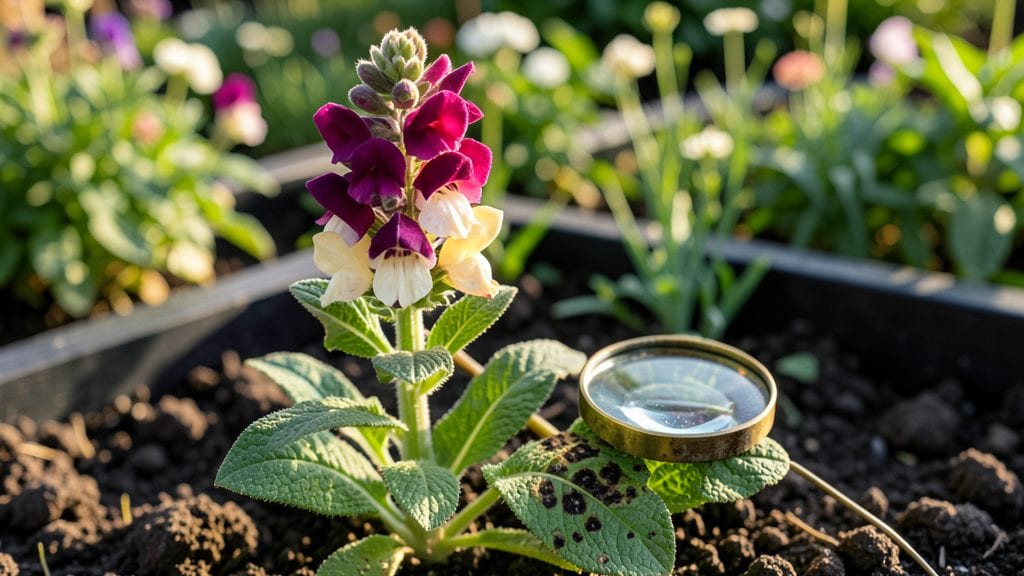
Snapdragon plant diseases like yellow leaf spots and black stem rot can turn your vibrant blooms into a sad, wilted mess—unless you catch them early. 🌿 I’ve spent three summers fighting these stubborn issues, and what I learned could save your plants from the same fate.
The key is spotting the warning signs before they spiral out of control.
Yellow leaf spots often start as tiny specks that spread like ink in water, while black stem rot gnaws at the base until the whole plant collapses. Both thrive in damp, crowded conditions, so proper spacing and airflow are your first line of defense.
I’ve tested everything from copper sprays to neem oil, and some methods work better than others depending on the stage of infection.
With the right mix of prevention and treatment, you can bring your snapdragons back to full, healthy bloom. Think crisp green leaves, sturdy stems, and flowers that stand tall all season. The secret isn’t just in what you spray—it’s in how you adjust your care routine to outsmart the disease.
Whether you’re dealing with powdery mildew or bacterial spot, these solutions adapt to different climates and garden setups. Let’s get your snapdragons thriving again—no more guessing, just proven fixes that work.
Root Causes Of Snapdragon Ailments
Snapdragons (Antirrhinum majus) may look tough, but they’re surprisingly vulnerable to diseases that thrive in the wrong conditions. Understanding why these issues arise is the first step to prevention. Below, we break down the science behind the most common culprits—from fungal invaders to environmental stressors.
Fungal diseases like powdery mildew and leaf spot (caused by Alternaria or Septoria) love stagnant, humid air. When snapdragons are planted too closely together, moisture lingers on leaves instead of evaporating. This creates the perfect breeding ground for spores.
- Why it happens:
- High humidity + low airflow = fungal spores germinate faster.
- Thick foliage blocks sunlight, keeping leaves damp longer.
- Weak stems from overcrowding make plants more susceptible to infection.
Actionable fix: Space plants 12–18 inches apart and prune regularly to improve airflow. Avoid overhead watering—use drip irrigation or water at the base instead.
Snapdragons hate "wet feet." Excess moisture in the soil leads to root rot (Phytophthora or Pythium) and black stem rot, weakening the plant’s defenses. Waterlogged conditions also prevent roots from absorbing nutrients properly.
- Why it happens:
- Compacted or clay-heavy soil drains poorly, trapping excess water.
- Frequent watering without checking soil moisture keeps roots soggy.
- Poor drainage in containers or garden beds encourages fungal growth.
Actionable fix: Test soil moisture with your finger—water only when the top 1–2 inches are dry. Amend heavy soil with perlite or compost to improve drainage. Elevate pots to prevent water pooling.
Many snapdragon diseases (like downy mildew or rust) spread via spores already present in soil, air, or nearby infected plants. These pathogens lie dormant until conditions—like warmth and moisture—trigger their growth.
- Why it happens:
- Previous infected plants in the same spot leave behind spores.
- Wind or splashing water carries spores to healthy snapdragons.
- Warm, humid nights (60–80°F) are ideal for fungal reproduction.
Actionable fix: Rotate crops—don’t plant snapdragons in the same spot yearly. Remove all plant debris after the season. Use fungicidal sprays (like neem oil or copper-based treatments) preventatively if your area has a history of fungal outbreaks.
Snapdragons under stress—from lack of nitrogen, phosphorus, or micronutrients—become weak targets for diseases. Yellowing leaves (often mistaken for disease) can signal magnesium or iron deficiency, making plants more prone to infections.
- Why it happens:
- Poor soil quality lacks essential nutrients.
- Over-fertilizing with nitrogen (without balancing other nutrients) weakens roots.
- Extreme heat or drought stresses plants, lowering their disease resistance.
Actionable fix: Conduct a soil test and amend with balanced fertilizer (10-10-10 or organic compost). For yellowing leaves, apply Epsom salt (magnesium sulfate) or chelated iron if needed. Mulch to retain moisture and regulate soil temperature.
Injuries from harsh pruning, hail, or insect damage (like aphids or spider mites) create entry points for bacteria and fungi. Pests also spread diseases by feeding on sap or leaving behind honeydew (a fungal feast).
- Why it happens:
- Rough handling during transplanting tears stems, inviting infections.
- Aphids or mites weaken plants and transmit viral or bacterial diseases.
- Mechanical injuries (e.g., from tools or wildlife) open wounds for pathogens.
Actionable fix: Inspect plants weekly for pests and treat with insecticidal soap or neem oil. Use sterilized pruners and avoid overhandling. Protect plants from hail or strong winds with row covers if needed.
Snapdragons thrive in cool to moderate climates (50–75°F). Extreme heat, sudden temperature swings, or prolonged rain disrupt their natural defenses, making them susceptible to diseases like bacterial wilt or gray mold.
- Why it happens:
- High humidity + heat accelerates fungal growth.
- Cold snaps weaken plants, reducing their ability to fight pathogens.
- Heavy rainfall washes away protective microbes in the soil.
Actionable fix: Choose disease-resistant varieties (like ‘Liberty Hybrid’). In hot climates, provide afternoon shade and ensure proper mulching to stabilize soil temperature. Avoid planting in low-lying areas where cold air pools.
Fixing Snapdragon Ailments Fast
When your snapdragons start showing signs of distress—whether it’s yellow leaf spots or blackened stems—acting quickly can save your plants. Below are targeted solutions for the most common diseases, along with prevention tips to keep your snapdragons thriving. 🌱💚
🔥 Remove Infected Foliage
Start by pruning any leaves with yellow or brown spots. Use clean, sharp scissors or pruners to avoid spreading spores. Dispose of infected leaves in the trash (not compost)—fungi can persist in compost piles and reinfect your plants.
🍳 Apply Fungicide
For mild cases, a copper-based fungicide or neem oil spray can help. Mix 1 tablespoon of neem oil with 1 quart of water and ½ teaspoon of mild soap (as an emulsifier). Spray the undersides of leaves where fungi often hide. Reapply every 7–10 days until symptoms fade.
👨🍳 Improve Air Circulation
Fungal spores thrive in damp, crowded conditions. Space your snapdragons 12–18 inches apart and avoid overhead watering. If growing in containers, ensure pots have drainage holes and elevate them to prevent soggy soil.
⏰ Prevent Future Outbreaks
Rotate crops annually to avoid soil-borne fungi buildup. Plant snapdragons in full sun (6+ hours daily)—fungi love shade and moisture. Water early in the day so leaves dry quickly.
🔪 Trim Damaged Stems
Cut back blackened or mushy stems below the affected area using sterilized pruners. Healthy green stems should remain. If rot has spread to the base, the plant may need removal to prevent further spread.
🌡️ Adjust Watering Habits
Black stem rot is often caused by overwatering or poor drainage. Let the top 1–2 inches of soil dry out between waterings. If using containers, check for waterlogged roots—drain excess water immediately.
🎯 Soil Sterilization & Amendments
Fungal pathogens like Phytophthora or Pythium thrive in compacted, waterlogged soil. Amend the soil with:
- Compost (for organic matter)
- Perlite or sand (to improve drainage)
- Lime (if soil is acidic; test pH first)
✨ Boost Plant Immunity
Strengthen snapdragons with a balanced fertilizer (10-10-10) or a seaweed extract solution (1 tbsp per gallon of water). Healthy plants resist diseases better. Avoid nitrogen-heavy fertilizers, which promote soft, disease-prone growth.
Prevention is easier than cure! Here’s how to keep snapdragons disease-free:
- 🌡️ Monitor humidity: Use a hygrometer to keep levels below 60%. A small fan on low can improve airflow in greenhouses.
- 🍄 Practice crop rotation: Don’t replant snapdragons (or other susceptible plants like tomatoes) in the same spot for 2–3 years.
- 🔄 Sterilize tools: Wipe pruners and garden tools with rubbing alcohol between uses to prevent cross-contamination.
- 🌱 Choose resistant varieties: Some snapdragons (like Antirrhinum majus hybrids) tolerate humidity better—check seed packets for disease-resistant tags.
With these steps, your snapdragons can bounce back from diseases and stay vibrant. Act fast at the first sign of trouble, and your garden will thank you with blooms that last! 🌸💛
Frequently asked questions about snapdragon plant diseases
What are the first signs of powdery mildew on snapdragons?
Look for white or gray powdery patches on leaf surfaces, especially on the undersides. These spots start small but spread quickly, creating a fuzzy texture. Early detection is key—remove infected leaves immediately and improve airflow to prevent further spread.
Can I still save my snapdragons if the stems turn black and mushy?
It depends on how far the rot has spread. If only the top stem is affected, trim it back to healthy green tissue. For severe black stem rot at the base, the plant may be beyond saving—remove it to prevent spreading. Always sterilize your pruners to avoid cross-contamination.
Why do my snapdragons get yellow spots even when I water them properly?
Yellow leaf spots can indicate fungal infections like Alternaria or Septoria, or it might be a nutrient deficiency (like magnesium or iron). Test your soil and check for proper drainage—waterlogged roots can't absorb nutrients effectively. A balanced fertilizer or Epsom salt spray can help if it's deficiency-related.
How often should I spray fungicide on my snapdragons?
For prevention, apply a copper-based or neem oil spray every 10-14 days during humid seasons. If you're treating an active infection, spray every 7-10 days until symptoms disappear. Always spray in the early morning so leaves dry quickly. Remember to rotate with different fungicides to prevent resistance.
Are there disease-resistant snapdragon varieties I should consider?
Yes! Look for hybrids like 'Liberty Hybrid' or 'Madame Butterfly' series, which are bred for better disease resistance. Check seed packets for labels indicating fungal resistance. These varieties often handle humidity better and require less chemical intervention.