
Watering
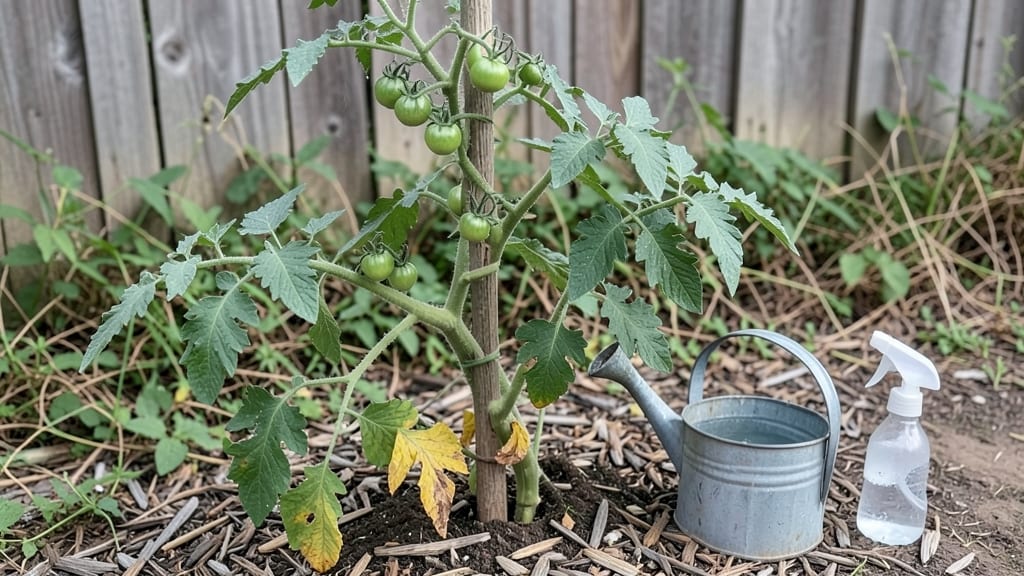
Soapy water for tomato plants isn't just a quick fix—it’s my go-to emergency treatment when fungal blight or pests threaten my harvest before it even ripens. 🌱 The right mix disrupts fungal spores and washes away soft-bodied insects like aphids, giving plants a fighting chance without harsh chemicals.
I’ve saved entire tomato cages this way, and the best part? You likely already have the ingredients.
You’ll need 1 tablespoon of mild liquid dish soap (like Castile) per gallon of water, mixed in a spray bottle. Avoid heavy-duty soaps—they can damage leaves. For fungal blight, add a teaspoon of baking soda to the mix, but always test on a small leaf first.
This solution works best in the early morning or late evening when temperatures are cooler and evaporation is slower.
The results are fast: within 24 hours, you’ll see pests knocked off leaves and fungal growth slowed. Repeat every 3–5 days until the problem clears, and always rinse plants thoroughly afterward to prevent soap buildup.
It’s not a cure-all for severe infections, but for early-stage issues, it’s a game-changer that keeps tomatoes thriving.
Fair warning: soapy water won’t stop hard-shelled pests like beetles or cure advanced blight. For those, you’ll need neem oil or copper sprays. But for your average aphid outbreak or early signs of leaf spot?
This method is foolproof, organic, and costs pennies. Now, let’s get spraying—your tomatoes won’t thank you until harvest time.
📚 In This Guide
- What you need
- Instructions
- Tips and common mistakes
- Wrapping up and next steps
What you need
- ● Mild liquid dish soap (unscented, no degreasers or antibacterial agents): 1–2 tablespoons per gallon of water (adjust based on plant size)
- ● Water (preferably lukewarm or room temperature): 1 gallon per 5–10 tomato plants (or as needed for coverage)
- ● Spray bottle or garden sprayer (with a fine mist nozzle): 8–16 oz capacity (adjustable for larger plants)
- ○ Protective gear (optional but recommended): Gloves (to avoid skin irritation)
- ● Long sleeves/pants (for sensitive skin)
- ● Neem oil (1 tsp per gallon) – Boosts antifungal properties (mix after soapy water cools).
- ● Baking soda (1 tsp per gallon) – Adds mild antifungal support (test on a small leaf first!).
- ● Pruning shears – For trimming severely infected leaves before treatment.
- ● Label or marker – To tag treated plants and track progress.
Step-by-step instructions for using soapy water on tomato plants
Here's the quick, effective method I use to keep tomato plants healthy and blight-free.
💧 Step 1: Mix the Soapy Water Solution
Fill a 1-gallon spray bottle with lukewarm water—never hot, as it can damage leaves. Add 1 teaspoon of mild liquid dish soap (like Dawn) per gallon. Stir gently to dissolve completely. The solution should look cloudy but not sudsy—excess soap burns foliage. I like to mix it in a separate container first to avoid over-dilution.
Real talk: Use only mild soap. Harsh detergents or antibacterial soaps strip natural oils from leaves, leaving plants vulnerable to stress. Test a small area first—if you see any white residue or leaf curling within an hour, rinse immediately and try a weaker dilution next time.
🌿 Step 2: Apply to Affected Leaves
Spray the soapy water directly onto both sides of infected leaves, focusing on spots with yellowing, brown patches, or fuzzy growth (signs of early blight). Hold the bottle 12-18 inches away to avoid oversaturating stems. I work in the early morning so leaves have time to dry completely before evening humidity sets in.
Don't skip the undersides—fungal spores love hiding there. You'll see a slight sheen on leaves after spraying; this is normal and helps the soap cling to surfaces. Avoid spraying flowers or fruit, as soap residue can reduce pollination and affect flavor. If you accidentally hit blossoms, rinse them off immediately with plain water.
⏰ Step 3: Rinse and Monitor for Improvement
After 30-60 minutes, rinse the plants thoroughly with clean water to remove soap residue. Watch for 24-48 hours to confirm no leaf damage occurred. The soap disrupts fungal spores on contact, but rinsing removes any lingering soap that could harm beneficial insects or plant tissues.
Repeat the treatment every 7-10 days or after heavy rain, which washes away the protective layer. You'll notice new growth emerging within 5-7 days if the blight was caught early. If leaves continue yellowing or wilting, the infection may be too advanced—switch to a fungicide at this point.
☀️ Step 4: Prevent Future Fungal Issues
After treating, improve airflow around plants by pruning crowded foliage and spacing them 18-24 inches apart. Water at the base (not overhead) to keep leaves dry, and remove any fallen leaves or debris where spores thrive. I also rotate my tomato varieties yearly to prevent soil-borne diseases from building up.
This preventative combo—soapy sprays, proper spacing, and clean garden habits—keeps my tomatoes thriving all season. The key is consistency: even if the plants look fine, I treat them preventatively every 2 weeks during peak humidity months (June-August in my zone 7b garden).
Tips & tricks for perfect soapy water tomato treatments
A few quick tricks that'll help you get the most out of this simple but powerful fungal fighter.
Dilution is Everything: The 1 teaspoon per gallon ratio is perfect, but if your water feels too harsh or leaves look stressed after the 30-60 minute wait, you've gone too strong. I always test a small leaf first—if it feels slick or shows white residue after rinsing, dilute with an extra cup of water. Remember, we're disrupting spores, not scrubbing paint!
Timing Secret: That 24-48 hour monitoring window is crucial. I've seen plants show no damage at first, only to develop brown spots later if I didn't watch closely. Keep a spray bottle of clean water handy to rinse any leaves that show signs of stress during this period. The goal is to kill fungus without harming your plants.
Equipment Upgrade: Invest in a simple spray nozzle attachment for your hose if you have large plants. It makes rinsing after the 30-60 minute treatment much easier and more thorough. For small containers or seedlings, a fine-mist spray bottle works perfectly—just be gentle to avoid damaging tender leaves.
Preventative Strategy: Don't wait for visible blight! I treat my tomato plants every 2 weeks during peak humidity months (June-August) as a preventative measure. This builds a protective layer that fungal spores can't easily penetrate. Think of it like giving your plants a lightweight raincoat before the storm hits.
Pro Tips for Soapy Water For Tomato Plants
- A few quick tricks that'll help you get the most out of this simple but powerful fungal fighter.
- Dilution is Everything: The 1 teaspoon per gallon ratio is perfect, but if your water feels too harsh or leaves look stressed after the 30-60 minute wait, you've gone too strong.
- Timing Secret: That 24-48 hour monitoring window is crucial.
Frequently asked questions
Got questions about using soapy water on your tomato plants? You’re not alone! Here are answers to the most common queries to help you tackle fungal blight like a pro.
How often should I spray soapy water on tomato plants?
Spray your tomato plants with soapy water every 7–10 days as a preventive measure, or immediately if you spot signs of fungal blight (like yellow spots or mold). Avoid overdoing it—once a week is plenty unless pests or disease flare up. Pro tip: Early morning or late evening sprays work best to avoid burning leaves in direct sunlight!
Can I use any soap, or is dish soap the only option?
While mild, unscented castile or dish soap is ideal, avoid harsh detergents (like laundry soap) or soaps with added chemicals. A 1-tsp-per-gallon ratio of liquid soap is safe. Alternative: Neem oil or horticultural oil mixed with water can also fight fungal spores!
What if my tomato leaves turn brown or crispy after spraying?
Brown or crispy leaves usually mean the soap concentration was too high or you sprayed in direct sunlight. Rinse the plants with plain water immediately and dilute your soap mixture next time. Fix it fast: Use a 1/2-tsp-per-gallon ratio and apply in the shade or early morning.
Does soapy water work on other garden pests, like aphids or spider mites?
Soapy water is a natural insecticide that smothers soft-bodied pests like aphids, spider mites, and whiteflies. Spray directly on infested areas for best results. For stubborn pests, repeat every 3–5 days until they’re gone. Bonus: Add a few drops of neem oil for extra pest-fighting power!
Will soapy water harm beneficial insects, like bees or ladybugs?
Yes, soapy water can harm beneficial insects if sprayed directly on them. Avoid treating plants when bees or ladybugs are active (early morning or late evening is safest). For targeted pest control, use a soft brush or spray bottle to focus only on affected areas. Safety tip: Plant flowers away from your tomato patch to attract pollinators elsewhere!
Can I reuse soapy water on my tomato plants?
No, reuse soapy water isn’t recommended—it loses effectiveness and can concentrate harmful residues. Always use fresh, diluted soapy water for each treatment. If you’ve got leftover mix, save it for cleaning tools or pots (just don’t reuse it on plants!).
Wrapping up and next steps
Using soapy water for tomato plants is a simple, budget-friendly way to fight fungal blight and keep your garden thriving! This natural solution is gentle yet effective, giving your tomatoes a fighting chance without harsh chemicals. Give it a try—your plants (and future harvests) will thank you!
Ready to take action? Test a small area first to ensure your plants respond well, then scale up as needed. Happy gardening! 🌱💚