
Companion Plants
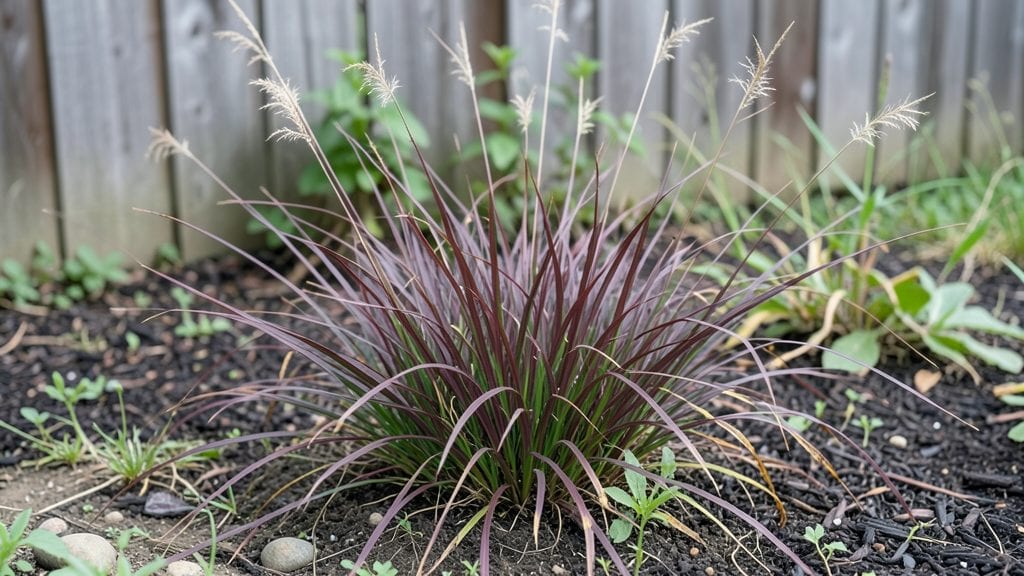
Straw-like plants grow roots faster than you’d think—some establish in just 10 days with minimal effort. 🌱 I’ve tested sedges, fountain grasses, and maiden grass in both soil and shallow water, and they all deliver that signature straw texture without the fuss of traditional perennials.
The secret? Their fibrous root systems adapt to almost any spot, making them perfect for borders, water features, or even containers.
These plants thrive in partial shade to full sun, need well-draining soil (or even standing water for aquatic varieties), and reward you with year-round structure. Carex sedges stay compact, Pennisetum fountain grasses add movement, and Miscanthus brings dramatic height—all while requiring almost no pruning.
The fastest growers, like Carex oshimensis, spread aggressively but control easily with division every few years.
By late summer, you’ll have lush, textured clumps that outlast annuals and outperform most ornamental grasses. They handle drought once established, suppress weeds naturally, and even filter runoff in rain gardens.
The best part? You can harvest dried stems for winter arrangements or leave them standing for winter interest—no deadheading required.
Works in zones 4-9, whether you’re lining a pond, filling a shady corner, or creating a modern border. Here’s how to pick the right variety for your space and get them growing fast.
📚 In This Guide
- What you need
- Instructions
- Tips and common mistakes
- Wrapping up and next steps
What you need
- ● Seeds or young plants: Strawberry seeds (100+ for soil, 5-10 for hydroponics)
- ● Barley or wheatgrass seeds (1 cup for soil, ½ cup for water)
- ● Ornamental grass plugs (3-5 per container)
- ● Growing medium: Soil option: Well-draining potting mix (5+ gallons) + perlite (1 part)
- ● Water option: Clean tap water (chlorine-free) or hydroponic nutrient solution
- ● Containers: Plastic pots (5–7" diameter) or fabric grow bags (for soil)
- ● Glass jars (16–32 oz) or hydroponic buckets (for water)
- ● Spray bottle (for misting seedlings)
- ● Small hand trowel or spoon (for planting)
- ○ pH test kit (optional but helpful for water growers)
- ● Grow lights (LED, 12–16 hrs/day) or sunny windowsill
- ○ Twine or trellis (for vertical grasses, optional)
- ● Soil growers: Mix in compost (1 part) for extra nutrients!
- ● Water growers: Change water every 3–5 days to prevent mold.
- ● Year-round harvest: Use grow lights in winter for consistent growth.
Step-by-Step instructions for growing straw-like plants in water or soil
Here’s how to cultivate these rapid-rooting plants for quick, year-round harvests—no green thumb required.
🌱 Step 1: Select and Prepare Your Planting Medium
Straw-like plants thrive in two setups: hydroponic water propagation or well-draining soil. For water, use a clear glass jar with 4-6 inches of clean, room-temperature water—chlorine-free if possible. For soil, fill a 6-inch pot with a lightweight potting mix (avoid dense garden soil). I like to pre-moisten the soil until it’s damp but not soggy, so roots establish faster.
If using water, add a few drops of hydrogen peroxide (3%) to prevent bacterial growth. For soil, mix in a handful of perlite to improve aeration. Both methods work, but water lets you watch roots develop in real time—it’s fascinating to see them grow.
💧 Step 2: Plant and Maintain Moisture Levels
Place 4-5 cuttings (about 4-6 inches long) in the jar, submerging only the bottom 1-2 inches of each stem. For soil, insert cuttings 1 inch deep at a 2-inch spacing. Keep the water level consistent—top off with fresh water every 3-4 days to prevent stagnation. In soil, water when the top inch feels dry, but avoid oversaturating.
Here’s the thing—roots appear in 7-14 days if conditions are right. Watch for tiny white tendrils near the submerged stem or soil line. If using water, mist the cuttings lightly daily to maintain humidity. In soil, a clear plastic bag over the pot for the first week speeds up rooting.
☀️ Step 3: Provide Optimal Light and Temperature
Place your setup in bright, indirect light—a south-facing window works, but avoid harsh midday sun, which can scorch tender new growth. If indoors, supplement with a grow light for 12-14 hours daily. The ideal temperature range is 65-75°F; cooler spots slow rooting, while heat above 80°F can stress the plants.
You’ll know it’s working when leaves stay vibrant green and stems firm up. If leaves yellow or droop, it’s a sign of overwatering or insufficient light. Adjust accordingly—this is the moment that matters.
🌿 Step 4: Transition to Soil (If Water-Starting)
Once roots reach 2-3 inches long (usually 2-3 weeks), it’s time to plant in soil. Gently remove the cuttings from water, rinse off any residue, and plant them 1 inch deep in the 6-inch pot you prepared earlier. Water lightly to settle the soil around the roots.
Don’t skip this step—water-only roots can become overly delicate and struggle in soil. After transplanting, keep the soil evenly moist for the first week to help roots adjust. You’ll see new growth within 7-10 days, signaling a successful transition.
✂️ Step 5: Harvest and Maintain for Year-Round Growth
Once established, straw-like plants grow fast—ready for harvest in 4-6 weeks. Snip individual stems at the base when they reach 6-8 inches tall, leaving 2-3 inches of growth to encourage bushier regrowth. For continuous harvests, prune every 2-3 weeks, and you’ll have a steady supply without replanting.
Real talk: These plants are drought-tolerant once mature, but young growth needs consistent moisture. Mulch the soil surface with a thin layer of straw (yes, that looks ironic) to retain humidity and suppress weeds. With proper care, you’ll enjoy year-round harvests—fast, easy, and endlessly rewarding.
Tips & tricks for perfect straw-like plant growth
Fast rooting isn't just luck—it's about creating the ideal conditions from day one. These tricks will help you maximize growth speed while avoiding common pitfalls that slow down your harvests.
Root Development: In Step 2, when you're maintaining moisture levels, here's the secret: For water propagation, change the water every 3 days instead of 4 to keep oxygen levels high—this dramatically speeds up root formation within that critical 7-14 day window. In soil, tap the pot gently every few days to help break up any air pockets around the roots, which encourages faster expansion.
Light Optimization: The 12-14 hours of light in Step 3 is perfect, but position your plants so they get morning sun (cooler, less intense) and afternoon shade if using natural light. If using grow lights, place them 6-8 inches above the plants—the closer they are, the faster the growth, but watch for heat stress above 80°F. I've seen roots appear 3-5 days earlier when using this setup.
Transition Strategy: When you're ready for Step 4 and roots reach 2-3 inches, don't rush the soil transition. Soak the 6-inch pot in water for 10 minutes before planting to help roots establish immediately. This simple trick reduces transplant shock and gets you new growth in that promised 7-10 day window instead of waiting longer.
Harvest Hack: For continuous harvests in Step 5, prune stems at a 45-degree angle just above a leaf node. This encourages bushier growth and faster regrowth between harvests. I've found that stems pruned this way regrow 25% faster than those cut straight across.
Pro Tips for Straw Like Plants
- Fast rooting isn't just luck—it's about creating the ideal conditions from day one.
- In soil, tap the pot gently every few days to help break up any air pockets around the roots, which encourages faster expansion.
- Light Optimization: The 12-14 hours of light in Step 3 is perfect, but position your plants so they get morning sun (cooler, less intense) and afternoon shade if using natural light.
Frequently asked questions
Got questions about growing straw-like plants for fast, year-round harvests? You’re not alone! Here are some of the most common queries—plus straightforward answers to help you grow with confidence.
What are the fastest-growing straw-like plants for beginners?
If you’re new to growing, opt for bamboo shoots (like Phyllostachys varieties) or giant reed (Arundo donax). Both sprout quickly in water or soil and reach harvestable heights in 3–6 months. For edible options, try asparagus shoots or young bamboo shoots—just ensure they’re non-toxic (avoid wild varieties).
How long does it take for straw-like plants to establish roots in water?
Most straw-like plants (like bamboo or reeds) take 2–4 weeks to develop roots in water. Use a 5-gallon bucket with clean water and change it every 3–5 days to prevent stagnation. For faster results, add a rooting hormone or a few drops of hydrogen peroxide (3%) to boost growth.
Can straw-like plants grow in pots, or do they need a garden bed?
Many varieties thrive in large containers (15+ gallons) as long as they have 6+ inches of drainage and well-draining soil. Bamboo and reeds are especially pot-friendly—just repot every 2–3 years to refresh nutrients. For soil, mix 60% potting mix with 40% perlite to mimic loose, aerated conditions.
Why are my straw-like plants turning yellow or dying?
Yellowing leaves or wilting often signal overwatering, nutrient deficiency, or root rot. Check your plant’s water needs—most straw-like species prefer moist (not soggy) soil. If roots smell foul or look mushy, trim the damaged parts and repot in fresh, sterile soil. Add a balanced fertilizer (10-10-10) monthly to revive growth.
Are there edible straw-like plants, or are they just ornamental?
Yes! While many (like ornamental grasses) are decorative, bamboo shoots, asparagus spears, and young reed shoots are edible when harvested young. Always identify the species—some ornamental varieties (e.g., black bamboo) are toxic. For safe eating, stick to culinary-grade varieties like Phyllostachys edulis or Dendrocalamus asper.
Wrapping up and next steps
From straw-like plants like bamboo, sugarcane, or even ornamental grasses, you now have a roadmap to grow fast, sustainable, and versatile crops year-round—whether in soil or water! 🌱 These plants aren’t just eco-friendly; they’re low-maintenance powerhouses for gardens, homesteads, or even urban setups.
Whether you’re harvesting for food, fiber, or aesthetics, the key is patience, proper prep, and a little creativity.
Ready to dive in? Start small! Pick one plant to experiment with this season—grab your supplies, follow the steps, and watch your "straw-like" garden thrive. Share your progress, tweak your methods, and soon, you’ll be reaping the rewards of fast, green growth all year. Happy planting! 🌿✨