Flowers
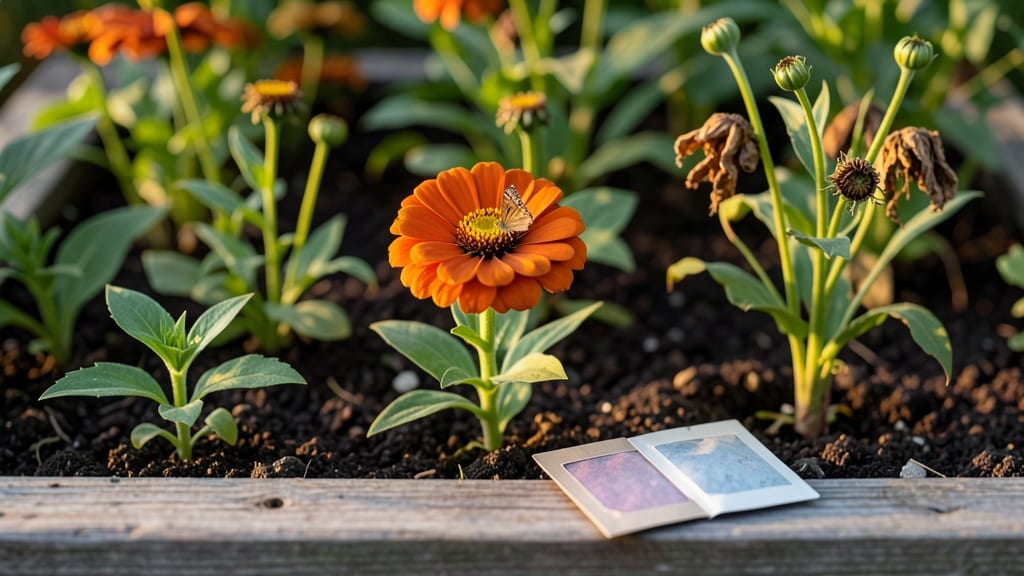
Succession planting flowers means never saying goodbye to summer color again. 🌻 I used to dread the day my annuals faded—until I discovered how to stitch together blooms so the garden stays vibrant from spring until frost.
The secret isn't complicated: it's about timing, choosing the right flowers, and letting one variety hand the baton to the next.
Start with early bloomers like sweet alyssum and snapdragons, then follow with cosmos, zinnias, and sunflowers as they fade. Each group gets planted in waves every 3-4 weeks, ensuring fresh blooms take over just as the last ones start to wilt.
You'll need a mix of heat-tolerant and cool-season varieties to bridge the gap between spring and fall, but the payoff is a garden that never looks tired.
Imagine walking through your yard in August and finding every corner still alive with color—no sad gaps, no barren patches. The key is spacing plants so they overlap in bloom time, creating that seamless transition where one flower's job ends and another's begins.
Even my black thumb can pull this off with the right varieties and a simple planting calendar.
This works for any garden size, from small containers to large borders. The only requirement is planning ahead—once you've got the rhythm down, you'll wonder why you ever let flowers disappear. Let's get those blooms lined up for a season-long show!
📚 In This Guide
- What you need
- Instructions
- Tips and common mistakes
- Wrapping up and next steps
What you need
- ● Flower seeds or seedlings: Choose fast-growing annuals (e.g., zinnias, marigolds, cosmos) or biennials (e.g., sweet william, snapdragons) for staggered planting.
- ● Quantity: Adjust based on your garden size—aim for 10–20 plants per square foot for dense blooms.
- ● Garden soil or potting mix: Type: Well-draining, nutrient-rich soil (amend with compost for extra fertility).
- ● Quantity: Enough to fill raised beds or refresh existing garden plots (typically 1–2 cubic yards for a 10’x10’ area).
- ○ Organic fertilizer (optional but recommended): Type: Slow-release granular (e.g., 10-10-10) or liquid bloom booster (e.g., fish emulsion).
- ● Quantity: Follow package rates (usually 1–2 lbs per 100 sq ft).
- ● Hand trowel or transplanting spade (for precise seed/seedling placement).
- ● Garden gloves (to protect hands from thorns or soil).
- ● Watering can or hose with gentle nozzle (avoid blasting seeds!).
- ● Ruler or measuring tape (to space plants 6–12 inches apart, depending on variety).
- ● Plant labels & markers (to track varieties and planting dates).
- ● A sunny garden spot (most flowers need 6+ hours of sunlight daily).
- ● Knowledge of your USDA hardiness zone (to align planting times with frost dates).
- ● A planting schedule (see our succession planting calendar for timing tips!).
Step-by-Step instructions for succession planting flowers
Here’s how I keep my garden bursting with color all season long—no bare patches, no wasted space.
🌱 Step 1: Plan Your Succession Schedule
Start by grouping flowers with similar bloom times and days to maturity. For example, pair fast-blooming cosmos (45 days) with slightly slower zinnias (60 days) so you stagger their peak seasons. I like to map out a simple chart with rows for early, mid, and late summer bloomers—this ensures one variety always takes over as another fades.
Check seed packets for first frost dates in your zone. If your last frost is May 15, count back from that date to determine when to sow each batch. For instance, if marigolds take 60 days to bloom, plant them by March 15 for continuous color. Don’t forget to leave space for a final fall planting of frost-tolerant flowers like pansies.
☀️ Step 2: Prepare Beds for Staggered Plantings
Clear out spent annuals or weeds from your planting area, then loosen the soil to a depth of 6-8 inches with a garden fork. I mix in 2-3 inches of compost to replenish nutrients—this is especially important if you’re planting multiple batches in the same spot. Avoid tilling too deep; you’ll disturb roots of any perennials lurking below.
Divide your bed into sections if needed. For example, I dedicate one side to early bloomers (like sweet alyssum) and another to mid-season stars (like snapdragons). This keeps things organized and makes it easier to track when each group needs replanting. Water the bed thoroughly before planting to help seeds settle into the soil.
🌿 Step 3: Sow Seeds in Staggered Rows
Plant your first batch of seeds according to the packet’s depth guidelines—usually twice the seed’s diameter. Space them slightly closer than recommended (about half the mature spacing) so you can thin later without wasting seeds. For example, if zinnias need 12 inches apart at maturity, sow them 6 inches apart initially.
Mark the planting date on a small stake or use a garden journal to track when each batch went in. After the first seeds sprout, thin to the recommended spacing. Then, sow a second batch of the same flower 2-3 weeks later in the same row. This creates a rolling bloom effect—just as the first flowers fade, the second batch takes over. Repeat this process every 3-4 weeks until your desired season ends.
💧 Step 4: Maintain Consistent Water and Care
Newly planted seeds need consistent moisture to germinate, so water lightly every 1-2 days until sprouts appear. Once seedlings emerge, reduce frequency to every 3-4 days, watering deeply to encourage strong root growth. I use a soaker hose to avoid disturbing the soil—this is especially important for delicate seedlings.
Fertilize lightly with a balanced 10-10-10 mix when seedlings are 3-4 inches tall, then again when they flower. Avoid over-fertilizing, which can lead to lush foliage but fewer blooms. Deadhead spent flowers regularly to encourage more blooms and extend each variety’s season. This keeps your garden looking fresh and prevents gaps between plantings.
⏰ Step 5: Extend the Season with Fall Plantings
As summer winds down, prepare for fall by planting cool-season flowers like pansies, calendulas, or snapdragons in early September. These varieties thrive in cooler weather and often bloom until the first hard frost. I like to mix them with ornamental kale or cabbage for a late-season pop of color and texture.
Protect tender fall plantings with a lightweight row cover if frost threatens. This buys you an extra 2-4 weeks of blooms and keeps your garden vibrant well into autumn. By planning ahead, you’ll avoid the dreaded “summer slump” and enjoy a garden that stays lively from spring to frost.
Tips & tricks for perfect succession planting
Here's what I've learned after years of keeping my garden blooming nonstop—these tricks make all the difference between a patchy display and a vibrant, continuous show.
Seasonal Planning: Start by creating a simple chart with your last frost date as your anchor point. For example, if your last frost is May 15, count backward from there using each flower's days-to-maturity (like those 45-day cosmos or 60-day zinnias mentioned in Step 1). I like to use colored pencils—one for early bloomers, one for mid-season, and one for late—so I can visualize the color progression throughout the season. This visual planning prevents those awkward gaps between plantings.
Soil Preparation: Don't underestimate the importance of that 6-8 inch soil loosening in Step 2. I've found that adding a handful of worm castings along with your 2-3 inches of compost gives seedlings an extra boost. The castings contain beneficial microbes that help roots establish faster, which is especially important when you're planting multiple batches in quick succession. Think of it as giving your plants a head start in the race to fill your garden with color.
Thinning Strategy: When you're thinning those initial seedlings in Step 3, save the strongest ones for cuttings. For example, if you're thinning zinnias from 6 inches to 12 inches apart, take the healthiest seedlings and root them in small pots. These can become your next batch of plants for the next succession planting—it's like getting free insurance against gaps in your bloom schedule. Just make sure to keep them well-watered during this transition period.
Watering Wisdom: The key to that consistent moisture in Step 4 is morning watering. I set a timer for every 1-2 days until sprouts appear, then switch to every 3-4 days once seedlings are established. Watering in the morning gives plants time to absorb moisture before the heat of the day. I've also found that adding a thin layer of mulch after watering helps retain moisture and reduces the frequency of watering sessions. This is especially helpful when you're juggling multiple plantings.
Pro Tips for Succession Planting Flowers
- Here's what I've learned after years of keeping my garden blooming nonstop—these tricks make all the difference between a patchy display and a vibrant, continuous show.
- Seasonal Planning: Start by creating a simple chart with your last frost date as your anchor point.
- Soil Preparation: Don't underestimate the importance of that 6-8 inch soil loosening in Step 2.
Frequently asked questions
Got questions about keeping your flower beds vibrant all season long?
Here are answers to the most common queries about succession planting flowers—so you can enjoy nonstop blooms without the guesswork!
What does "succession planting" mean for flowers?
Succession planting is the art of staggering flower varieties so that as one type fades, another takes over. Think of it like a relay race—each bloom passes the baton to the next, ensuring your garden stays colorful and full from spring to frost. Pro tip: Start with fast growers (like zinnias or marigolds) followed by mid-season bloomers (e.g., cosmos) and late-season stars (e.g., asters).
When is the best time to start succession planting flowers?
Timing depends on your climate, but most gardeners begin 4–6 weeks before the last frost for cool-season flowers (e.g., pansies, snapdragons) and after soil warms (around 60°F) for heat-lovers like sunflowers or petunias. Hot tip: Check seed packets for "days to maturity"—plant new batches every 2–3 weeks for continuous blooms.
Can I succession plant perennials, or is it just for annuals?
Succession planting is primarily for annuals since they complete their life cycle in one season. However, you can strategically layer perennials with annuals to fill gaps. For example, plant coreopsis (a long-blooming perennial) alongside sweet alyssum (annual) to extend its show. Bonus: Deadhead perennials aggressively to encourage reblooming!
What if my flowers don’t bloom as expected?
Gaps in blooms often stem from overcrowding, poor soil, or lack of sunlight. Troubleshoot by:
- Thinning seedlings to avoid competition.
- Adding compost or a balanced fertilizer (like 10-10-10) at planting.
- Ensuring 6–8 hours of sun daily (check your garden’s light zones).
Are there low-maintenance flowers ideal for succession planting?
Opt for self-seeding annuals like cosmos, bachelor’s buttons, or nigella—they reseed themselves, reducing your workload. Marigolds and zinnias are also forgiving and thrive with minimal fuss. Pro move: Pair them with drought-tolerant perennials (e.g., lavender, sedum) to cut back on watering.
Still stumped? Drop your specific flower or zone in the comments—we’re happy to help tailor a plan!
Wrapping up and next steps
Succession planting flowers isn’t just a gardening trick—it’s your ticket to a nonstop parade of color and fragrance all season long! By strategically timing your plantings, you’ll banish those frustrating gaps between blooms and keep your garden thriving with minimal effort.
Whether you’re a seasoned green thumb or a curious beginner, this method makes flower gardening feel like a celebration instead of a chore.
Ready to put your new skills to work? Start small—pick one flower type or bed this week and track your progress. Soon, you’ll be the neighbor everyone admires for that endless, effortless beauty! 🌸🌺