
Diseases
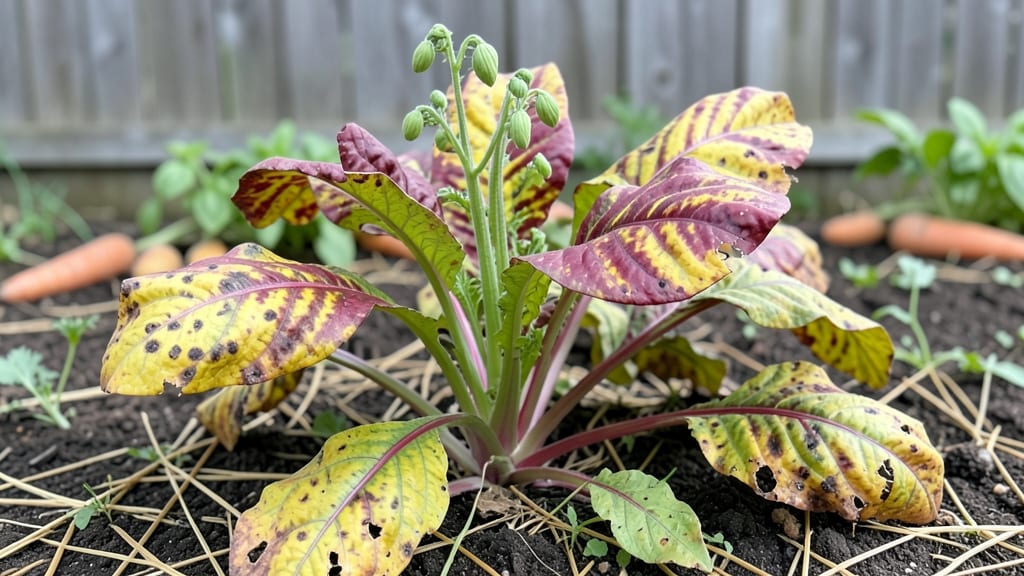
Those sad, yellowing leaves on your Swiss chard aren’t just ugly—they’re a sign of swiss chard plant diseases creeping in, and the fix starts with knowing exactly what’s wrong. 🌿 what’s wrong. The good news? Most of these problems have simple, organic solutions that work without harsh chemicals.
Fungal diseases like leaf spot or downy mildew love damp chard, while bacterial spots show up as greasy brown patches. The real culprit is usually poor air circulation, overwatering, or old mulch harboring spores.
My first season, I lost half my harvest to a fungal outbreak—until I swapped heavy mulch for straw and thinned the plants for airflow. That one change made all the difference.
You’ll fix the problem by removing infected leaves immediately, treating with a copper fungicide or neem oil spray, and adjusting watering to keep soil moist but never soggy.
Within a week, new growth will push out clean and vibrant. The key is acting fast—once the disease spreads, even organic treatments take longer to turn things around.
This works for container-grown chard too—just make sure pots have drainage and you’re not overcrowding. Prevention is easier than cleanup, so I’ll show you how to keep your chard thriving all season long. Let’s get those leaves back to their bold, healthy colors.
Underlying Triggers Explained
Swiss chard may seem resilient, but its vibrant leaves can quickly turn yellow, wilt, or develop unsightly spots due to a mix of environmental stressors, microbial invaders, and poor growing conditions.
Understanding the why behind these issues is key to preventing them—so let’s break down the root causes, from fungal spores lurking in the soil to nutrient imbalances that starve your plants.
Fungi thrive in moist, warm conditions and are the most common culprits behind Swiss chard diseases. Here’s how they strike:
- Downy Mildew (Peronospora farinosa) - Why it happens: This pathogen spreads via wind or water splashes, especially in humid climates (70–80°F) with poor airflow.
It targets young leaves, forming yellow angular spots on the upper leaf surface and a fuzzy gray mold on the undersides. - Key triggers: - Overhead watering (keeps leaves damp for hours). - Crowded plants blocking sunlight and airflow. - Cool nights followed by warm, humid days (ideal for spore germination).
- Leaf Spot Diseases (Alternaria, Cercospora, or Septoria) - Why it happens: These fungi overwinter in plant debris or infected soil, then launch when conditions are right.
Look for brown or black circular lesions with yellow halos—classic signs of nutrient leaching from infected tissue. - Key triggers: - Stagnant water on leaves (from poor drainage or rain). - High nitrogen fertilizer (weakens plant defenses). - Monocropping Swiss chard in the same spot year after year (builds up fungal reservoirs).
- Powdery Mildew (Erysiphe spp.) - Why it happens: Unlike downy mildew, this fungus loves dry heat (60–80°F) with low humidity.
It coats leaves in a white, powdery film, reducing photosynthesis and causing yellowing. - Key triggers: - Lack of airflow (dense plantings or shade from taller crops). - Stress from drought or overwatering (weakens plant immunity). - High phosphorus levels in soil (encourages fungal growth).
Swiss chard is a heavy feeder, and deficiencies—especially in magnesium, nitrogen, or iron—can mimic disease symptoms like yellowing. Here’s how it happens:
- Magnesium Deficiency (Interveinal Chlorosis) - Why it happens: Magnesium is crucial for chlorophyll production, and it’s often leached from soil by overwatering or acidic conditions (pH < 6.0).
Symptoms start as yellowing between leaf veins, progressing to brown, crispy edges. - Key triggers: - Heavy clay soils that retain water but block root absorption. - Excessive potassium (competes with magnesium uptake). - Older leaves (magnesium is mobile in plants, so it gets "stolen" from lower leaves first).
- Iron Chlorosis (Yellowing Between Veins) - Why it happens: Iron is immobile in plants, so deficiency causes young leaves to turn yellow while veins stay green.
This often occurs in alkaline soils (pH > 7.0), where iron becomes unavailable to roots. - Key triggers: - Calcareous or sandy soils (low organic matter). - Over-fertilizing with lime (raises pH further). - Compacted soil (roots can’t access iron in deeper layers).
- Nitrogen Shortage (Overall Pale Yellowing) - Why it happens: Nitrogen is the building block of chlorophyll and protein.
A deficiency slows growth, causing uniform yellowing (not just between veins) and stunted leaves. - Key triggers: - Poor soil organic matter (nitrogen is tied up in decomposed material). - Leaching from frequent rain or irrigation (nitrogen washes away). - Over-tilling (disrupts beneficial microbial nitrogen-fixers).
Even the hardiest Swiss chard struggles when its environment goes rogue. These physical factors weaken plants, making them vulnerable to diseases or nutritional disorders:
- Overwatering or Poor Drainage - Why it happens: Waterlogged roots suffocate plants, preventing nutrient uptake and inviting root rot (Phytophthora).
Symptoms include yellowing leaves, wilting, and blackened stems at the base. - Key triggers: - Containers without drainage holes (traps excess moisture). - Heavy clay soil that doesn’t dry between waterings. - Frequent rain + no mulch (keeps soil soggy for days).
- Underwatering or Drought Stress - Why it happens: Swiss chard needs consistent moisture—drought causes leaf edges to curl and yellow as the plant conserves water.
Severe stress weakens cell walls, making leaves prone to sun scald or fungal entry points. - Key triggers: - Inconsistent irrigation (e.g., deep watering once a week vs. daily light sprinkles). - Shallow root systems (common in sandy soil). - High temperatures (>90°F) with no shade.
- Extreme Temperature Swings - Why it happens: Swiss chard tolates cold (down to 20°F) but wilts in heat (>85°F).
Sudden shifts—like hot days followed by cold nights—disrupt metabolic processes, causing yellowing, stunted growth, or blossom-end rot. - Key triggers: - No mulch to regulate soil temperature. - Late spring/early fall planting (unpredictable weather). - Plastic mulch (traps heat and dries out roots).
Pests don’t just eat leaves—they create wounds that invite disease. Here’s how they set the stage for yellowing and decay:
- Aphids & Spider Mites - Why it happens: These sap-suckers inject toxins that cause yellow stippling or curling.
Their honeydew attracts sooty mold, a black fungal growth that blocks sunlight and accelerates leaf yellowing. - Key triggers: - Dry, hot conditions (mites thrive in low humidity). - Weak plants (from over-fertilizing or drought).
- Flea Beetles - Why it happens: Their tiny holes in leaves create entry points for bacteria and fungi.
Heavy infestations lead to shotgun-like yellowing as cells rupture. - Key triggers: - Early spring planting (beetles emerge when chard is young). - Stale seedbeds (old crop residues attract adults).
- Cutworms or Slugs - Why it happens: These chewers sever stems or eat entire leaves, causing sudden wilting and yellowing.
The stress from damage reduces the plant’s ability to fight off pathogens. - Key triggers: - Moist, shaded areas (slugs love hiding under mulch). - Nighttime feeding (cutworms are most active after dark).
Fixing Swiss Chard Diseases Naturally
Swiss chard is a resilient crop, but when diseases strike, quick action can save your harvest. Below, we map common swiss chard plant diseases to practical, organic solutions—plus prevention tips to keep your greens thriving.
Cause: Overwatering, poor airflow, or fungal spores (like Alternaria or Cercospora) thrive in damp conditions.
How to Fix It:
- 🔥 Remove infected leaves immediately to stop the spread. Drop them in a sealed bag (not compost) to prevent reinfection.
- 🍳 Apply a copper fungicide spray (organic options like Bonide Copper Fungicide) every 7–10 days until new growth appears.
- 👨🍳 Improve airflow by spacing plants 12–18 inches apart and pruning neighboring foliage that blocks sunlight.
Prevention Tips: ✔ Water at the base in the morning to let leaves dry quickly. ✔ Rotate crops—don’t plant chard in the same spot yearly. ✔ Use mulch (straw or grass clippings) to reduce soil splashes onto leaves.
Cause: Humid weather + crowded plants = perfect conditions for Peronospora fungi.
How to Fix It:
- 🥘 Spray with a baking soda mix (1 tsp baking soda + 1 quart water + a few drops of dish soap) weekly.
- ⏰ Avoid watering overhead—use drip irrigation or a watering can with a nozzle.
- 🔪 Thin out plants if they’re too dense; aim for 6–8 inches between stems.
Prevention Tips: ✔ Choose resistant varieties like ‘Bright Lights’ or ‘Fordhook Giant’. ✔ Space rows 2 feet apart for better airflow. ✔ Harvest regularly to encourage airflow and reduce humidity near soil.
Cause: High heat + low humidity + poor circulation = fungal feast.
How to Fix It:
- 🌡️ Neem oil spray (1 tbsp neem oil + 1 quart water + a drop of soap) applied every 5–7 days until cleared.
- 🎯 Move plants to partial shade if possible (powdery mildew loves full sun).
- 💡 Wipe leaves with a damp cloth to physically remove spores.
Prevention Tips: ✔ Plant in well-draining soil—waterlogged roots stress plants. ✔ Avoid overhead watering—use soaker hoses instead. ✔ Interplant with marigolds—they repel pests that spread mildew.
Cause: Bacteria (Xanthomonas or Pseudomonas) spread via water, tools, or contaminated seed.
How to Fix It:
- 🔪 Cut off severely infected leaves and disinfect pruners with rubbing alcohol.
- 🍳 Use a hydrogen peroxide spray (1 tbsp 3% H₂O₂ per quart of water) weekly.
- 🌱 Replace contaminated soil—bacteria persist in the ground.
Prevention Tips: ✔ Sterilize tools between plants with bleach water (1:10 ratio). ✔ Avoid wetting leaves when watering. ✔ Rotate crops—don’t plant brassicas (like kale) in the same bed.
| Problem | Quick Fix | Long-Term Fix |
|---|---|---|
| Overwatering | Let soil dry between waterings | Improve drainage with compost |
| Poor airflow | Prune crowded plants | Space rows wider next season |
| Contaminated tools | Clean with bleach or alcohol | Keep a separate toolkit for chard |
| Stressed plants | Fertilize with compost tea | Test soil pH (aim for 6.0–7.0) |
Pro Tip: 💡 Healthy soil = healthier plants! Amend beds with compost and worm castings before planting to boost natural resistance.
By acting fast and adjusting care habits, you can reverse damage and protect future harvests. Happy growing! 🌱
Frequently asked questions
How do I tell if my Swiss chard has a fungal disease vs. nutrient deficiency?
Check the leaf pattern: fungal diseases like leaf spot show brown/black spots with yellow halos, while deficiencies cause uniform yellowing. Fungal issues often appear on older leaves first, while deficiencies strike new growth (especially iron/chlorosis). Test soil pH—if it's <6.0 or >7.0, amend with lime or sulfur before treating.
Can I still harvest Swiss chard leaves if they have minor disease spots?
Yes, but remove only the most infected leaves. Healthy tissue around spots is safe to eat—just avoid heavily damaged areas. Wash leaves thoroughly before cooking. For severe cases, harvest the entire plant and compost it (in a sealed bin) to prevent spreading spores to other plants.
Why does my Swiss chard get powdery mildew even when I water at the base?
Powdery mildew thrives on high heat + low humidity, not just water. Even with proper watering, crowded plants or poor airflow create microclimates perfect for spores. Thin plants to 12 inches apart and add reflective mulch (like aluminum foil) to reduce leaf stress from direct sun.
Will copper spray harm beneficial insects like bees?
Copper fungicides are generally safe for bees when applied after sunset and only on dry leaves. Avoid spraying flowers directly. For extra protection, use a neem oil mix (1 tbsp neem + 1 quart water) during daytime—it’s bee-friendly and effective against many fungal pathogens.
How long does it take to see improvement after treating fungal diseases?
With organic treatments like neem oil or copper spray, you’ll typically see new growth in 7–10 days. Stop treating once fresh leaves emerge without symptoms. For bacterial issues, improvement may take 2–3 weeks—replace contaminated soil if needed to prevent recurrence.