Size
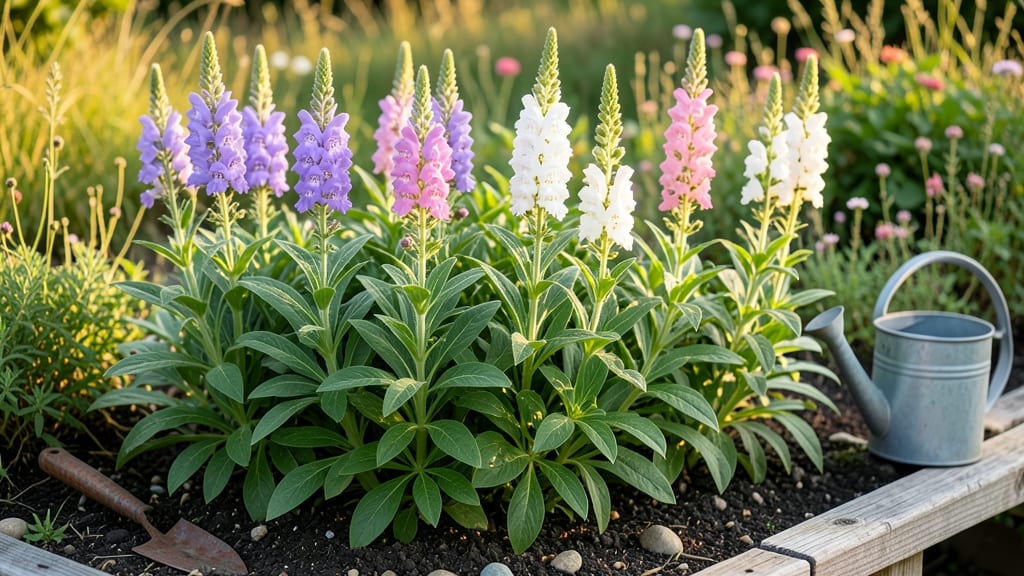
The tall snapdragon plants you grow will turn your garden into a breathtaking vertical show that draws all eyes—these striking bloomers soar 3 to 5 feet high, outshining nearly every other flower. 🌿 I remember my first attempt—planting them too close together, and by midsummer, they leaned like drunken dancers instead of standing proudly.
The secret to their showstopping stature lies in the right conditions: 6+ hours of sunlight daily, well-draining soil rich in organic matter, and consistent moisture without soggy roots.
Most gardeners overlook spacing—plant them 12-18 inches apart to prevent competition, and use sturdy stakes or cages early to support their rapid growth. The payoff? Snapdragons that bloom from late spring through fall, their spiky flowers nodding gracefully in the breeze.
What makes tall snapdragons special is their three-season performance and versatility. Unlike shorter varieties, they thrive in borders, containers, or even as cut flowers—each stem lasting 7-10 days in a vase. The key to keeping them upright?
Prune spent blooms regularly to encourage new growth, and avoid heavy heads of rain that can flatten their stems. With the right care, these plants become the backbone of your garden's vertical drama.
Perfect for cottage gardens, mixed borders, or even as dramatic backyard accents. Once you grow them, you'll never go back to shorter varieties—they're the foolproof way to add height without the fuss of climbing plants. Here's how to make them thrive in your space!
📚 In This Guide
- What you need
- Instructions
- Tips and common mistakes
- Wrapping up and next steps
What you need
- ● Snapdragon seeds or seedlings: Choose tall varieties like Antirrhinum majus (e.g., 'Rocket Series' or 'Tall Hybrid'). Aim for 5–10 seeds or seedlings per pot or garden bed.
- ● Well-draining potting mix: 1–2 bags (5–10 quarts each) of high-quality mix with perlite or sand for aeration.
- ● Containers or garden space: For pots: 5–6 inch diameter containers (1 per plant) or gallon-sized pots (2–3 plants per pot).
- ● For gardens: Full sun (6+ hours/day) and loose, fertile soil with a pH of 6.0–7.0.
- ● Slow-release fertilizer: 1–2 cups of 10-10-10 or organic options like composted manure.
- ● Watering can or hose: With a gentle spray nozzle for seedlings.
- ● Stakes or cages: 4–6 inch wooden stakes or tomato cages (1 per plant) to support tall stems.
- ● Gloves and pruning shears: For handling plants and deadheading.
- ● Seed-starting kit: Includes trays, domes, and heating mats if starting indoors.
- ● Mulch: Straw or shredded bark to retain moisture.
- ● Liquid fertilizer: Diluted fish emulsion or bloom booster for mid-season feeding.
- ○ Grow lights: Optional for indoor seedlings (12–16 hours/day).
How to grow tall snapdragons for dramatic vertical impact
Here's the foolproof method I use to coax snapdragons into towering, bloom-filled spires that dominate any garden bed.
🌱 Step 1: Prepare the Planting Site for Maximum Height
Snapdragons need well-draining soil rich in organic matter to support their 2-3 foot vertical growth. Amend your garden bed with 2-3 inches of compost mixed into the top 12 inches of soil. I like to work in a handful of slow-release fertilizer at planting time to give stems the strength they need to reach their full height potential.
Choose a location with full sun exposure (at least 6-8 hours daily). While snapdragons tolerate partial shade, they'll stretch and become leggy without sufficient light. Test your spot by observing how long sunlight lingers—any area where shadows disappear by mid-morning works perfectly. The key is consistent light exposure throughout the day.
💧 Step 2: Plant Seeds at Proper Spacing for Airflow
Sow seeds ¼ inch deep in rows spaced 12-18 inches apart to allow for mature plant width. I plant 4-5 seeds per inch initially, then thin to 6-8 inches apart when seedlings reach 3-4 inches tall. Proper spacing prevents fungal diseases by ensuring good air circulation around stems.
Water gently after planting to settle the soil around seeds. Avoid overwatering—snapdragon seeds rot easily when kept too moist. You'll see first true leaves emerge in 7-14 days, signaling it's time to begin thinning. Use small scissors to snip unwanted seedlings at soil level rather than pulling, which disturbs roots of remaining plants.
☀️ Step 3: Support Vertical Growth with Strategic Staking
Install 4-5 foot tall stakes or tomato cages at planting time to provide support as stems elongate. I prefer bamboo stakes because they're sturdy yet flexible enough to accommodate natural plant sway. Place stakes 2-3 inches from each plant to prevent stem damage as they grow.
As plants reach 12-18 inches, gently tie stems to stakes using soft plant ties or old fabric strips. Never use wire—it can cut into tender stems. The goal is to guide growth upward while allowing natural movement. You'll notice stems grow straighter and more upright with proper support, reducing the risk of snapping in wind or rain.
✂️ Step 4: Deadhead and Prune for Continuous Blooming
Remove spent blooms by snipping the stem just above the third leaf node below the flower. This encourages the plant to produce new side shoots that develop into additional flower spikes. I perform this pruning every 2-3 days during peak bloom to maintain the plant's vertical form and prolong flowering.
For particularly leggy stems, pinch back the top 2-3 inches of growth to promote bushier, more compact plants. This technique redirects energy from vertical growth to lateral branching, creating fuller plants that support more blooms. Always use clean, sharp pruners to prevent disease transmission between plants.
🌿 Step 5: Maintain Soil Moisture Without Overwatering
Water deeply 2-3 times per week, providing 1 inch of water each session. Snapdragons develop shallow roots that dry out quickly in hot weather. You'll know your watering is correct when the top 1-2 inches of soil feel dry to the touch between waterings.
Mulch around plants with 2-3 inches of organic mulch to retain moisture and regulate soil temperature. I use straw or shredded leaves because they break down slowly while preventing weed competition. Avoid thick mulch layers—more than 3 inches can smother stems and encourage rot at the base.
Tips & tricks for growing towering snapdragons
Here's what I've learned over years of growing snapdragons that reach their full dramatic height potential.
Soil Preparation Secret: The key to those impressive 2-3 foot stems starts with the soil foundation. After amending with 2-3 inches of compost, I run a soil test to check pH levels—snapdragons thrive in slightly acidic soil between 6.7-7.4. If your soil tests higher, mix in a bit of peat moss to lower the pH naturally. This small adjustment makes all the difference in stem strength and bloom production. The organic matter we're adding provides the nutrients needed for that vertical growth, but the pH balance is what unlocks their full potential.
Light Exposure Strategy: Those 6-8 hours of daily sun are non-negotiable for vertical growth. I've found that planting on the south side of structures creates a microclimate with extended sunlight. If you're working with partial shade, choose varieties like 'Black Knight' that tolerate lower light better. The real test comes in late afternoon—if shadows linger past 4pm, your snapdragons will struggle to reach their full height. Consider supplementing with a small grow light if your location falls short during critical growth periods.
Staking Technique: When installing those 4-5 foot tall stakes in Step 3, I recommend positioning them slightly off-center from the plant rather than directly beside it. This creates a natural angle that helps guide stems upward without restricting their movement. For extra stability, I drive stakes deeper than you might think—about 12 inches into the ground. The deeper they go, the less they'll wobble in wind, which is especially important as stems reach their full height. I also like to use two stakes per plant for particularly tall varieties, creating an 'A-frame' support system.
Pruning Precision: The third leaf node below the flower is a critical reference point for deadheading in Step 4. To make this easier, I use small colored flags or plant markers to identify these nodes during peak bloom. When pruning leggy stems, I make my cuts at a 45-degree angle just above a leaf node where new growth can emerge. This angled cut helps water run off rather than pool on the stem, reducing the risk of rot. I've found that consistent pruning every 2-3 days during bloom keeps plants compact and encourages continuous flowering throughout the season.
Pro Tips for Tall Snapdragon Plants
- Here's what I've learned over years of growing snapdragons that reach their full dramatic height potential.
- Soil Preparation Secret: The key to those impressive 2-3 foot stems starts with the soil foundation.
- Light Exposure Strategy: Those 6-8 hours of daily sun are non-negotiable for vertical growth.
Frequently asked questions
Got questions about growing tall snapdragon plants? You’re not alone!
Here are some of the most common queries—plus quick, practical answers to help you cultivate those show-stopping vertical blooms with confidence.
How tall can snapdragon plants actually grow?
Most tall snapdragon varieties, like Antirrhinum majus, reach 2 to 4 feet in height, though some dwarf types stay under 1 foot. For dramatic vertical displays, opt for ‘Rocket’ or ‘University of California Series’—they’ll soar like fireworks! Stake or cage them early to prevent flopping, especially in windy spots.
When is the best time to plant tall snapdragons for year-round blooms?
For continuous color, plant in early spring (after frost) and again in late summer (6–8 weeks before your first fall frost). Snapdragons thrive in cool weather—60–75°F is ideal. In warm climates (Zones 8–10), use shade cloth in peak summer to prevent bolting (premature flowering).
Why are my tall snapdragons leaning or falling over?
Leaning stems usually mean poor support or overcrowding. Here’s how to fix it:
Snapdragons love containers—just choose a deep pot (12+ inches) with drainage holes. Use a well-draining potting mix (add perlite or sand) and fertilize lightly every 2–3 weeks with a balanced 10-10-10 formula. For extra height, place pots near tall trellises or obelisks. If snapdragons don’t fit your space or climate, try these stunning vertical bloomers:
All pair beautifully with snapdragons for layered, whimsical height in borders!
Can I grow tall snapdragons in containers? What’s the best setup?
Are there alternatives to tall snapdragons for vertical gardens?
Wrapping up and next steps
Growing tall snapdragon plants is a rewarding way to add drama and vertical interest to your garden—no matter the season! With the right soil, sunlight, and care, these vibrant blooms will thrive and bring joy for months.
Whether you're a beginner or a seasoned gardener, the key is patience and attention to their needs.
Ready to watch your garden transform? Start by planting your seeds or seedlings today—and don’t forget to share your progress with fellow plant lovers! 🌸✨