Size
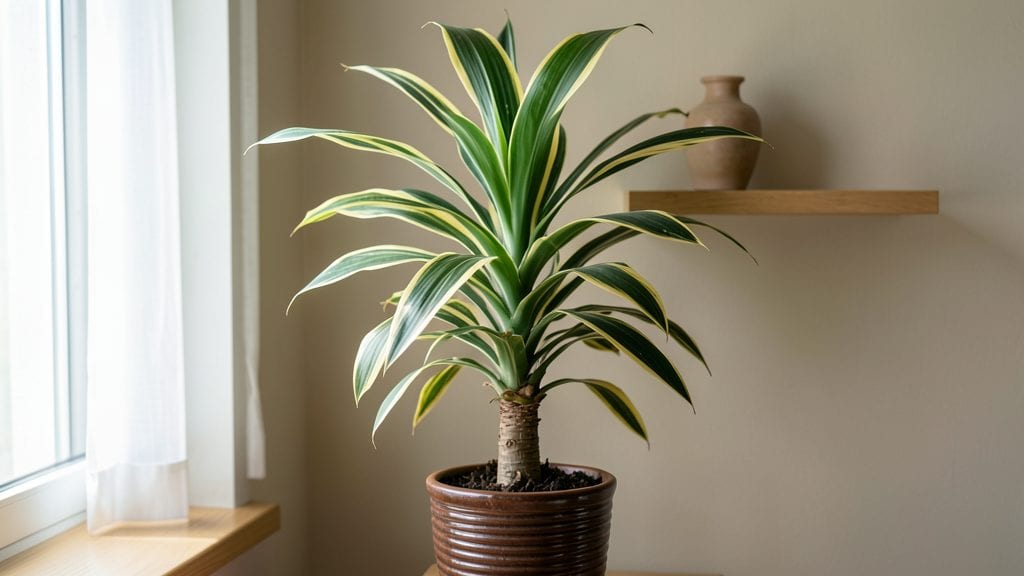
Tall vase plants instantly transform any space into a lush vertical statement. 🌿 I’ve filled my living room with towering Dracaenas and orchids that reach for the ceiling, creating drama where plain walls once stood.
These plants aren’t just decor—they’re conversation starters that bring nature’s height indoors or outdoors, whether in a sunlit foyer or a shaded patio corner.
The secret to keeping them thriving lies in the right containers and care routine. Deep, sturdy vases with drainage holes prevent root rot, while occasional pruning at the base encourages fresh growth.
For indoor setups, rotate plants weekly to ensure even light exposure—uneven growth is the fastest way to lose that elegant silhouette. Outdoor varieties like Pampas grass need well-draining soil and full sun to maintain their sky-scraping structure.
You’ll love how these plants elevate any arrangement, whether paired with trailing ivy for contrast or clustered in odd-numbered groups for balance. The right tall plant can make a small room feel grand or turn a plain entryway into a statement piece.
Think of them as your vertical garden’s backbone—they’ll hold up your design while adding texture, color, and that unmistakable "wow" factor.
Works equally well for modern minimalists or cottage-core enthusiasts. The key is matching plant heights to your space’s scale—tall orchids in a sleek glass vase feel different from Pampas grass in a rustic clay pot, but both deliver that same jaw-dropping vertical impact. Let’s get growing upward!
📚 In This Guide
- What you need
- Instructions
- Tips and common mistakes
- Wrapping up and next steps
What you need
- ● Tall vase or container: Height: 12–36 inches (adjust based on plant size)
- ● Width: 4–12 inches (proportional to height for stability)
- ● Material: Ceramic, glass, metal, or fiberglass (ensure drainage holes if potted)
- ● Potting soil: Well-draining, moisture-retentive mix (e.g., 60% peat/coir, 30% perlite, 10% compost)
- ● Tall vase plants: Choose 1–3 plants per vase (e.g., Dracaena, Snake Plant, Bird of Paradise, or Ficus)
- ● Watering can or spray bottle: Narrow spout for precision
- ● Pruning shears: Sharp, sterilized (for trimming)
- ○ Support stakes or trellis: Optional but helpful for top-heavy plants (e.g., bamboo stakes or metal grids)
- ● Decorative pebbles or moss: For a Zen aesthetic at the base
- ● LED grow lights: If placing in low-light areas
- ● Fertilizer (slow-release or liquid): For extra lush growth
- ● Spray bottle with distilled water: To mimic humidity for tropical plants
- ● Plant food or decorative topper: For a finishing touch (e.g., a small statue or succulent)
Step-by-Step guide to creating a stunning tall vase plant display
Here's how to craft a dramatic vertical garden that brings height and sophistication to any space.
🪴 Step 1: Select Your Tall Plant Varieties
Choose plants that naturally grow 3 feet or taller for maximum impact. Snake plants, Dracaena marginata, and bird-of-paradise make excellent choices—they thrive in containers and add architectural interest. I always pick 4 plants to create balanced height and texture, mixing leaf shapes and colors for visual appeal.
Check the mature height labels on plant tags—some varieties like bamboo or palm trees grow much taller than expected. For a 4-plant arrangement, select one focal plant (like a dramatic Dracaena) and three complementary varieties. Arrange them by height from tallest in the center to shortest at the edges for natural balance.
🌿 Step 2: Prepare Your Containers and Drainage
Use ceramic or terracotta pots with drainage holes—these materials breathe and prevent root rot. I like to nest pots of varying sizes (from 6 to 12 inches wide) to create visual layers. Place the largest pot at the base and stack smaller pots on top, ensuring each has its own drainage system.
Line the bottom of each pot with 2-3 inches of gravel or perlite to create an air pocket. This prevents waterlogging while allowing excess moisture to drain away. For extra stability, place a small piece of landscape fabric over the drainage holes before adding soil—this keeps your growing medium from washing out while still allowing water to flow freely.
☀️ Step 3: Plant and Arrange for Height Balance
Fill each pot with well-draining potting mix, leaving 1 inch of space at the top. Plant your selected varieties, burying stems just deep enough to stabilize them without covering the crown. I always plant the tallest variety in the center pot to create a natural focal point, then arrange the remaining three around it in a pyramid shape for visual interest.
Step back and view your arrangement from different angles—this ensures the tallest plants won't block light from shorter varieties. If a plant looks out of place, gently reposition it. Water each plant thoroughly after planting to settle the soil and encourage root establishment. Let the soil dry slightly between waterings to prevent over-saturation, which can cause root rot in container plants.
💧 Step 4: Set Up Proper Light and Watering
Place your vase plant display in a location with bright, indirect light—most tall tropical plants need 4-6 hours of sunlight daily but can scorch in direct afternoon sun. A north or east-facing window is ideal, or use a grow light positioned 12-18 inches away if natural light is insufficient.
Water when the top inch of soil feels dry to the touch, typically every 7-10 days. I always water at the base to keep foliage dry, which prevents fungal diseases. Use room-temperature water to avoid shocking the roots, and empty saucers after 10 minutes to prevent soggy soil. Fertilize monthly during growing season with a balanced liquid fertilizer to support steady growth.
⏰ Step 5: Maintain and Prune for Long-Term Elegance
Dust leaves regularly with a damp cloth to help them absorb light efficiently. I prune leggy growth in early spring to encourage bushier, more compact plants. Simply trim back the longest stems by one-third just above a leaf node—this stimulates new growth and maintains your plant's elegant shape.
Rotate your display quarter-turn weekly so all sides receive even light exposure. This prevents plants from leaning toward the light source and keeps your arrangement looking symmetrical. Every 6-12 months, refresh the top layer of soil and check roots—if they're circling the pot, it's time to repot into a slightly larger container to support continued vertical growth.
Tips & tricks for perfect tall vase plant arrangements
A few strategic choices will transform your vertical garden from ordinary to extraordinary.
Plant Selection Wisdom: When choosing your 4 plants, focus on mature height labels—not the current size. A 2-foot plant today might reach 5 feet in a year! I always include one variegated plant (like a striped Dracaena) to add visual contrast against solid green varieties. This creates the "wow factor" that makes your arrangement stand out.
Container Stability Strategy: For the stacked pots in Step 2, use a small piece of sandpaper to rough up the bottoms of your ceramic pots before nesting. This creates friction that prevents slipping, especially when you water from the top. I also place a small weight (like a decorative stone) in the largest bottom pot to anchor the entire arrangement.
Lighting Hack: If you're using a grow light for your 4-6 hours of daily light, position it slightly higher than the tallest plant—about 18 inches above the top leaves. This ensures even light distribution across all plants. I rotate my lights weekly to prevent one-sided growth, especially important for your focal plant in the center.
Watering Technique: The 10-minute saucer drainage rule is critical—don't skip it! After emptying saucers, I like to wipe the bottoms of pots with a dry paper towel before returning them to the saucer. This prevents mineral buildup from evaporated water that can clog drainage holes over time.
Pro Tips for Tall Vase Plants
- A few strategic choices will transform your vertical garden from ordinary to extraordinary.
- Plant Selection Wisdom: When choosing your 4 plants, focus on mature height labels—not the current size. A 2-foot pla...
- Container Stability Strategy: For the stacked pots in Step 2, use a small piece of sandpaper to rough up the bottoms ...
Frequently asked questions
Got questions about adding sky-high elegance to your space? Here are some of the most common queries about tall vase plants—plus quick, practical answers to keep your vertical garden thriving!
What are the best tall vase plants for beginners?
Start with low-maintenance stars like Dracaena marginata (Dragon Tree), Snake Plant (Sansevieria), or ZZ Plant (Zamioculcas). These thrive in indirect light, need minimal water, and tolerate occasional neglect—perfect for new plant parents! For a pop of color, try Calathea or Bird of Paradise once you’re comfortable.
How often should I water tall vase plants?
Watering depends on the plant and pot size, but a general rule is to check soil moisture every 1–2 weeks. Stick your finger 1–2 inches into the soil—if it’s dry, water thoroughly until it drains from the bottom. Overwatering is the #1 killer! Use well-draining soil and a pot with drainage holes to prevent root rot.
Can tall vase plants work in small apartments?
Opt for compact varieties like Ponytail Palm or Parlor Palm, or choose slender, vertical designs (e.g., Spider Plant in a hanging vase). Place them near windows for natural light, and rotate them occasionally for even growth. Just avoid drafty spots or direct sun, which can stress delicate leaves.
How do I repot a tall vase plant if it outgrows its container?
Repotting is easiest in spring or early summer. Gently remove the plant, loosen roots, and transfer it to a pot 2–3 inches wider with fresh, well-draining potting mix. Water lightly afterward and avoid fertilizing for 2–4 weeks to reduce shock. Pro tip: If the plant is top-heavy, stake it for support during recovery!
What should I do if my tall vase plant has pests?
Start with a neem oil spray or insecticidal soap for mild infestations (like spider mites or aphids). Wipe leaves with a damp cloth to remove pests manually. For severe cases, isolate the plant and treat with systemic granules. Prevention tip: Inspect new plants before bringing them home and avoid overcrowding!
How can I style tall vase plants in my decor?
Use them as focal points in corners, near sofas, or as room dividers. Pair with metallic or textured vases (ceramic, brass, or glass) to elevate the look. For a boho vibe, mix heights and textures—try a rattan vase with trailing Pothos or a sleek geometric pot with a Monstera. Lighting matters too: place them near lamps to highlight their height!
Wrapping up and next steps
Transforming your space with tall vase plants isn’t just about adding height—it’s about crafting drama, purifying the air, and embracing nature’s vertical artistry.
Whether you’re drawn to the bold statement of a Dracaena marginata or the delicate grace of a Snake Plant, these plants bring effortless sophistication to any room. Now that you’re armed with the right knowledge, why not take the next step?
Start small with a single statement piece, or go bold and design an entire vertical garden—your space (and plants!) will thank you. 🌿✨