
Pests
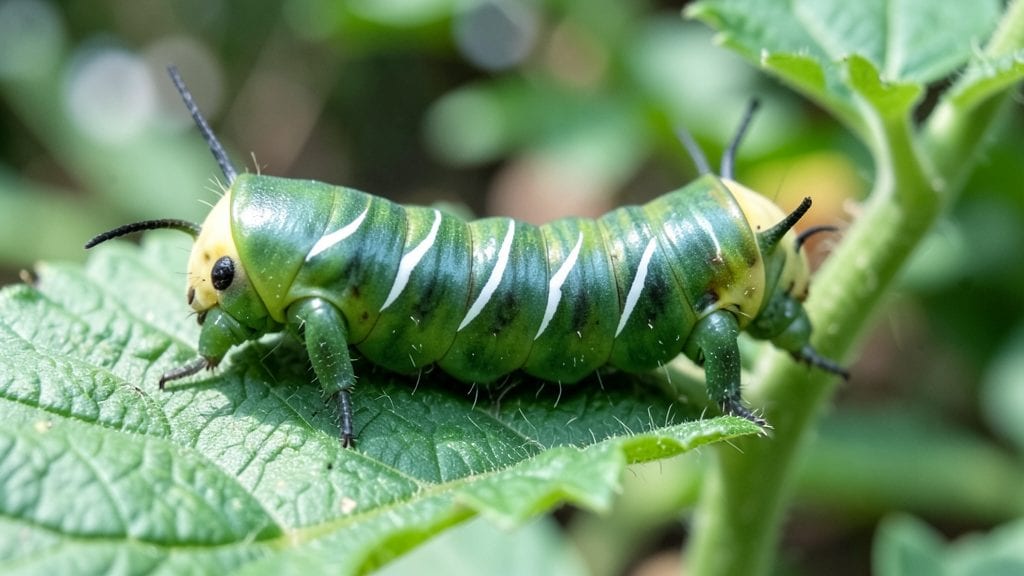
Hornworms can strip your tomato plants bare in days—those plump green caterpillars are the garden's silent nightmare. 🌱 I've lost entire plants to them, but now I know exactly how to spot them early, remove them fast, and keep them from coming back.
The key is acting before the damage gets out of control.
These striped caterpillars blend into foliage until it's too late, and their frass (that black poop) is the first clue they're already feasting. Most gardeners panic and reach for chemicals, but there are better ways—like handpicking them (yes, it's gross but effective) or using neem oil as a natural deterrent.
The best part? These methods work without harming bees or your future harvest.
By next week, your plants will bounce back with stronger growth and fewer surprises. You'll recognize the early warning signs, know which leaves to inspect first, and have a fail-safe system to protect your tomatoes all season. Let's get your garden back on track—without the caterpillar chaos.
This works for both backyard gardens and containers, and the techniques adapt to different tomato varieties. Once you've mastered the basics, you'll spot these pests before they become a problem. Here's how to stay one step ahead of them.
Root Causes Of Caterpillar Attacks
When your tomato plants become a caterpillar buffet, it’s rarely just bad luck—there’s usually a reason these hungry larvae are targeting your garden. Understanding the why behind their behavior is the first step to outsmarting them.
Below, we break down the key factors that turn your thriving tomato plants into a caterpillar’s dream destination.
Tomato plants (Solanum lycopersicum) are part of the nightshade family, which includes other caterpillar magnets like peppers, eggplants, and potatoes. The reason? These plants contain compounds like solanine and alkaloids, which deter many pests—but not caterpillars.
In fact, some species, like the Manduca sexta (tomato hornworm), have evolved to thrive on these very compounds. Their bodies even break down solanine into harmless byproducts, making tomatoes a nutrient-rich, low-risk meal.
💡 Pro Tip: If you notice large, ragged holes in leaves or missing flowers, it’s a dead giveaway that caterpillars are dining on your plants. Young plants are especially vulnerable because their tender leaves are easier to chew through.
Healthy tomato plants have natural defenses, but when they’re stressed—whether from overcrowding, poor soil, or drought—they become easier targets. Stressed plants emit volatile organic compounds (VOCs), which act like a dinner bell for pests, including caterpillar moths.
These moths use their keen sense of smell to locate weakened plants, laying eggs where their offspring will have the best chance of survival.
Common stress triggers:
- 🌡️ Drought stress: Underwatered plants wilt and produce signals that attract egg-laying moths.
- 🌱 Overcrowding: Plants competing for sunlight and nutrients become less resilient.
- 🍄 Fungal or bacterial infections: Diseased plants are more appealing to pests.
- 🔥 Extreme heat or cold: Temperature fluctuations weaken plants, making them easier prey.
🔥 Actionable Fix: Space tomato plants 18–24 inches apart, mulch to retain moisture, and water deeply (1–1.5 inches per week) to reduce stress signals.
Female moths—especially tomato hornworm and corn earworm moths—are strategic egg layers. They prefer to deposit eggs on the undersides of leaves, inside leaf folds, or near flower clusters because:
- 🌿 Protection from predators: Birds and parasitic wasps are less likely to spot eggs hidden in dense foliage.
- 💧 Moisture retention: The undersides of leaves stay damp longer, giving newly hatched caterpillars an immediate water source.
- 🌱 Direct access to food: Eggs laid near growing points ensure caterpillars have instant meals when they hatch.
🌡️ Key Insight: If you find clusters of tiny eggs (often white or yellow) on the undersides of leaves, it’s a sign moths have already scouted and claimed your plants. Act fast—caterpillars can grow from egg to full-sized munchers in just 5–7 days.
Caterpillar outbreaks aren’t random—they follow seasonal and climatic patterns that favor their life cycle. Here’s how weather plays a role:
| Season | Why Caterpillars Thrive | Peak Risk Period |
|---|---|---|
| 🌞 Spring to Early Summer | Warm nights and cool days create ideal conditions for moths to emerge and lay eggs. Rainfall also softens plant tissue, making it easier for caterpillars to feed. | May–June (varies by region) |
| ☀️ Late Summer | Hot, humid conditions accelerate caterpillar growth. Some species, like the fall armyworm, migrate northward, increasing infestations in gardens. | July–August |
| 🍂 Fall | Mild temperatures extend the growing season for caterpillars. Late-season tomato plants (like 'Sungold' cherries) remain vulnerable until frost. | September–October |
🎯 Regional Note: In warmer climates (e.g., Florida, California), caterpillars may have multiple generations per year, leading to year-round pressure. In cooler areas, outbreaks are usually seasonal.
By recognizing these triggers, you can disrupt the caterpillar life cycle before they devour your harvest. The next step? Organic defense strategies to reclaim your tomato plants!
Quick Fixes for Wormy Tomatoes
When caterpillars—especially hungry hornworms—start munching on your tomato plants, panic sets in fast. But don’t worry! With the right tools and a little elbow grease, you can reclaim your garden without resorting to harsh chemicals.
Below, we’ve broken down the most effective, organic solutions by cause, so you can act fast and protect your harvest.
If you spot fat, green caterpillars (likely hornworms) or smaller striped larvae (tomato loopers), remove them by hand before they cause major damage.
- 👨🍳 How to do it:
- Wait until morning or evening when caterpillars are sluggish (they’re less likely to squirm away).
- Wear gloves (some gardeners dislike touching them!) and inspect leaves thoroughly.
- Drop them into a bucket of soapy water (1 tbsp dish soap per gallon) to kill them instantly.
- Check under leaves and near stems—these are favorite hiding spots.
- 💡 Pro tip: Train kids or pets to help! Turn it into a game—who can find the most caterpillars?
For larger infestations or when handpicking isn’t enough, homemade sprays can disrupt caterpillar feeding and deter future attacks.
🔪 Spinosad Spray (Most Effective Against Hornworms)
Spinosad is a natural bacteria-based pesticide (derived from soil microbes) that’s tough on caterpillars but safe for humans and beneficial insects.
- 👨🍳 How to make it:
- Mix 1 tsp of spinosad concentrate (like Captain Jack’s) with 1 quart of water.
- Add a drop of dish soap to help it stick to leaves.
- Spray early in the morning or late evening (avoids harming bees).
- Reapply every 5–7 days or after rain.
- ⚠️ Caution: Avoid spraying in direct sunlight—it can stress plants.
🥘 Bacillus Thuringiensis (Bt) – The Caterpillar Killer
Bt is a microbe that specifically targets caterpillars (including hornworms and loopers) but leaves other insects unharmed.
- 👨🍳 How to use:
- Purchase Bt powder or liquid (like Thuricide).
- Mix 1 tbsp of powder per gallon of water (or follow label instructions).
- Spray directly on leaves, focusing on the undersides where caterpillars hide.
- Best applied at dusk for maximum effectiveness.
- 💡 Pro tip: Bt works best before caterpillars get too large—they’re less vulnerable as adults.
If your garden is a hotspot for caterpillars, block their access with simple, low-tech solutions.
🎯 Row Covers & Netting
- 👨🍳 How to set up:
- Use fine mesh netting (like agricultural fabric) to cover young tomato plants.
- Secure edges with clips or soil weights to prevent caterpillars from crawling in.
- Remove covers when plants flower (to allow pollinators in).
- ✨ Bonus: This also keeps out colorado potato beetles and squash bugs!
🔥 Collars & Trash Bags (For Seedlings)
- 👨🍳 How to protect seedlings:
- Wrap the base of young plants with cardboard collars (cut from a box).
- Bury the bottom 1–2 inches into the soil to block caterpillars from climbing up.
- Alternatively, use paper bags tied loosely around stems.
The best defense? Stop caterpillars before they start. Here’s how:
- 🌱 Plant Companion Plants
- Basil, marigolds, and dill repel pests naturally.
- Nasturtiums act as a trap crop—caterpillars prefer them over tomatoes!
- 🕵️♂️ Regular Scouting
- Check plants 2–3 times per week for eggs (tiny white clusters on undersides of leaves).
- Remove eggs immediately—they hatch into caterpillars in 3–5 days.
- 🌿 Encourage Beneficial Insects
- Parasitic wasps (like Cotesia glomeratus) lay eggs inside hornworms—they’re nature’s pest control!
- Plant dill, fennel, or parsley to attract them.
- 🌡️ Healthy Soil = Stronger Plants
- Weak plants attract more pests. Boost soil with compost and worm castings to make tomatoes tougher.
Final Thought: Caterpillars may be a nuisance, but with these organic, hands-on methods, you can save your tomatoes—and your sanity—without chemicals. Try one (or all!) of these strategies, and watch your garden bounce back stronger! 🍅💪
Frequently asked questions
What do tomato plant caterpillars look like?
The most common culprits are hornworms (large green caterpillars with white diagonal stripes and a horn-like tail) and tomato loopers (smaller, green with white stripes that loop when disturbed). Look for black frass (poop) on leaves—this is your first clue they're feeding!
Are these caterpillars harmful to humans?
No, they're not dangerous to touch or eat. Some gardeners even say hornworms taste mild when cooked! However, they can carry parasitic wasp cocoons (white, rice-like sacs) on their backs—these are harmless but indicate nature's pest control is already at work. Always wash hands after handling them.
How quickly can caterpillars destroy a tomato plant?
A single hornworm can defoliate a plant in 2-3 days if left unchecked. They grow rapidly, reaching 3-4 inches long in just 10-14 days from egg to full-sized caterpillar. Early detection is key—check plants 2-3 times weekly during peak season (May-August).
Will neem oil really work against caterpillars?
Neem oil is most effective as a preventive measure rather than a cure. It disrupts caterpillar feeding and growth hormones, but they often recover after molting. For best results, mix 1 tbsp neem oil + 1 tsp dish soap per gallon of water and spray every 5-7 days during active growth periods.
Can I use dish soap alone to kill caterpillars?
While dish soap can suffocate caterpillars when applied directly, it's not a complete solution. A 1 tbsp soap + 1 quart water spray can help, but it may also harm beneficial insects. For better results, combine with Bt (Bacillus thuringiensis) or spinosad for targeted caterpillar control. Always test on a small leaf first.