
Planting
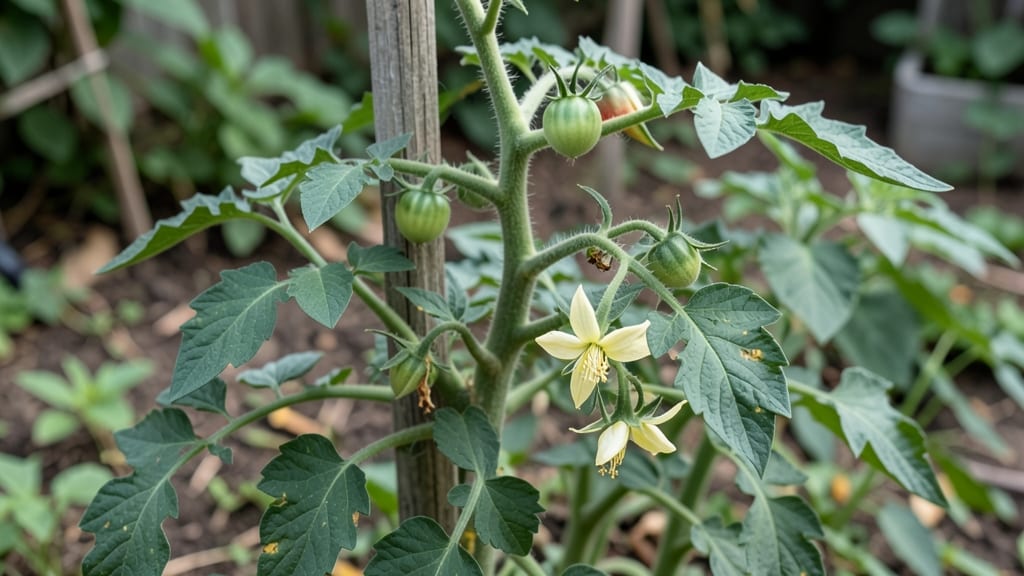
Managing your 🍅 plant size is the difference between a handful of tomatoes and a garden overflowing with fruit—because bigger isn’t always better when it comes to these hungry vines.
Did you know that controlling your tomato plant size can double—or even triple—your harvest? Whether you’re fighting overcrowded vines or struggling with sprawling growth, mastering tomato plant dimensions is the key to a bountiful garden.
Some varieties stay compact and bushy, while others grow like jungle vines, reaching six feet or more. The right spacing, pruning, and support can turn a chaotic mess into a high-yielding powerhouse—without sacrificing flavor or health.
In this guide, I’ll break down the two main types of tomato plants, how to choose the right size for your space, and the simple tricks to keep them productive all season long.
Understanding tomato plant size variations and their impact on yield
Tomatoes aren't one-size-fits-all plants. Their growth habits directly impact your harvest potential and garden space needs. The two main categories—determinate and indeterminate—grow differently, produce fruit at different rates, and require unique care strategies.
Understanding these differences helps you choose the right varieties for your space and goals, whether you're aiming for heavy yields or compact containers.
Determinate tomatoes grow to a predictable height (usually 3-5 feet) and produce fruit all at once, making them ideal for small gardens or container growing. Indeterminate varieties, on the other hand, keep growing and producing fruit until frost, often reaching 6-10 feet tall.
This continuous growth means they need more support structures and pruning attention to maximize yield and prevent disease.
Here’s how these size variations affect your garden’s success:
| Type | Growth Habit | Mature Height | Fruit Production | Spacing Needs | Pruning Needs |
|---|---|---|---|---|---|
| Determinate | Bush-like, compact | 3-5 feet | All at once (1-2 weeks) | 18-24 inches apart | Minimal (remove suckers) |
| Indeterminate | Vining, sprawling | 6-10+ feet | Continuous (all season) | 24-36 inches apart | Regular (heavy pruning) |
If you’re growing determinate tomatoes, think of them like bushes that set fruit on terminal buds. They’re perfect for small-space gardens or when you want a single harvest all at once. Varieties like Roma or Celebrity are classic choices.
These plants are low-maintenance because they don’t require extensive pruning—just remove any suckers (the small shoots that grow between the main stem and branches) to keep the plant healthy.
On the other hand, indeterminate tomatoes are the workhorses of the garden. They produce fruit continuously until frost, making them ideal for long harvests and heavy yields. Varieties like Sungold or Brandywine are popular for this reason.
However, their vining growth means they need stakes, cages, or trellises to support their weight. Without proper support, indeterminate plants can flop over, leading to poor air circulation and disease risks.
One of the biggest mistakes gardeners make is overcrowding their tomato plants, regardless of type. Determinate varieties need 18-24 inches of space, while indeterminate types require 24-36 inches to thrive. Overcrowding leads to poor air flow, which increases the risk of fungal diseases like early blight or late blight.
It also limits sunlight exposure, reducing fruit production and quality.
For indeterminate tomatoes, pruning is essential to manage size and direct energy toward fruit production. By removing suckers and lower leaves, you improve air circulation and reduce disease pressure. Pruning also helps the plant focus its energy on developing larger, healthier fruits.
Start pruning when the plant is about 12 inches tall and continue throughout the growing season. Always use clean, sharp pruners to avoid damaging the plant.
Another key factor is yield expectations. Determinate tomatoes produce a single, heavy harvest over 1-2 weeks, which is great if you’re canning or preserving your harvest. Indeterminate tomatoes, however, provide a steady supply of fruit throughout the season.
If you’re growing for fresh eating, indeterminate varieties often yield more over time. For example, a well-maintained indeterminate plant can produce 20-30 pounds of tomatoes in a season, while a determinate plant might yield 10-15 pounds all at once.
Choosing the right tomato plant size for your garden also depends on your available space and time commitment. If you’re a beginner gardener, determinate varieties are easier to manage. They require less pruning and support, making them ideal for small gardens or container growing.
If you have more experience and want to experiment with larger yields, indeterminate tomatoes are a fantastic choice—but be prepared for more maintenance and support.
Pro tip: If you’re growing in containers, opt for determinate varieties or dwarf indeterminate
How to prune tomato plants for optimal size and maximum fruit production
Pruning tomato plants isn’t just about keeping them tidy—it’s a game-changer for your harvest. By controlling tomato plant size, you redirect energy from excessive foliage to fruit production, often resulting in bigger, healthier tomatoes.
Whether you’re growing indeterminate vines that climb or determinate bushes, the right pruning techniques can transform your yield. The key is knowing when to prune, what to remove, and how to support your plant’s growth.
Many gardeners avoid pruning tomatoes, fearing they’ll harm the plant or reduce fruit. But the truth is, strategic pruning improves air circulation, reduces disease risk, and ensures your plant focuses on producing fruit instead of unnecessary leaves.
For indeterminate varieties, pruning is essential to manage their sprawling growth, while determinate types often need minimal trimming. Let’s dive into the step-by-step process to maximize your harvest.
Step-by-Step Pruning Guide for Tomato Plants
- Step 1: Start Early – Begin pruning when your tomato plant reaches 12-18 inches tall. This is the ideal time to encourage a strong framework for fruit production.
- Step 2: Remove Suckers – Look for suckers (small shoots growing between the main stem and branches). Pinch them off with your fingers or use clean pruners to redirect energy to existing fruit.
- Step 3: Prune Lower Leaves – Trim leaves touching the soil to prevent disease spread and improve airflow. Aim to keep the bottom 12 inches clear of foliage.
- Step 4: Limit Branches – For indeterminate tomatoes, remove all but the strongest 3-4 branches to avoid overcrowding. For determinate types, minimal pruning is needed.
- Step 5: Use Support – Install cages or stakes early to support pruned plants. This prevents breakage and helps direct growth upward for better fruit access.
- Step 6: Prune Regularly – Continue trimming suckers and yellowing leaves every 1-2 weeks throughout the growing season to maintain optimal size and health.
When pruning, always use clean, sharp pruners to avoid damaging the plant. Dull tools can tear stems, creating entry points for pests and diseases. I recommend sterilizing your pruners with rubbing alcohol between cuts to prevent the spread of bacterial or fungal infections.
Additionally, never remove more than 25% of the foliage at once, as this can shock the plant and reduce fruit production.
One common mistake is over-pruning, which can leave your tomato plant vulnerable to sunburn on exposed stems or reduce its ability to photosynthesize. Another error is pruning too late in the season, which may stunt fruit development just when you need it most.
Always prune in the morning when the plant is dry, and avoid heavy pruning during hot afternoons to minimize stress on the plant.
For indeterminate tomatoes, which grow continuously, pruning is crucial to manage their 6-foot-plus height and prevent sprawling. These varieties benefit from regular suckering to maintain a manageable size and improve fruit quality.
In contrast, determinate tomatoes, which grow to a fixed size, require minimal pruning—focus on removing only diseased or crowded leaves. By tailoring your approach to your tomato variety, you’ll see a noticeable difference in both plant size and fruit production.
Remember, the goal of pruning is to create a balanced, healthy plant that produces an abundance of fruit. With the right techniques and a little patience, you’ll be rewarded with a garden full of juicy, homegrown tomatoes that you can proudly share with friends and family. Happy pruning! 🌱✂️🍅