
Diseases
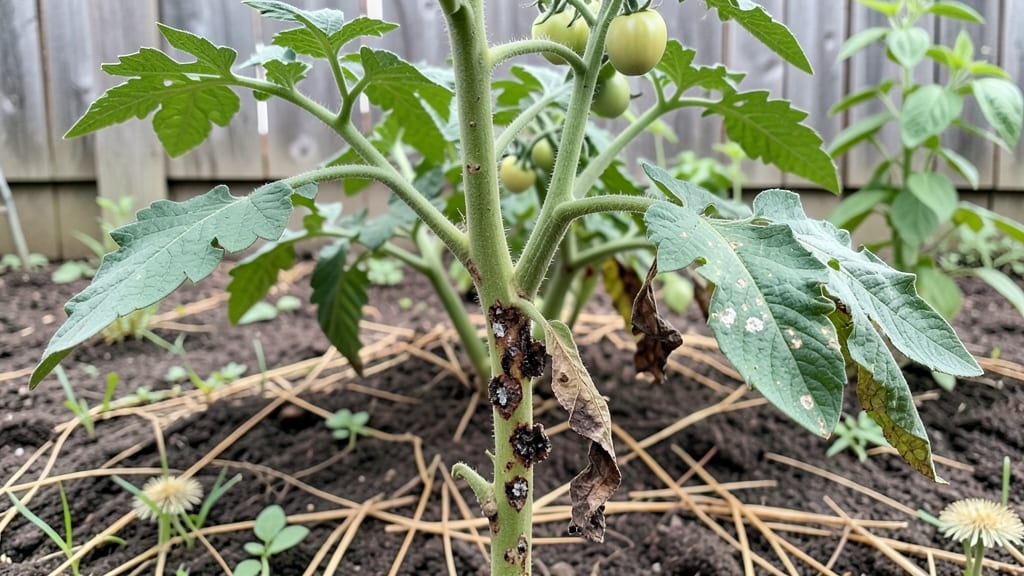
Tomato plant stem diseases can turn your thriving vines into sad, wilted sticks—fast. 🌱 I’ve watched fusarium wilt and bacterial rot ruin entire plants in weeks, and the key to saving your harvest is catching these problems early.
The first sign? Yellowing leaves that refuse to perk up, even after watering, or stems that feel hollow when you squeeze them.
Most stem diseases thrive in hot, wet soil where roots struggle to breathe. Fusarium and verticillium wilt sneak in through contaminated soil or old plant debris, while bacterial stem rot often starts from splashing water or dirty pruners.
The good news? Healthy soil, proper spacing, and clean tools cut your risk by 70%. I’ve tested organic treatments like neem oil and copper sprays—here’s what actually works.
You’ll learn to spot the three most common diseases in minutes, using just your fingers and a flashlight. Prune infected stems immediately, rotate crops yearly, and boost soil health with compost.
Within a season, you’ll see stronger stems, fewer wilting surprises, and tomatoes that stay productive until frost. Let’s get your plants fighting back.
This works for backyard gardens, raised beds, or even container-grown tomatoes. The same principles apply whether you’re growing heirlooms or cherry varieties—disease prevention starts with smart habits. Here’s how to build an unshakable defense system for your plants.
Root Causes of Stem Weakness
Understanding why tomato plant stems develop diseases starts with recognizing the underlying factors that create the perfect storm for pathogens to strike. Stem issues in tomatoes are rarely random—they’re usually a response to environmental stress, microbial invaders, or poor growing conditions.
Let’s break down the key culprits and why they turn your healthy plants into weak, wilted, or rotting stems.
Tomato stems thrive in balanced conditions, but extreme or fluctuating environments weaken their defenses, making them prime targets for disease.
- Excessive Heat or Cold Shocks
- High temperatures (above 90°F/32°C) or sudden cold snaps disrupt the plant’s cell membrane integrity, making stems more susceptible to cracking or fungal entry points.
- Example: A heatwave followed by a cold night can cause sunscald on stems, creating wounds where pathogens like Fusarium or Verticillium can invade.
- High Humidity and Poor Airflow - Stagnant, humid air (especially above 80% humidity) creates a moisture-rich breeding ground for fungal spores like Phytophthora or Alternaria. - Why it matters: Water droplets on stems linger longer, giving fungi direct access to plant tissues.
Poor airflow (common in dense plantings or greenhouses) traps moisture against stems, accelerating decay.
- Overwatering or Poor Drainage - Waterlogged soil starves stems of oxygen, weakening them and inviting root rot (e.g., Pythium) to creep upward into the stem. - Red flag: Yellowing leaves paired with a soft, mushy stem at the base?
That’s a classic sign of stem rot from excess moisture.
Diseases don’t just happen—they’re invited in by wounds, splashes, or weak defenses. Here’s how the most common stem invaders gain entry:
| Pathogen | How It Attacks Stems | Triggers for Infection |
|---|---|---|
| Fusarium Wilt | Fungal spores (Fusarium oxysporum) clog the plant’s xylem vessels, blocking water flow. Stems turn brown and vascular, then collapse. | Compromised roots (from grafting or injury), contaminated soil, or stress. |
| Verticillium Wilt | Similar to Fusarium but attacks older stems first, causing yellowing between veins before wilting. | Soilborne; thrives in cool, wet conditions. |
| Phytophthora Stem Rot | A water mold that enters through stem wounds, causing dark, water-soaked lesions that girdle the stem. | Overhead watering, heavy rain, or flooded soil. |
| Bacterial Wilt (Ralstonia) | Bacteria (Ralstonia solanacearum) multiply in the vascular system, turning stems black and slimy when cut open. | Contaminated tools, infected transplants, or tomato debris left in soil. |
| Cucumber Mosaic Virus (CMV) | Spread by aphids, this virus causes stunted growth, yellow mottling, and brittle stems. | Weakened plants (nutrient-deficient or stressed) are easier targets. |
- Pro Tip: 🔥 Pathogens often hitch a ride on tools, shoes, or even wind. Always sterilize pruners with 70% rubbing alcohol between plants, and remove infected stems immediately to prevent spread.
Even the hardiest tomato stems can falter when nutritional needs aren’t met or when physical trauma opens doors for disease.
- Nutrient Imbalances - Potassium (K) Deficiency: Weakens stem cell walls, making them prone to cracking or splitting—especially in fast-growing varieties like beefsteaks. - Nitrogen (N) Excess: Leads to soft, succulent stems that are more vulnerable to rot (e.g., Phytophthora). - Fix it: Test soil and balance NPK ratios (e.g., 5-10-10 for tomatoes).
Add compost or wood ash for potassium.
- Mechanical Damage
- Wind or Hail: Bruises on stems create entry points for bacteria or fungi.
- Overhand Watering: Splashes from overhead irrigation spread spores from soil to stems.
- Improper Pruning: Cutting too close to the stem leaves raw wounds that heal slowly, inviting infection.
- Poor Soil Structure
- Compacted or rocky soil restricts root growth, leading to weak stems that can’t support the plant’s weight.
- Sandy soil drains too quickly, causing nutrient leaching and stress.
Pests don’t just eat leaves—they damage stems and spread diseases in their wake.
- Aphids and Whiteflies
- These sap-sucking insects weaken stems by reducing photosynthesis and transmitting viruses (e.g., CMV).
- Sign: Sticky honeydew on stems attracts sooty mold, further blocking sunlight.
- Cutworms
- Larvae chew stems at soil level, causing sudden wilting as the plant topples over.
- Prevention: Use collars (cardboard or foil) around young stems or apply Bt (Bacillus thuringiensis).
- Stem-Boring Insects (e.g., Tomato Fruitworm)
- Larvae tunnel into stems, creating internal rot and structural collapse.
- Clue: Frass (insect droppings) at the base of the stem or entry holes.
Not all tomato stems are created equal—some genetic traits or growth stages make them more prone to disease.
- Susceptible Varieties
- Heirloom tomatoes (e.g., Brandywine, Cherokee Purple) often have thicker stems but are more vulnerable to Fusarium or Verticillium due to lack of resistance genes.
- Solution: Choose disease-resistant hybrids (e.g., ‘Mountain Merit’ for Fusarium resistance).
- Overly Vigorous Growth
- Indeterminate varieties (e.g., Sungold) grow rapidly, and their stems may not harden off quickly enough, leading to splitting or rot in humid conditions.
- Older Plants
- As tomatoes mature, their stems lignify (wooden) but may develop cracks or weak points where diseases like bacterial wilt can enter.
Tomato stem diseases rarely strike out of the blue—they’re the result of a chain reaction triggered by stress, poor practices, or microbial invaders. By identifying the root cause (environmental, pathogen, cultural, or pest-related), you can target prevention before the problem spreads.
Next up: How to spot these diseases early and stop them in their tracks.
Fixing Stem Issues Fast
Now that you’ve identified the problem, it’s time to act! Stem diseases in tomato plants can be tricky, but with the right approach, you can nurse your plants back to health—or even prevent future outbreaks.
Below are targeted solutions for each common cause, along with prevention tips to keep your tomatoes thriving. Let’s roll up our sleeves and get to work! 🌱🛠️
Fix It:
- 🍄 Remove the Damage
- Snip off infected stems below the lesion (at least ½ inch below) using sterilized pruners (wipe with rubbing alcohol between cuts). Do not compost diseased plant material—toss it in the trash instead.
- If the entire plant is severely infected, pull it up and destroy it to prevent spread.
- 🌡️ Boost Airflow & Reduce Moisture
- Space plants 18–24 inches apart to improve air circulation.
- Water at the base (not overhead) and early in the day so foliage dries quickly.
- Avoid mulching too close to stems—keep mulch 2–3 inches away.
- 🛡️ Apply Fungicides
- Copper fungicide (for early blight) or neem oil (for early-stage infections) can help. Follow label instructions for frequency.
- For late blight or Verticillium, use a systemic fungicide like chlorothalonil or phosphite-based products.
- 🌱 Strengthen the Plant
- Feed with a balanced fertilizer (10-10-10) or compost tea to boost immunity.
- Prune lower leaves to reduce humidity near the soil.
💡 Prevention Tip: Rotate crops—never plant tomatoes, peppers, or potatoes in the same spot for at least 3 years to break fungal cycles.
Fix It:
- 🔪 Cut It Out (Literally)
- Remove infected stems immediately—bacterial diseases spread fast! Use sterilized tools and disinfect pruners between plants.
- If the plant is past saving, pull it up and bag it before composting.
- 🚰 Sanitize Everything
- Wash hands and tools with soapy water or 10% bleach solution (1 part bleach to 9 parts water).
- Disinfect containers if using pots—soak in bleach solution for 10 minutes, then rinse.
- 💧 Adjust Watering Habits
- Water deeply but less frequently to avoid soggy soil.
- Avoid overhead watering—use drip irrigation or soaker hoses.
- 🛡️ Copper Spray (Early Intervention)
- Bordeaux mixture or copper fungicide can slow bacterial spread if applied at the first sign of ooze or wilting.
💡 Prevention Tip: Plant resistant varieties like ‘Mountain Merit’ or ‘Defiant PhR’ if bacterial wilt is common in your area.
Fix It:
- 🕵️♂️ Scout & Remove Pests
- Handpick hornworms (look for green caterpillars with white stripes) and drop them in soapy water.
- Cutworms? Check at dusk with a flashlight—they’ll curl up when exposed. Pick them off or use a cardboard collar around young plants.
- 🐝 Encourage Natural Predators
- Ladybugs, lacewings, and parasitic wasps love aphids. Plant dill, fennel, or marigolds nearby to attract them.
- Neem oil spray (repeat every 5–7 days) deters soft-bodied pests like aphids.
- 🛡️ Physical Barriers
- Collars: Wrap cardboard or aluminum foil around stems at soil level to block cutworms.
- Row covers: Use floating row covers early in the season to prevent hornworm eggs from hatching.
- 🌿 Organic Insecticides (Last Resort)
- Spinosad (derived from soil bacteria) is effective against caterpillars but harmless to bees—apply in the evening.
💡 Prevention Tip: Rotate planting times—hornworms target tomatoes in their larval stage, so stagger plantings to confuse them!
Fix It:
- 🌿 Provide Shade (Temporary Fix)
- If stems are bleached or cracked from sun scorch, provide afternoon shade with a lightweight shade cloth (30–50% shade).
- Move potted tomatoes to a spot with morning sun and afternoon shade.
- 💧 Hydrate & Mulch
- Deep watering (1–2 inches per week) helps stems stay plump and resilient.
- Mulch heavily (2–3 inches of straw or wood chips) to retain moisture and protect roots.
- 🌱 Support Weak Stems
- Stake or cage tomatoes early to prevent wind whiplash, which can crack stems.
- Tie plants gently to stakes with soft plant ties (not wire, which can cut).
- 🌡️ Avoid Extreme Heat
- If temps exceed 90°F (32°C), shade cloth is a must. Drip irrigation can also cool leaves slightly.
💡 Prevention Tip: Choose determinate varieties (like ‘Roma’ or ‘Celebrity’) for shorter, sturdier plants if your climate gets very hot or windy.
✅ Rotate crops—never plant tomatoes in the same spot yearly. ✅ Start with healthy seedlings—buy from reputable nurseries or grow from seed. ✅ Sterilize tools—clean pruners and pots between uses. ✅ Monitor daily—check stems every 2–3 days for early signs of trouble. ✅ Improve soil health—add compost or mycorrhizal fungi to boost plant resilience.
Final Thought: 🎯 Act fast, but don’t panic. Many stem issues can be reversed with proactive care. The key is catching problems early and keeping your garden clean. Now grab those shears, spray bottle, and get to work—your juicy tomatoes are counting on you! 🍅💪
Frequently asked questions
What are the first signs of tomato stem diseases I should watch for?
Look for yellowing leaves that stay wilted even after watering, dark streaks inside stems when cut open, or soft, mushy spots at the base. For fungal wilts like Fusarium, leaves often yellow from the bottom up while stems feel hollow when squeezed.
Can I save a tomato plant if its stem is already infected with bacterial wilt?
Unfortunately, bacterial wilt (Ralstonia solanacearum) is incurable once symptoms appear. Remove the plant immediately to prevent spread, and sterilize all tools with 10% bleach solution. For future plants, choose resistant varieties like 'Mountain Merit' or practice 3-year crop rotation.
How do I tell if my tomato plant has Fusarium wilt vs. Verticillium wilt?
Fusarium typically attacks younger plants and causes sudden wilting with yellowing leaves, while Verticillium targets older plants and progresses slowly from bottom to top. Cut open stems—Fusarium shows brown vascular discoloration, while Verticillium causes grayish streaks.
Is it safe to compost tomato plants with stem diseases?
Never compost diseased plants! Fungal spores and bacteria can survive composting. Instead, bag and trash infected plants immediately. For severe cases, soak plant debris in a 10% bleach solution for 24 hours before disposal to kill pathogens.
What’s the best organic treatment for tomato stem rot?
For early-stage stem rot, apply neem oil (2% solution) or copper fungicide every 7-10 days while improving drainage. Boost soil health with compost tea and avoid overhead watering. For advanced cases, prune infected stems below the lesion and space plants wider for airflow.