
Planting
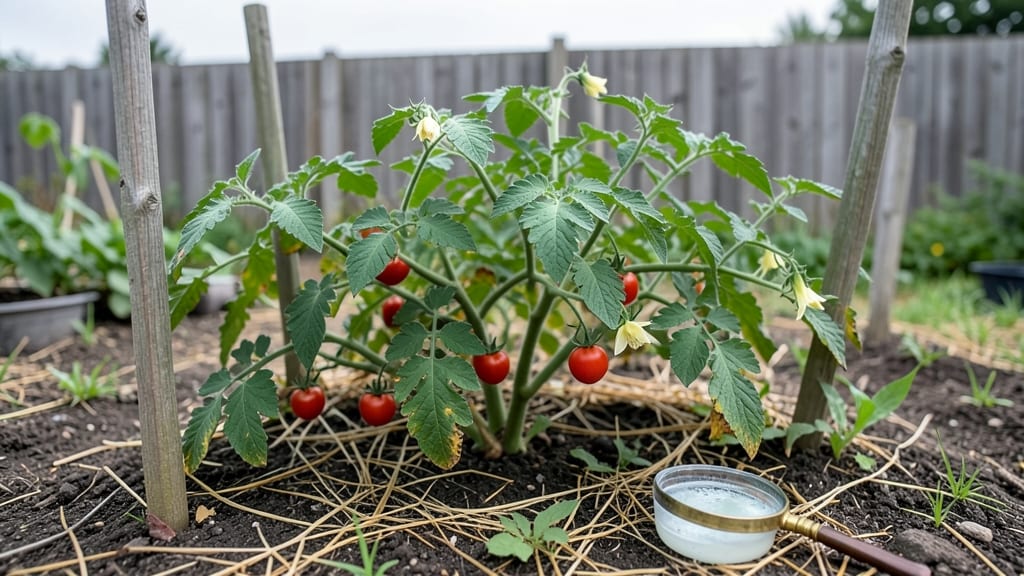
Tomato plants are toxic to pets and children because their leaves, stems, and unripe fruit contain solanine and tomatine, which can cause vomiting, diarrhea, or lethargy if ingested. Only fully ripe red tomatoes are safe in moderation, while green parts and vines pose the highest risk.
Understanding which parts of a tomato plant are dangerous helps keep your family and pets safe. 🌱 The green leaves and stems contain higher concentrations of solanine and tomatine, which act as natural pesticides but can trigger gastrointestinal upset or even neurological issues in sensitive individuals.
Even small amounts can cause problems, especially in pets like dogs or cats, whose smaller bodies react more intensely to these compounds. I always recommend removing fallen leaves from garden beds immediately to prevent accidental nibbling by curious pets or children.
For gardeners with furry family members, consider growing pet-safe varieties like 'Sweet Million' or 'Tiny Tim' tomatoes, which produce edible foliage in some cases. If ingestion occurs, watch for symptoms like drooling, weakness, or loss of appetite—these are red flags that warrant a vet visit.
Keeping plants out of reach and teaching kids the difference between safe red fruit and toxic green parts is the best prevention strategy.
💡 In This Article
- Toxic Compounds in Tomato Plants and Their Effects
- Safe Gardening Practices with Tomato Plants
Toxic compounds in tomato plants and their effects
The tomato plant's toxicity stems from two key alkaloids: solanine and tomatine. These compounds act as natural insecticides, protecting the plant from pests while creating risks for pets and young children.
Solanine concentrations peak in green parts—especially leaves and stems—with levels reaching 0.01-0.05% of dry weight, while tomatine can comprise up to 0.5% in unripe fruit. For comparison, that's roughly 10-100 times more potent than the caffeine in a cup of coffee per gram of plant material.
When ingested, these compounds trigger symptoms by interfering with acetylcholine receptors in the nervous system. Solanine disrupts cell membranes, causing gastrointestinal irritation and potential neurological effects like tremors. Tomatine works similarly but binds more aggressively to cell surfaces.
In pets, even 0.5-1 gram of green tomato leaves (about 1-2 leaves) can cause vomiting in dogs, while cats show sensitivity at even lower doses due to their smaller size and slower metabolism.
Children under 6 years old face higher risk because their developing digestive systems absorb these compounds more efficiently. Studies show kids may experience mild to severe gastrointestinal distress after consuming just 5-10 grams of green tomato parts, equivalent to a small handful of leaves.
The symptoms typically appear within 6-12 hours and include drooling, abdominal pain, and lethargy—signs that warrant immediate medical attention.
Species sensitivity varies dramatically: dogs show symptoms at 0.02-0.05% body weight ingestion, while cats react at 0.01% due to their liver's inability to metabolize tomatine efficiently. Humans generally tolerate small amounts better, but chronic exposure (like eating green tomatoes regularly) can lead to headaches or dizziness.
The key difference lies in liver enzyme activity—pets lack the CYP3A4 enzymes that help humans process these compounds.
What most people don't realize is that ripe red tomatoes contain 90% less solanine than green ones. The ripening process converts chlorophyll (where solanine binds) into lycopene, reducing toxicity.
However, the vine and roots remain dangerous year-round, containing concentrated alkaloids. Even composting tomato plants requires caution—these compounds persist through decomposition and can contaminate soil.
For visual reference, imagine a green tomato leaf as roughly the size of a US quarter. A dog weighing 20 pounds could experience toxicity from just 2-3 leaves, while a 50-pound dog might tolerate 5-6 leaves before symptoms appear.
This dosage sensitivity explains why pet owners often see sudden reactions after minor garden exposures. 💛