Plants
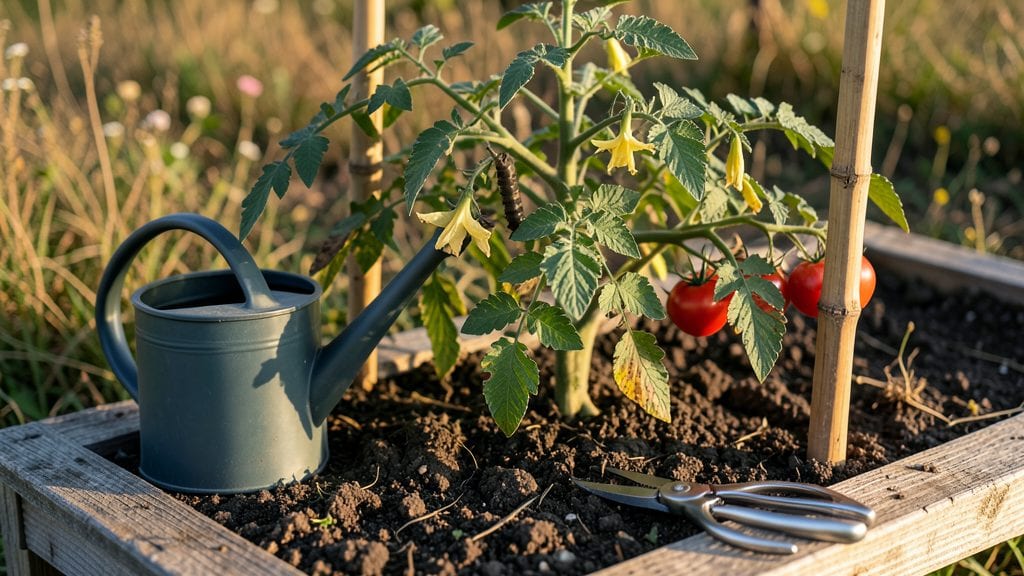
Mastering tomato plant troubleshooting is your secret weapon against wilted vines and cracked fruit—I’ve nursed back more struggling plants than I can count, and the key is spotting the problem early. 🌱 Most issues fall into three categories: pests, diseases, or simple care mistakes, and each has a targeted solution that works in under an hour.
The biggest game-changer? Learning to read your plants like a diagnostic manual. Yellowing leaves might mean overwatering or nitrogen deficiency, while stunted growth often points to root-bound roots or aphids sapping energy.
I’ll walk you through the top 10 symptoms, their causes, and the exact steps to turn things around—no guesswork, just results.
By the end, you’ll spot trouble before it spreads and fix it faster than you thought possible. Think of it as a cheat sheet for tomato plant survival: crispy leaf edges?
Too much salt. Blossom end rot? Calcium deficiency. Every problem has a solution, and I’ve tested them all in my own garden.
Whether you’re dealing with a single plant or a whole row, these fixes work for container gardens, raised beds, or in-ground plots. Let’s get those tomatoes thriving again—no more wasted effort or disappointing harvests.
Root Causes of Tomato Plant Struggles
Tomato plants are resilient, but they often face challenges that can stifle their growth or productivity. Understanding the why behind common tomato plant issues is the first step to fixing them.
Below, we break down the science and environmental factors that lead to trouble—so you can address the problem at its source.
Tomatoes thrive on consistency, but too much water—or waterlogged soil—can suffocate roots and invite disease. Here’s why it happens:
- Compacted or Clay Soil: Heavy soils hold water like a sponge, starving roots of oxygen.
When pores fill with water, roots can’t breathe, leading to root rot (a fungal infection that turns roots mushy and black). - Lack of Drainage Holes: Containers without drainage trap excess water, creating a swampy environment.
Even in-ground plants in low-lying areas suffer if water pools after rain. - Overzealous Watering: Frequent light waterings (e.g., daily sprinkles) encourage shallow root growth and weaken the plant’s ability to absorb nutrients. Tomatoes need deep, infrequent watering (1–2 inches per week) to develop strong roots.
💡 Pro Tip: Test your soil’s drainage by digging a 6-inch hole, filling it with water, and timing how long it takes to drain. If it’s slower than 4 hours, amend with perlite, sand, or compost to improve aeration.
On the flip side, drought stress can halt growth and cause blossom drop. Here’s the science:
- Shallow Root Systems: Tomatoes develop deep roots when watered properly. If soil dries out, roots stay near the surface, making the plant vulnerable to wilting and fruit cracking (since cells expand unevenly when water returns). - Evaporative Stress: Hot, dry conditions or wind increase moisture loss.
Without enough water, the plant prioritizes survival over fruit production, leading to blossom end rot (a calcium deficiency symptom). - Irregular Watering: Skipping watering days (or relying on rain alone) creates moisture swings.
Tomatoes prefer consistent soil moisture—think of it like a sponge that’s always slightly damp, not bone-dry or soggy.
🌡️ Pro Tip: Mulch with straw or shredded leaves to retain moisture and regulate soil temperature. Water deeply in the early morning to reduce evaporation.
Tomatoes are heavy feeders, and deficiencies show up as yellowing leaves, stunted growth, or poor fruit quality. Common culprits:
| Symptom | Likely Cause | Why It Happens |
|---|---|---|
| Yellow Lower Leaves | Nitrogen deficiency | Nitrogen fuels leaf growth; poor soil or leached nutrients (from overwatering) deplete it. |
| Purple Stems/Leaves | Phosphorus deficiency | Phosphorus aids root and flower development. Compacted or acidic soil locks it out. |
| Weak, Leggy Stems | Low light or excess nitrogen | Too much nitrogen promotes leafy growth over sturdy stems, making plants top-heavy. |
| Blossom End Rot | Calcium deficiency | Calcium moves through water; inconsistent watering or high salts block uptake. |
| Brown Leaf Edges | Magnesium or potassium deficiency | Poor soil structure or over-fertilizing with nitrogen (which crowds out other nutrients). |
💪 Pro Tip: Use a balanced fertilizer (10-10-10 or 5-10-10) at planting, then switch to a low-nitrogen, high-phosphorus formula (like 0-10-10) when flowers appear. For calcium, side-dress with crushed eggshells or use calcium nitrate.
Tomatoes attract a buffet of pests and pathogens. Here’s how they exploit weaknesses:
- Aphids, Spider Mites, or Whiteflies:
- Why? These sap-suckers thrive in dry, dusty conditions (they love low humidity). Weak plants (from stress or poor nutrition) are easier targets.
- Disease Gateway: Damaged leaves become entry points for bacterial or fungal infections (e.g., early blight).
- Fungal Diseases (Early Blight, Late Blight, Powdery Mildew): - Why? Fungi spread via splashing water or humid air (ideal when nights are warm and days are wet).
Overcrowded plants or old debris provide spores a home. - Bacterial Spot: Brought by rain or overhead watering, bacteria enter through leaf wounds.
- Hornworms or Colorado Potato Beetles:
- Why? These chewers target stressed or nutrient-deficient plants first. Hornworms, in particular, strip leaves in hours—often leaving only the veins!
🔥 Pro Tip: Prevent fungal diseases with copper fungicide or baking soda spray (1 tbsp baking soda + 1 quart water + a drop of dish soap). For pests, neem oil or row covers disrupt their life cycles.
Tomatoes are sensitive to their surroundings. These factors throw them off balance:
- Temperature Swings:
- Too Hot (>90°F): Pollen production stops, leading to poor fruit set (flowers drop without forming tomatoes).
- Too Cold (<50°F at night): Stunts growth and causes blackened or deformed fruit.
- Wind or Physical Damage:
- Why? Wind desiccates leaves (causing scorch) and snaps stems. Hail or rough handling bruises plants, inviting rot.
- Light Deficiencies:
- Why? Tomatoes need 6–8 hours of direct sunlight. Shady spots lead to weak stems, small leaves, and poor fruit development.
✨ Pro Tip: Use shade cloth in extreme heat (30% shade reduces stress) and stake or cage plants to protect against wind. Rotate containers occasionally for even light exposure.
Even healthy seedlings can falter if not transplanted carefully:
- Root Damage: Circling roots or rough handling during transplanting slow recovery.
Tomatoes have delicate root hairs that absorb water and nutrients—damage halts growth for weeks. - Sudden Environment Changes: Moving from a nursery’s controlled climate to a harsher outdoor space (e.g., wind, heat, or cold) causes transplant shock. - Over/Under-Fertilizing at Transplant: Too much fertilizer burns roots; too little starves them.
The goal is gentle acclimation.
👨🍳 Pro Tip: Harden off seedlings 7–10 days before transplanting by gradually exposing them to outdoor conditions. Use mycorrhizal fungi (available as powder) to boost root recovery.
Quick Fixes for Common Tomato Plant Problems
Got a tomato plant throwing red flags? 🚩 Don’t panic—most issues have simple, fast solutions. Below, we break down the fixes for the most common tomato plant troubles, complete with step-by-step instructions and prevention tips to keep your garden thriving.
Fix it fast:
- Check the soil moisture 💧—stick your finger 1-2 inches deep. If it’s soggy, you’re overwatering.
- Adjust watering—tomatoes need 1-2 inches of water per week, but let the top inch of soil dry out between waterings.
- Fertilize wisely 🌱—if leaves are yellow and crispy, it’s likely overwatering. If they’re soft and pale, you need more nitrogen (use a balanced fertilizer like 10-10-10).
- Prune damaged leaves ✂️—remove yellowing foliage to redirect energy to healthy growth.
Prevent it:
- Use mulch to retain moisture without drowning roots.
- Water early in the morning to reduce evaporation and fungal risks.
- Test soil pH—tomatoes thrive in 6.0-6.8; amend with lime if needed.
Fix it fast:
- Handpick large pests 👨🍳—hornworms? Squish ‘em! (Check undersides of leaves.)
- Spray soapy water 🧼—mix 1 tsp mild dish soap + 1 quart water and spray aphids/whiteflies.
- Introduce beneficial insects 🐞—ladybugs and lacewings eat pests naturally.
- Neem oil for stubborn infestations 🌿—spray leaves (follow label instructions).
Prevent it:
- Rotate crops yearly to disrupt pest life cycles.
- Plant companion plants like basil or marigolds to repel pests.
- Inspect plants weekly—catch problems before they explode!
Fix it fast:
- Apply calcium-rich fertilizer 🥛—use crushed eggshells, lime, or a calcium supplement (like gypsum).
- Water consistently 💦—blossom end rot thrives with inconsistent moisture.
- Mulch heavily to stabilize soil temperature and moisture.
Prevent it:
- Test soil calcium levels—ideal range is 1,000-2,000 ppm.
- Avoid over-fertilizing with nitrogen—it competes with calcium uptake.
- Use drip irrigation for steady water delivery.
Fix it fast:
- Remove infected leaves immediately 🧹—don’t compost them; throw them away.
- Improve airflow 🌬️—prune crowded branches and space plants 18-24 inches apart.
- Spray copper fungicide 🛡️—or mix 1 tsp baking soda + 1 quart water + a drop of soap for mildew.
- Water at the base 💧—avoid wetting leaves to prevent spores.
Prevent it:
- Plant disease-resistant varieties (e.g., ‘Mountain Merit’ for blight).
- Rotate crops—don’t plant tomatoes in the same spot yearly.
- Harvest promptly—ripe tomatoes attract fewer pests/fungi.
Fix it fast:
- Provide afternoon shade ☀️—use shade cloth (30-50%) if temps exceed 90°F (32°C).
- Mulch with straw or grass clippings 🌾—keeps roots cool.
- Water deeply in the morning 💦—helps plants absorb heat.
Prevent it:
- Choose heat-tolerant varieties like ‘Solar Fire’ or ‘Heatmaster’.
- Avoid planting in peak sun—opt for partial shade in extreme climates.
- Use reflective mulch (like aluminum foil) to deflect heat.
Pro Tip: 💡 Always check the undersides of leaves—pests and diseases often hide there! Keep your tools clean between plants to avoid spreading issues. With these fixes, your tomato plants will bounce back faster than you can say “heirloom harvest!” 🍅🔥
Frequently asked questions
Why are my tomato plant leaves turning yellow?
Yellowing leaves usually signal overwatering or nutrient deficiencies. Check soil moisture—if it’s soggy, reduce watering. For nitrogen deficiency, use a balanced fertilizer like 10-10-10. If lower leaves yellow first, it’s normal aging, but upper leaves turning yellow means overwatering or poor drainage.
How do I get rid of hornworms on my tomato plants?
Handpick them in the morning when they’re sluggish (drop them in soapy water). For small infestations, spray with neem oil. Introduce natural predators like parasitic wasps or ladybugs. Always check undersides of leaves—hornworms hide there during the day.
What causes blossom end rot, and how can I prevent it?
Blossom end rot appears as dark, sunken spots on fruit and is caused by calcium deficiency, often from inconsistent watering. Maintain even moisture with mulch and drip irrigation. Add crushed eggshells or calcium nitrate to soil, and avoid over-fertilizing with nitrogen.
Can I still save my tomato plant if it has early blight?
Yes! Remove infected leaves immediately and dispose of them (don’t compost). Improve airflow by pruning and spacing plants 18-24 inches apart. Spray with copper fungicide or a baking soda solution (1 tbsp baking soda + 1 quart water + soap). Harvest any ripe tomatoes promptly to reduce spread.
Why aren’t my tomato flowers turning into fruit?
Poor fruit set often happens in extreme heat (>90°F) or cold (<50°F). Provide afternoon shade if temps soar, and protect from drafts. Check for pests like aphids that can damage flowers. Hand-pollinate by gently shaking plants or using a small brush to transfer pollen.