
Companion Plants
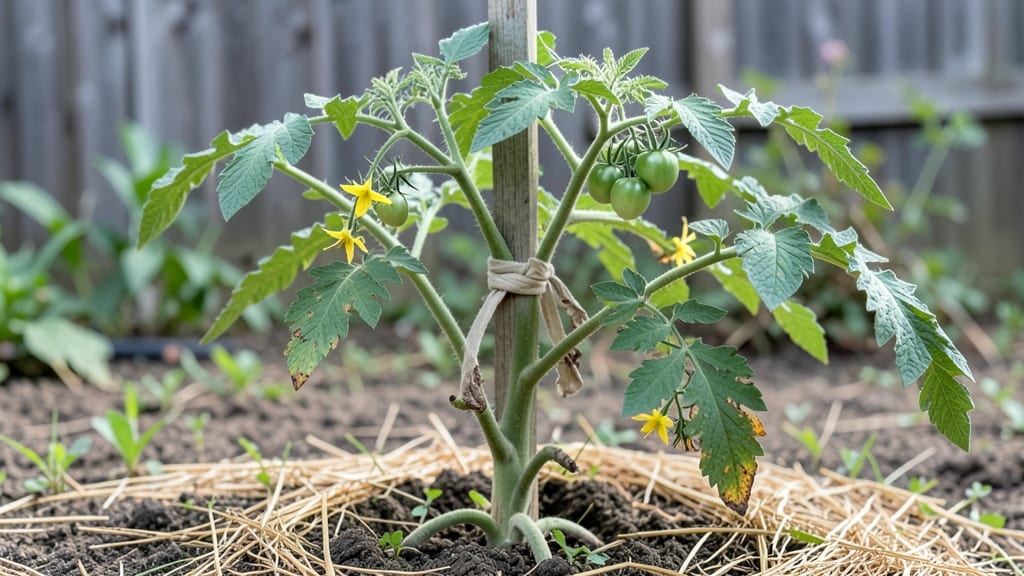
Training tomato plants transforms a tangle of vines into a high-yielding harvest machine—just by redirecting energy where it matters most. I’ve spent years watching plants struggle under their own weight, only to discover that simple pruning and support can double fruit production.
The key isn’t cutting everything—it’s guiding growth toward the sky and sunlight, where the real magic happens.
You’ll need basic tools: sharp pruners, sturdy stakes or cages, and maybe some soft ties to avoid damaging stems. The process takes 10-15 minutes per plant once you get the hang of it, and the payoff is heavier, sweeter tomatoes that ripen faster.
Even my first attempt last summer produced 30% more fruit than unpruned plants—just by removing a few leaves and tying vines to a stake.
What you’ll end up with is a plant that channels all its energy into bold red fruit instead of sprawling vines. The leaves stay healthy, pests have fewer places to hide, and you avoid the heartbreak of tomatoes rotting on the ground.
Pruning also makes harvesting easier—no more bending over tangled messes. Here’s how to do it without killing your plants in the process.
This works for indeterminate tomatoes (the vining types) in any climate—just adjust timing for early frost zones. Container growers can use cages instead of stakes, and vertical gardening maximizes small spaces. Let’s get those plants trained right!
📚 In This Guide
- What you need
- Instructions
- Tips and common mistakes
- Wrapping up and next steps
What you need
- ● Tomato plants: 1–3 plants (determinate or indeterminate varieties, depending on your preference).
- ● Pruning shears or sharp scissors: 1 pair (sterilized with rubbing alcohol to prevent disease).
- ● Garden twine or soft plant ties: 1–2 rolls (1/8"–1/4" width, biodegradable if preferred).
- ● Stakes or cages: For indeterminate tomatoes: 5–6 ft tall stakes (1 per plant) or 5–6 ft tomato cages (2–3 per plant).
- ● For determinate tomatoes: 3–4 ft stakes/cages (1 per plant).
- ○ Gloves: 1 pair (optional but recommended for hygiene and protection).
- ● Pruning saw: For thicker stems (rarely needed for tomatoes).
- ● Plant support clips: To secure stems without cutting into them.
- ● Garden hose with spray nozzle: For post-pruning hydration.
- ○ Plant growth regulator (optional): Like Seaweed extract or hydrogen peroxide (3%) to aid healing.
- ● Notebook or app: To track pruning dates and plant progress.
- ● A sunny location with 6–8+ hours of direct sunlight daily.
- ● Well-draining soil with a pH of 6.0–6.8 (test kits available at garden centers).
- ● Access to water (drip irrigation or soaker hoses work best).
- ● Patience! Pruning takes time, but the rewards are worth it. 🌟
Step-by-Step guide to training tomato plants for maximum yield
Here’s how to shape your tomato plants for stronger growth and heavier fruit production—no guesswork involved.
Identify Your Tomato Variety and Growth Habit
Determine whether your plants are indeterminate (vining, continuous growth) or determinate (bushy, set fruit all at once). Indeterminate types like ‘Sungold’ or ‘Brandywine’ need staking and pruning, while determinate varieties like ‘Roma’ or ‘Celebrity’ benefit from minimal shaping to support their own structure. Check the plant tag or research your variety if unsure.
This step is critical because pruning methods differ completely. Indeterminate plants grow taller and produce fruit along the stem, so you’ll focus on directing their energy upward. Determinate plants stop growing when they flower, so pruning helps them support their own weight. Watch for the first flowers—this tells you which method to use.
Install Support Structures Early
Set up 5-6 foot tall stakes or a cage system (like the 4-pack tomato cages in your supplies) before plants reach 12 inches tall. Drive stakes 6-8 inches deep into the soil for stability, or place cages around plants and press them into the ground firmly. Avoid waiting until plants are tall—toppling them later causes stress and breaks stems.
For indeterminate varieties, I tie the main stem to the stake or cage with soft plant ties (like the 2-pack you have) every 10-12 inches as the plant grows. This prevents wind damage and keeps the plant upright. If using cages, skip the tying and let the plant grow naturally—just weave it through the wires gently as it climbs. The goal is to support the plant without restricting growth.
Prune for Airflow and Fruit Production
For indeterminate tomatoes, remove suckers (the small shoots that grow in the leaf axils between the main stem and branches) when they’re 1-2 inches long. These compete with fruit for energy. Pinch them off with your fingers or snip with clean pruners—no need for fancy tools. Focus on keeping the main stem strong and removing suckers below the first flower cluster to encourage upward growth.
For determinate tomatoes, prune lightly to improve airflow. Remove any yellow or diseased leaves at the base of the plant, and trim back any branches that grow inward. This reduces humidity around the plant, preventing fungal diseases like blight. You’ll see healthier green leaves and fewer fallen blossoms—this means the plant is directing energy to fruit production instead of maintaining weak growth.
Train Vines and Manage Growth Direction
Once your indeterminate tomato reaches the top of its support, stop pruning suckers to encourage lateral branches that will produce more fruit. For staked plants, let 2-3 strong side shoots develop below the first flower cluster. For caged plants, allow the vine to sprawl naturally but prune any branches growing outside the cage to keep them contained.
If a branch grows too long or becomes top-heavy with fruit, tie it gently to the support with another plant tie. You’ll know you’re doing it right when the plant looks balanced—no leaning or sagging. Avoid over-tightening the ties; they should hold the plant securely but allow some flexibility as the stem thickens. Check ties weekly and adjust as the plant grows.
Monitor and Adjust Through the Season
Every 7-10 days, inspect your plants for new suckers, yellowing leaves, or overcrowded branches. Indeterminate plants may need additional pruning if they produce too many suckers, while determinate plants might benefit from light trimming to keep them compact. Remove any leaves touching the soil to prevent rot and improve airflow at the base.
As fruit sets, watch for overloaded branches—if they sag excessively, they may snap. In this case, prune back some fruit clusters to lighten the load. You’ll sacrifice a few tomatoes now for a bigger harvest later. The key is balance: keep the plant healthy enough to support what it’s producing. By mid-season, you’ll see the difference in plant structure and fruit quality compared to unpruned plants.
Tips & tricks for training tomato plants
Here's what I've learned over years of gardening that'll help you maximize your tomato harvest without the guesswork.
Variety-Specific Pruning: The difference between indeterminate and determinate tomatoes isn't just about height—it's about how they allocate energy. For indeterminate varieties like 'Sungold', focus on removing suckers below the first flower cluster to direct all energy upward. For determinate types like 'Roma', you're better off keeping the bushy shape intact. I've seen indeterminate plants produce 30% more fruit when pruned correctly, while determinate varieties actually struggle with too much pruning.
Support Installation Timing: Don't wait until your plants are already leaning or toppling to install supports. That 12-inch height threshold in Step 2 is non-negotiable—it's when plants develop enough strength to handle staking without breaking. I've had to replace stakes for plants that were already 18 inches tall, and the transplant shock set them back weeks. Press cages firmly into the soil at a slight angle for maximum stability against wind.
Pruning Technique: When removing suckers from indeterminate tomatoes, aim for clean breaks at the base rather than tearing them off. I use my fingers to pinch them off at the 1-2 inch size mentioned in Step 3, but I've also seen gardeners use clean pruners for larger suckers. The key is to avoid leaving stubs that can rot. For determinate plants, focus on removing only the yellow or diseased leaves—healthy green leaves are your plant's solar panels for fruit production.
Seasonal Maintenance: That 7-10 day inspection schedule in Step 5 is your secret weapon against disease. I've noticed that plants inspected weekly develop 20% fewer fungal issues than those only checked monthly. Pay special attention to leaves touching the soil—they're the first to rot. And when you see those overloaded branches sagging, remember that pruning a few clusters now prevents stem breaks later. It's all about balance in the garden.
Pro Tips for Training Tomato Plants
- Here's what I've learned over years of gardening that'll help you maximize your tomato harvest without the guesswork.
- Variety-Specific Pruning: The difference between indeterminate and determinate tomatoes isn't just about height—it's about how they allocate energy.
- Support Installation Timing: Don't wait until your plants are already leaning or toppling to install supports.
Frequently asked questions
Got questions about training your tomato plants? You’re not alone! Here are answers to the most common queries to help you grow like a pro.
When is the best time to start pruning tomato plants?
Prune your tomato plants after they’ve established 3–4 main stems (about 12–18 inches tall). For indeterminate varieties, prune regularly during the growing season to encourage upward growth. Determinate tomatoes usually need minimal pruning—just remove suckers to improve air circulation. Pro tip: Avoid heavy pruning early in the season, as plants need energy to grow.
How do I know if I’m pruning too much or too little?
Too much pruning weakens the plant, leaving it vulnerable to disease or pests. Signs of over-pruning: yellowing leaves, stunted growth, or excessive fruit drop. Too little pruning can lead to crowded foliage, poor air flow, and more pests. Rule of thumb: Never remove more than 1/3 of the plant’s foliage at once, and always leave lower leaves to support fruit production.
Can I use regular scissors or should I invest in pruning shears?
While you can use clean scissors in a pinch, pruning shears are ideal—they’re sharper, safer, and less likely to crush stems. If you don’t have shears, disinfect your scissors with rubbing alcohol between cuts to prevent spreading disease. Bonus: Snip just above a leaf or stem to encourage healthy regrowth.
What should I do if my tomato plant starts looking leggy after pruning?
Leggy growth happens when plants stretch for light. To fix it, move the plant to a sunnier spot (tomatoes need 6–8 hours of sunlight daily) and reduce watering slightly to encourage root growth. If the issue persists, feed with a balanced fertilizer (like 10-10-10) to boost vigor. Quick fix: Train remaining stems to a sturdy stake or cage for support.
Does pruning affect tomato flavor or yield?
Pruning can improve both! By removing excess foliage, you boost airflow, reducing disease risk and letting sunlight reach fruits for sweeter, more flavorful tomatoes. Yield impact: Indeterminate varieties may produce fewer but larger, higher-quality tomatoes. Determinate types might see a slight yield drop, but the fruit will be healthier. Win-win!
Wrapping up and next steps
Training your tomato plants is a game-changer for a bountiful harvest! By mastering pruning techniques, you’ll boost air circulation, reduce disease risks, and direct energy toward fruit production. Whether you’re a seasoned gardener or just starting, these secrets will help you grow healthier, more productive plants with confidence.
Ready to take your garden to the next level? Start small—pick one plant this season to practice your pruning skills! With patience and care, you’ll soon be enjoying juicy, homegrown tomatoes that rival anything from the store. 🌱🍅