
Pruning
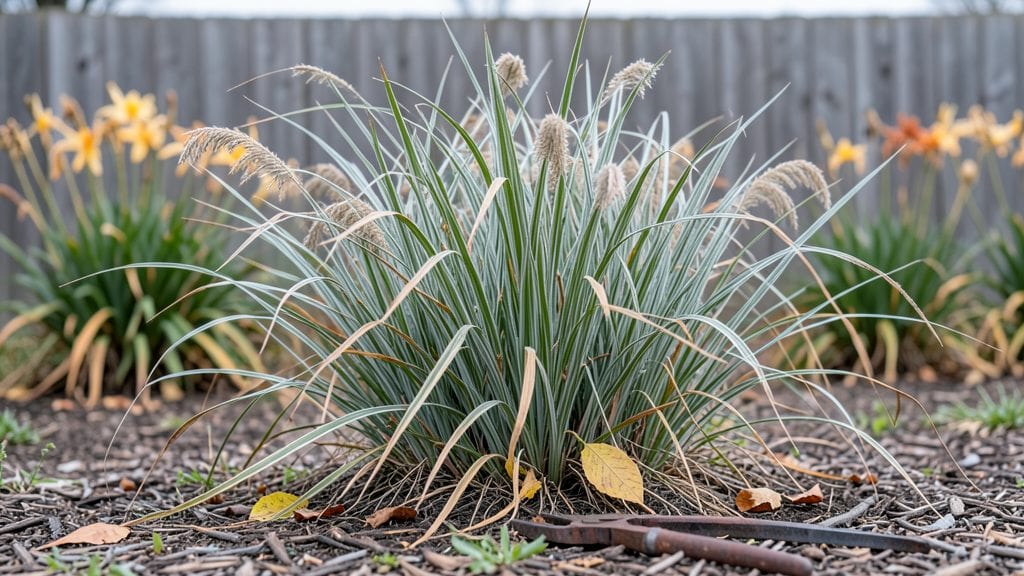
Trimming plants in fall promotes healthier growth and winter survival by removing dead foliage, shaping overgrowth, and preventing disease. Focus on perennials, shrubs, and woody plants after their dormancy period begins but before hard frost, using clean, sharp tools for precision cuts.
Fall pruning isn't just about tidying up your garden—it's a strategic move to help plants endure winter stress. 🌿 When you trim after dormancy sets in but before frost arrives, you're essentially giving your plants a clean slate while they're already slowing down their growth.
This timing reduces the risk of fungal infections that thrive in damp, chilly conditions, and it encourages stronger root systems before winter dormancy kicks in. For example, evergreens like boxwoods benefit from light shaping now, while deciduous shrubs can be cut back more aggressively to remove weak growth.
What's fascinating is how different plants respond to fall pruning. Perennials like coneflowers and black-eyed Susans actually thrive when you remove spent blooms, as it redirects energy to next year's growth. Meanwhile, fruit trees need their summer growth pruned now to prevent disease spread during winter.
The key is always to work with the plant's natural cycle—never cut into old wood on late-blooming shrubs like lilacs, as you'll sacrifice their spring flowers.
💡 In This Article
- Best Fall Pruning Practices for Plant Health
- Step-by-Step Fall Pruning Guide by Plant Type
Best fall pruning practices for plant health
Fall pruning works because it aligns with a plant's natural growth cycle. When temperatures drop and daylight shortens, most perennials and shrubs enter dormancy, a state where growth slows dramatically.
This is the perfect time to trim because the plant's energy shifts underground, strengthening roots rather than producing new shoots.
For example, deciduous shrubs like hydrangeas or butterfly bushes can be cut back by up to one-third in fall without stressing the plant—something you'd avoid in spring when new growth is vulnerable.
The science behind timing is all about avoiding frost sensitivity and fungal risks. Pruning too late exposes fresh cuts to winter moisture, creating entry points for pathogens like Botrytis (gray mold).
Evergreens, such as arborvitae or juniper, should only be lightly shaped in fall—never heavily—because their needles stay active longer, making them more prone to winter burn. The ideal window is after leaves drop but before hard frost (typically 32°F or lower), which can damage exposed tissue.
Identifying what to cut is half the battle. Dead branches snap easily when bent—if a limb breaks with a dry, papery sound, it's dead and should be removed. Diseased branches often have blackened or mushy tissue and may ooze sap.
Use clean, disinfected tools (soak pruners in 1 part bleach to 9 parts water for 10 minutes) to prevent spreading pathogens. For woody plants, cut at a 45-degree angle just outside the branch collar (the swollen area where the branch meets the trunk) to promote faster healing.
Fall pruning also reduces the risk of winter desiccation, where plants lose moisture through exposed surfaces. By removing overcrowded branches, you improve air circulation—critical for preventing fungal spores from thriving in damp conditions.
For instance, roses pruned in fall develop stronger canes for spring blooms, while fruit trees benefit from removing summer growth to prevent disease spread during winter dormancy. The key is precision: never remove more than 25% of the plant's foliage in one session.
Here's what most gardeners overlook: the role of carbohydrate reserves. Plants store energy in their roots and stems as starches. Pruning in fall preserves these reserves while removing energy-draining dead growth.
For example, ornamental grasses like maiden grass should be cut back to 6 inches tall in late fall to prevent them from flopping in winter winds. This also reduces the risk of snow mold, a fungal disease that thrives under heavy, wet snow.
One common mistake is pruning late-blooming shrubs like lilacs or weigelas in fall, as their flower buds form on old wood. Cutting them back now removes next year's blooms. Instead, wait until immediately after flowering in spring.
For evergreens, a light trim to shape is fine, but avoid heavy cuts—this can expose the plant to winter sunburn, where bright winter light damages unprotected foliage.