
Plants
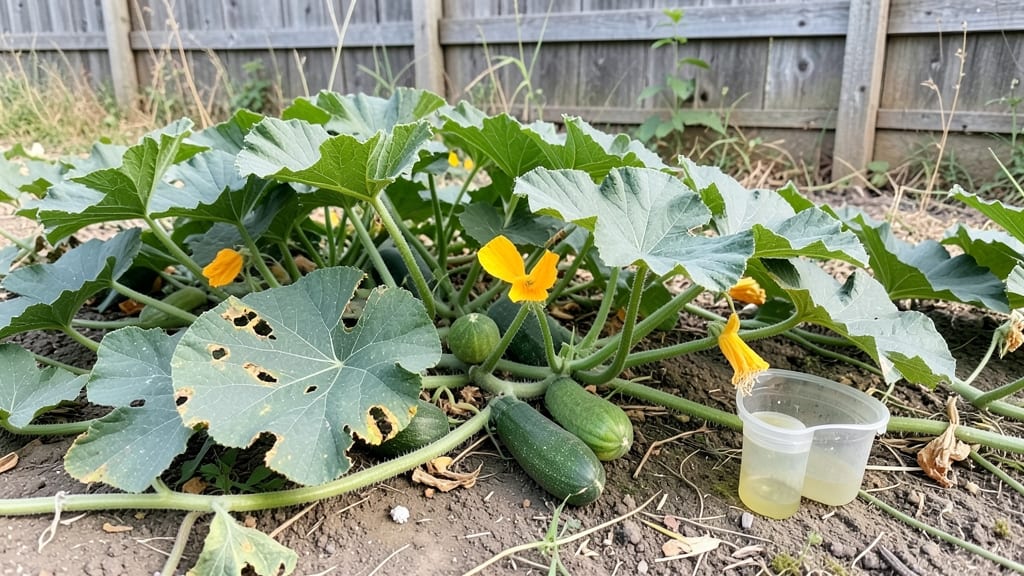
When squash plants wilt, yellow, or get chewed up, troubleshooting squash plants starts with a quick check of three things: water, pests, and sunlight. I’ve watched my own squash go from lush vines to sad, drooping messes in just a few days—until I learned to spot the early warning signs.
The key is acting fast before the problem spreads, because squash plants are tough once you know what they need.
Most issues boil down to two culprits: powdery mildew (that white dust on leaves) or squash vine borers (tiny holes in stems that turn into sawdust). Overwatering or poor drainage can also turn leaves yellow overnight, while too much shade stunts growth.
The good news? Each problem has a quick fix—whether it’s adjusting watering, spraying neem oil, or handpicking eggs before they hatch. I’ve saved entire plants with just a few minutes of attention.
By the time you’re done reading, you’ll spot these issues before they ruin your harvest. Think vibrant green leaves, plump squash, and zero frustration. The secret’s in the details—like checking stems for borers at dusk or watering at the base to keep leaves dry.
Let’s get those plants back on track before the next heatwave hits.
Works for both bush and vining squash, whether you’re growing zucchini, butternut, or pumpkins. Early-season problems (like cold soil) need different fixes than late-summer wilting—we’ll cover all of it. Ready to save your plants?
Root causes behind squash struggles
Understanding why your squash plants act up is the first step to saving them! Squash plants are resilient, but they’re also sensitive to environmental and biological stressors. Let’s break down the scientific reasons behind common squash plant problems—so you can diagnose (and fix) them like a pro.
Squash plants thrive in specific conditions, and when those conditions shift abruptly, they react with visible distress. Here’s why:
🌡️ Extreme Temperatures: Heat or Cold Shock
Squash plants are warm-season crops, meaning they love temperatures between 70–90°F (21–32°C).
When exposed to: - Frost or cold snaps (below 50°F/10°C), cells in leaves and stems rupture, causing blackened, mushy growth (a condition called cold injury). - Heatwaves (above 95°F/35°C), photosynthesis slows, leading to wilting, yellowing (chlorosis), and sunburn (white or brown patches on leaves). - Nighttime temps dropping below 60°F (15°C) can stunt growth, even if days are warm.
Why it happens: Cold stress triggers oxidative damage in plant cells, while heat stress causes protein denaturation (basically, the plant’s enzymes stop working properly). Both scenarios disrupt water uptake and nutrient transport.
💧 Water Woes: Overwatering or Drought
Squash plants have shallow root systems, so they’re highly sensitive to moisture imbalances: - Overwatering leads to root rot (caused by Phytophthora or Pythium fungi). Roots suffocate in waterlogged soil, turning black and mushy.
The plant can’t absorb oxygen, leading to wilting despite wet soil (a classic sign of rot). - Underwatering causes physiological drought—cells lose turgor pressure (the "plumpness" that keeps leaves upright), leading to crispy, curled leaves and drooping vines.
Why it happens:
- Overwatering creates anaerobic conditions, where roots can’t breathe. Fungal pathogens thrive in soggy soil.
- Underwatering triggers abscisic acid (a plant hormone) release, which signals stomata (leaf pores) to close, reducing water loss—but also limiting photosynthesis.
☀️ Light Issues: Too Much or Too Little Sun
Squash plants need full sun (6–8 hours/day) to produce energy via photosynthesis.
Deviate from this, and problems arise: - Shade stress (too little light) causes leggy, pale stems and small, sparse leaves because the plant stretches toward light (a survival tactic called etiolation). - Excessive sun (especially in hot climates) leads to sun scorch—leaves develop white or brown patches as cell membranes break down from oxidative stress.
Why it happens:
- Low light reduces chlorophyll production, weakening the plant’s ability to convert sunlight into energy.
- Too much sun generates reactive oxygen species (ROS), which damage cell structures (think of it like rust on metal).
Squash plants are heavy feeders, and soil deficiencies show up fast. Here’s what’s likely lacking—and why:
🟢 Yellowing Leaves: Nitrogen Starvation
If older leaves turn yellow (a condition called chlorosis), your plant is starving for nitrogen (N).
Nitrogen is the building block of chlorophyll and amino acids (proteins). - Symptoms: Pale green or yellow leaves, stunted growth, weak stems. - Why it happens: Nitrogen is highly mobile in plants—when deficient, the plant recycles it from older leaves to new growth. Over time, this exhausts reserves.
🟡 Yellow Between Veins: Iron or Magnesium Issues
- Iron (Fe) deficiency (common in alkaline soils) causes interveinal chlorosis (yellowing between leaf veins).
Iron is crucial for chlorophyll synthesis, but in high-pH soil, it becomes unavailable to roots. - Magnesium (Mg) deficiency (often from over-fertilizing with nitrogen) leads to yellow patches between veins, starting on older leaves.
Magnesium is the center of the chlorophyll molecule—without it, photosynthesis grinds to a halt.
🔴 Purple or Red Leaves: Phosphorus or Potassium Crisis
- Phosphorus (P) deficiency causes dark green or purple stems/leaves (a sign the plant is struggling to produce ATP, the energy currency of cells).
- Potassium (K) deficiency leads to weak stems, curled leaves, and brown leaf edges.
Potassium regulates water balance and enzyme activity—without it, cells can’t maintain turgor pressure.
Why it happens:
- Nitrogen is leached away by heavy rain or overwatering.
- Iron and magnesium bind to soil particles in alkaline conditions, making them inaccessible.
- Phosphorus and potassium get locked up in cold, compacted, or overly sandy soils.
Squash plants are a buffet for pests and pathogens. Here’s how they exploit weaknesses:
🐛 Pest Pressure: Squash Bugs, Cucumber Beetles, and More
- Squash bugs and cucumber beetles pierce leaves, injecting toxic saliva that causes yellowing, wilting, and stunted growth.
They also spread bacterial wilt. - Aphids suck sap, leading to curled, sticky (honeydew-coated) leaves, which then attract sooty mold (a black fungal growth). - Squash vine borers (larvae of moths) tunnel into stems, cutting off water/nutrient flow, causing sudden wilting of entire vines.
Why it happens: Pests target stressed plants first (e.g., those already weakened by drought or nutrient deficiencies). Their enzymes disrupt plant hormones, mimicking disease symptoms.
🍄 Fungal and Bacterial Infections: The Silent Invaders
- Powdery mildew (white, powdery fungus) thrives in humid, shady conditions, clogging leaf pores and blocking photosynthesis.
- Downy mildew (yellow spots on top, fuzzy growth underneath) spreads in cool, wet weather, causing leaf drop and reduced yields.
- Bacterial wilt (from cucumber beetles) clogs xylem vessels, preventing water transport—plants wilt even when soil is moist.
Why it happens:
- Fungi release enzymes that break down cell walls, while bacteria multiply in water-filled leaf tissues, triggering oxidative stress.
- Weak plants (from poor growing conditions) have lower defenses, making them easy targets.
Pro Tip: 💡 Most squash problems start with soil or water issues.
Before blaming pests, check: - Drainage (stick a finger in the soil—if it’s soggy after 24 hours, you’ve got drainage trouble). - pH levels (aim for 6.0–6.8; test with a kit or send a sample to a lab). - Root health (gently dig around—healthy roots are white; black/mushy = rot; brown/crunchy = drought stress).
Quick Fixes for Common Squash Problems
Got squash plants acting up? Don’t stress—most issues have simple, fast solutions!
Below, we’ve mapped out practical fixes for the most common squash woes, plus prevention tips to keep your garden thriving. 🌱💪 Whether it’s wilting leaves, yellowing vines, or pesky critters, here’s how to turn things around before your harvest suffers.
Cause: Overwatering, underwatering, heat stress, or root damage. Fix It Fast:
💧 Check the Soil Moisture
- Stick your finger 1–2 inches deep into the soil. If it’s bone-dry, water deeply (1–2 inches) at the base of the plant.
If it’s soggy, hold off on watering and improve drainage. - Pro Tip: 💡 Use a moisture meter or the "squeeze test"—grab a handful of soil; if it crumbles easily, it’s dry. If it sticks together, it’s too wet.
🌡️ Adjust Watering for Heat
- Morning watering (before 10 AM) prevents evaporation and fungal issues like powdery mildew.
- Mulch heavily (2–3 inches of straw or grass clippings) to retain moisture and cool roots.
🔧 Fix Root Issues
- If wilting persists, gently loosen soil around roots (but don’t disturb them!) to improve airflow.
- Transplant shock? If you recently moved plants, water deeply for 2 weeks and avoid fertilizing until new growth appears.
Prevent It: ✅ Water consistently—aim for 1–1.5 inches per week, adjusting for rain. ✅ Avoid overhead watering (use drip irrigation or soaker hoses). ✅ Choose heat-tolerant varieties like ‘Early Prolific Straightneck’ or ‘Butternut.’
Cause: Overwatering, nutrient imbalance, or fungal/bacterial infections.
🧪 Test the Soil
- Yellow lower leaves? Likely nitrogen deficiency—feed with a balanced fertilizer (10-10-10) or compost tea.
- Yellow edges with green veins? Could be magnesium (Epsom salt fix) or potassium (banana peel tea).
- Mushy, yellow leaves? Overwatering or root rot—stop watering, trim dead leaves, and repot in fresh, dry soil.
🛡️ Fight Fungal Infections
- Powdery mildew? Spray with baking soda mix (1 tsp baking soda + 1 quart water + few drops of dish soap) every 7–10 days.
- Downy mildew? Remove infected leaves and space plants wider (3–4 feet apart) for airflow.
- Bacterial spot? Prune infected foliage and sterilize pruners with rubbing alcohol.
Prevent It: ✅ Rotate crops—don’t plant squash in the same spot yearly. ✅ Water at the base (not leaves) to reduce fungal spores. ✅ Use fungicide sprays (neem oil or copper-based) preventatively.
Cause: Chewing insects, sap-sucking pests, or viral spread.
🔥 Manual Removal & Traps
- Squash bugs? Smash eggs (tiny white clusters on undersides of leaves) and handpick adults into soapy water.
- Cucumber beetles? Yellow sticky traps near plants or row covers early in the season.
- Aphids? Blast them off with a strong water spray (repeat daily for 3 days).
🌿 Natural & Chemical Solutions
- Neem oil spray (mix 1 tbsp neem oil + 1 tsp dish soap + 1 quart water) every 5–7 days.
- Diatomaceous earth (food-grade) around the base deters crawling pests.
- For severe infestations, use pyrethrin spray (organic insecticide) at dusk.
Prevent It: ✅ Interplant with herbs (basil, thyme, or marigolds repel pests). ✅ Remove garden debris (pests hide in old vines). ✅ Rotate plant families (e.g., don’t follow squash with cucumbers or melons).
Cause: Calcium deficiency from inconsistent watering or poor soil.
💧 Fix Watering First
- Water deeply 2–3 times per week (avoid shallow, frequent watering).
- Add calcium with crushed eggshells (bury near roots) or calcium nitrate fertilizer.
🥔 Boost Soil Health
- Mix in compost (1–2 inches) around the base to improve nutrient uptake.
- Avoid high-nitrogen fertilizers—they worsen calcium absorption.
Prevent It: ✅ Mulch heavily to keep soil moisture stable. ✅ Test soil pH (aim for 6.0–7.0—calcium absorbs better in slightly acidic soil).
Cause: Too much nitrogen, poor pollination, or temperature stress.
🌡️ Check Temperature & Pollination
- Need more heat? Squash thrives in 70–90°F—use row covers if nights are chilly.
- No flowers? Hand-pollinate by gently brushing stamens onto pistils with a paintbrush.
- Too many leaves, few flowers? Prune excess foliage to redirect energy to fruit.
🌱 Adjust Fertilizer
- Switch to low-nitrogen, high-phosphorus (e.g., 5-10-10) to encourage blooming.
- Side-dress with compost for a slow-release nutrient boost.
Prevent It: ✅ Plant near pollinator-friendly flowers (bee balm, sunflowers). ✅ Avoid over-fertilizing—squash prefers lean soil.
If your squash is collapsing fast, act now:
- Stop watering immediately (root rot or overwatering).
- Trim all black/mushy leaves with sterilized scissors.
- Repot in fresh, dry soil with perlite for drainage.
- Move to shade (if heat-stressed) or cover with shade cloth (if sunburned).
Last Resort: If the plant is beyond saving, harvest any edible fruit and replace it—squash grows fast! 🌱💨
Frequently asked questions about squash plant care
Why are my squash leaves turning yellow?
Yellowing leaves usually signal nutrient deficiencies or overwatering. Check if older leaves yellow first (likely nitrogen deficiency) or if yellowing occurs between veins (possible iron or magnesium shortage). For quick fixes, use Epsom salt (1 tbsp per gallon) for magnesium or compost tea for nitrogen. Always check soil moisture first—soggy soil causes root rot.
How do I stop squash bugs from destroying my plants?
Squash bugs lay eggs on leaf undersides—crush them daily before they hatch. For adults, handpick into soapy water at dawn when they're sluggish. Use row covers early in the season or apply neem oil every 5-7 days. Yellow sticky traps near plants also help monitor populations early.
Can I save a squash plant with powdery mildew?
Yes! First remove all infected leaves and improve airflow by spacing plants 3-4 feet apart. Spray with a baking soda mix (1 tsp baking soda + 1 quart water + dish soap) every 7-10 days. For prevention, water at soil level (never overhead) and mulch heavily. Resistant varieties like 'Defender' squash can help prevent future outbreaks.
Why aren't my squash flowers turning into fruit?
Poor fruit set often comes from temperature stress (below 70°F or above 90°F) or lack of pollinators. Try hand-pollinating with a paintbrush, or plant bee-friendly flowers nearby. If plants have too many leaves, prune excess foliage to redirect energy to fruit production. Switch to a low-nitrogen fertilizer (like 5-10-10) to encourage blooming.
What should I do if my squash vines suddenly wilt?
Sudden wilting often means squash vine borers—look for sawdust-like frass at stem bases or small holes. Cut open stems to check for white larvae. For immediate action, prune infected vines below the damage and treat with Bt (Bacillus thuringiensis) spray. Prevent future infestations by covering young plants with row fabric until flowering.