
Watering
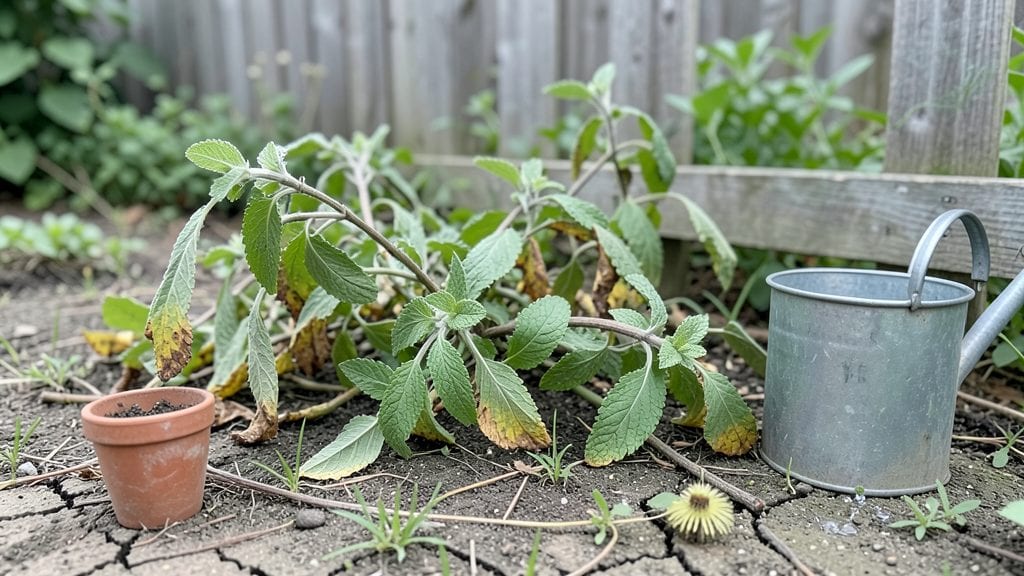
My underwatered mint plant looked like it was throwing in the towel—crispy edges, droopy stems, and leaves that felt like parchment paper. 🌿 The good news? A simple 3-day soak trick can bring it back to life, even if you’ve been neglecting it for weeks.
This isn’t just about dumping water on it—it’s about giving those roots the deep drink they’ve been begging for.
First, diagnose the damage: if the stems snap when bent or the soil pulls away from the pot, you’re dealing with severe dehydration. Most people overwater mint, but underwatering leaves it just as vulnerable—think of it like a sponge left out in the sun.
The fix starts with a bottom-watering soak: place the pot in 2–3 inches of room-temperature water for 15–20 minutes until the soil is evenly damp.
After the soak, trim any crispy leaves (they won’t recover) and move your mint to a spot with morning sun and afternoon shade—mint burns easily when stressed. Within 72 hours, you’ll see new growth pushing through, and the leaves will bounce back to their signature velvety texture.
The key is keeping the soil consistently moist, not soggy, and using a pot with drainage holes to prevent root rot.
This trick works for other herbs too—basil, cilantro, and thyme all respond the same way. The lesson? Mint is tough, but it won’t tolerate drought. Once you’ve revived it, stick to watering when the top inch of soil feels dry, and you’ll have lush, productive plants all season long.
Root Causes Of Wilting Mint
When your mint plant starts looking thirsty—drooping leaves, crispy edges, or a dull, grayish hue—it’s often a cry for water. But why does this happen in the first place? Understanding the science behind it helps you fix the issue fast and keep your mint thriving.
Let’s break down the key reasons your plant might be underwatered, from soil science to environmental factors.
Mint is a heavy drinker—its shallow roots absorb moisture quickly, especially in warm or windy conditions. If you’re sticking to a rigid watering schedule (like once a week), your mint may already be struggling by the time you notice.
- Evaporation rate: Soil loses moisture faster than you think. In hot weather, up to 1 inch of water can evaporate per week from the top 6 inches of soil.
- Root zone stress: Mint roots spread horizontally, not deep. If the top 2–3 inches of soil dry out, the roots can’t reach water, triggering wilting within 24–48 hours.
- Overconfidence in "self-watering" pots: Even containers with drainage holes can dry out if the plant outgrows the soil volume. A 5-gallon pot may only hold enough water for a small mint plant for 3–5 days in full sun.
Pro tip: 💡 Stick your finger 1–2 inches into the soil—if it feels dry, it’s time to water. For potted mint, check daily in summer; every other day in spring/fall.
Not all soil is created equal. Compacted, clay-heavy, or poorly amended soil can lock in air while trapping water just out of reach of mint’s roots—or worse, causing it to drain too quickly, leaving roots parched.
| Soil Type | Problem | Fix |
|---|---|---|
| Clay soil | Holds water but forms a hard crust that blocks roots from absorbing moisture. | Amend with 50% perlite or coarse sand to improve aeration. |
| Sandy soil | Drains too fast, leaving roots high and dry within hours. | Mix in 30% peat moss or coconut coir to retain moisture. |
| Potted soil (without organic matter) | Lacks water-holding capacity; dries out in 1–2 days. | Use a 50/50 blend of potting mix + compost. |
Key insight: Mint prefers soil that’s moist but not soggy. A good rule: If water pools on top after 10 minutes, your soil drains too slowly.
Your mint isn’t just fighting thirst—it’s battling hidden moisture thieves like sun, wind, and even your home’s HVAC system. These factors can dry out soil 3x faster than in ideal conditions.
- Direct sunlight: Full sun (6+ hours/day) increases evaporation by up to 50%. Mint leaves act like solar panels, transpiring water rapidly.
- Wind exposure: Air movement strips moisture from leaves and soil. A breezy spot can dry potted mint 2x as fast as a sheltered one.
- Indoor heat sources: Nearby radiators, stoves, or even dry air from AC pull humidity from the soil. Indoor mint may need watering every 1–2 days.
- Small container size: The surface area-to-volume ratio in tiny pots means water evaporates faster. A 6-inch pot may dry out in 12 hours on a sunny windowsill.
Actionable fix: 🌡️ Move potted mint to partial shade (3–4 hours of morning sun) or use a self-watering planter to buffer evaporation.
If your mint was recently repotted or is root-bound, its ability to absorb water plummets. Roots compete for nutrients and space, leaving some strands starved of moisture.
- Root-bound stress: When roots circle the pot, they strangle each other, reducing water uptake by up to 40%.
- Transplant trauma: Disturbed roots take 3–5 days to regrow and re-establish contact with soil, during which the plant relies on existing moisture.
- Lack of mulch: Without a 1-inch layer of mulch (straw, shredded leaves), soil loses 30% more water to evaporation.
Solution: ✨ Repot in spring with fresh, airy soil and trim 20% of crowded roots before replanting. Add mulch to lock in moisture.
Now that you know the real culprits behind your mint’s thirst, the next step is reviving it in 3 days—without overwatering or guesswork. Stay tuned!
Revive Your Wilting Mint Fast
If your mint plant is looking more like a sad, crispy relic than the vibrant herb you once grew, don’t toss it just yet! With the right care, you can bring it back to life in just a few days.
Below, we’ll break down the most common causes of underwatering and the easy, actionable fixes to get your mint thriving again—plus tips to keep it happy long-term.
Cause: Surface-level watering leaves roots parched, while deep soaking revives them. Solution:
- 🔥 Prep the Soil: Gently loosen the top 2–3 inches of soil with your fingers or a small trowel to help water penetrate deeper.
- 🍳 Water Thoroughly: Pour water slowly until it drains from the bottom of the pot (or until the soil feels moist 2–3 inches down). Let it sit for 10–15 minutes, then drain excess water to avoid root rot.
- 👨🍳 Repeat Daily: For the next 3 days, water deeply in the morning and evening. Mint loves moisture but hates soggy roots—balance is key!
- 🥘 Monitor Recovery: Yellowing leaves should green up within 24–48 hours. If they stay crispy, trim them off to redirect energy to new growth.
💡 Pro Tip: If your mint is in a pot, place it in a shallow tray of water for 10–15 minutes to encourage roots to absorb moisture from the bottom up.
Cause: Skipping watering sessions or using too little water leaves mint thirsty between drinks. Solution:
- ⏰ Water on a Schedule: Mint prefers consistently moist (not soggy) soil. Water every 1–2 days in hot weather or when the top inch of soil feels dry to the touch.
- 🌡️ Adjust for Climate: In dry heat, water more frequently. In cooler weather, reduce to every 2–3 days.
- 🎯 Use the Finger Test: Stick your finger 1 inch into the soil. If it’s dry, it’s time to water.
✨ Prevention Tip: Group mint pots together to create a microclimate that retains moisture longer.
Cause: Underwatering stresses mint, causing slow growth or leggy stems. Solution:
- 🔪 Prune the Damaged: Snip off any brown, crispy leaves or stems with clean scissors. This prevents disease and helps the plant focus on recovery.
- 🌱 Encourage Bushiness: Trim back leggy stems by 1/3 to promote fuller, healthier growth. Use the cuttings for tea or pesto!
- 💡 Boost Growth Hormones: After pruning, give your mint a light fertilizer (like a balanced 10-10-10) to jumpstart recovery. Dilute to half-strength to avoid burning roots.
🔥 Quick Fix: Place your mint in a bright spot (but out of direct sun) to reduce stress while it recovers.
Cause: Poor drainage or compacted soil traps moisture, leading to root rot—or worse, prevents water from reaching roots. Solution:
- 🔍 Inspect the Pot: If your mint’s pot has no drainage holes, transfer it to one with holes ASAP. Add a layer of pebbles or perlite at the bottom to improve airflow.
- 🌡️ Refresh the Soil: If the soil is compacted or waterlogged, gently remove the plant and replant it in fresh, well-draining potting mix (add perlite or sand for aeration).
- 💧 Water Smarter: Always water until it drains freely, then empty the saucer underneath to prevent soggy roots.
🎯 Prevention Tip: Repot mint every 1–2 years to avoid soil depletion and improve drainage.
For severely underwatered mint, try this 3-day soak method:
- 🍳 Fill a Basin: Place your pot in a shallow tray or sink and add water until it reaches halfway up the pot’s sides.
- ⏰ Soak for 1 Hour: Let the roots absorb moisture from the bottom. Drain well afterward.
- 🌱 Repeat Daily: Do this for 3 days, then return to your normal watering routine.
✨ Why It Works: Mint roots are shallow and absorb water quickly from the bottom, bypassing dry surface soil.
With these fixes, your mint should perk up within days. Keep an eye on its soil moisture, and soon you’ll be harvesting fresh leaves for cocktails, teas, or salads again! 🍹🍵🥗
Frequently asked questions
How do I tell if my mint plant is just thirsty or already dying?
Check the stems first: if they snap easily when bent, the plant is severely dehydrated but can often recover. Look for crispy brown edges on leaves—these won’t bounce back, but if the centers are still green, trim them and revive the plant. If the entire plant feels mushy or smells rotten, it’s likely too late.
Can I use tap water for my underwatered mint plant?
Tap water is fine for revival, but avoid water with high chlorine or fluoride. Let it sit out for 24 hours if your area has treated water. For long-term care, use filtered or rainwater to prevent mineral buildup in the soil, which can worsen root stress.
Why does my mint keep wilting even after I water it?
This usually means either root-bound stress or poor drainage. Check if roots are circling the pot—if so, repot with fresh soil. Also ensure your container has drainage holes and isn’t sitting in standing water. Mint needs consistently moist (not soggy) soil.
How often should I water mint after reviving it?
After the initial 3-day recovery, water when the top 1 inch of soil feels dry. In summer, this may be daily; in cooler months, every 2–3 days. Group pots together to create humidity, and use a self-watering planter if you travel often.
Can I save mint with only crispy stems and no leaves?
Trim all dead foliage down to healthy green growth—even if it’s just stems. The plant can regrow from the base if the roots are still alive. Place the pot in bright, indirect light and water deeply every morning for a week to encourage new shoots.