Pruning
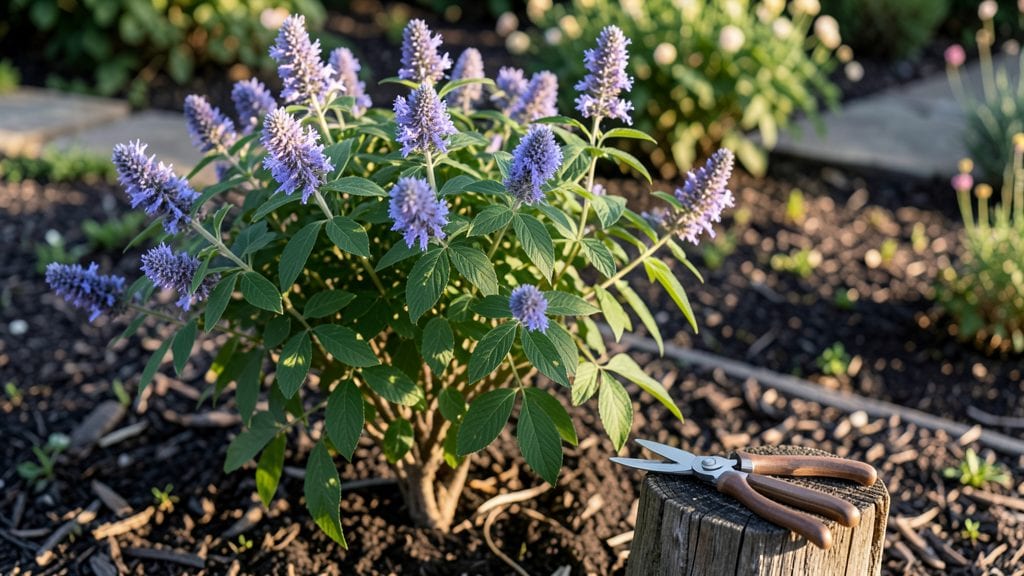
Pruning vitex plants transforms them from leggy shadows into lush, blooming powerhouses—if you do it right. 🌿 I’ve seen vitex go from sparse and sad to covered in purple blossoms by early summer, all because of strategic cuts. The key is timing, technique, and knowing where to stop.
You’ll need sharp pruners, a ladder (for taller plants), and a clear morning to work. The best time is late winter to early spring, before new growth starts, but you can also prune lightly after flowering to encourage another round of blooms.
Avoid cutting into old wood—focus on shaping the plant and removing dead or crossing branches.
Start by removing one-third of the oldest stems at the base to encourage fresh growth. Then, trim back the remaining branches by about one-third to open up the center and improve airflow.
This isn’t just about looks—it forces the plant to put energy into bushier, stronger branches that produce more flowers.
After pruning, give your vitex a deep drink of water and a light fertilizer to help it recover. Within weeks, you’ll see new shoots pushing out, and by summer, those branches will be heavy with blooms.
The secret? Be bold with your cuts—vitex responds better to aggressive pruning than most shrubs.
📚 In This Guide
- What you need
- Instructions
- Tips and common mistakes
- Wrapping up and next steps
What you need
- ● Pruning shears: Bypass pruners (sharp, clean, and sterilized with rubbing alcohol) – 1 pair (for small branches). For thicker stems, use loppers (16-20 inches) or a pruning saw.
- ● Gloves: Heavy-duty, cut-resistant gloves (to protect against thorns and sap) – 1 pair.
- ● Disinfectant: 70% isopropyl alcohol or a 10% bleach solution (for sterilizing tools between cuts).
- ● Garden twine or zip ties: (to secure large branches temporarily if needed) – 1 roll.
- ● Trash bag or bucket: (for collecting pruned branches) – 1-2.
- ○ Marking tool (optional but helpful): Masking tape or a permanent marker (to label branches if you’re training the plant).
- ● Hand pruners: For precision trimming of smaller stems.
- ● Garden hose or spray bottle: To rinse tools and clean sap off hands.
- ● Pruning sealant: (like Tanglefoot Tree Wound Pruning Seal) – for sealing large cuts (controversial but some swear by it!).
- ● Notebook & pen: To jot down pruning notes (e.g., "pruned 3/2024 – heavy bloom cycle").
- ● Safety glasses: If your vitex has sharp thorns or you’re working near your eyes.
Step-by-Step instructions for pruning vitex plants
Here's my go-to method for revitalizing your vitex—clean cuts lead to fuller blooms and sturdier stems.
✂️ Step 1: Time Your Pruning for Maximum Impact
Prune vitex in late winter or early spring, just as new growth begins but before buds swell. This timing ensures you're cutting back old wood while encouraging fresh, vigorous shoots. Avoid pruning in fall or summer—you'll risk stunting next season's blooms or inviting pests to damaged stems.
Look for dormant branches with no leaves or buds. These are the ones to remove first. Use sharp pruners to make clean cuts at a 45-degree angle, about ¼ inch above a leaf node or outward-facing bud. This angle helps rainwater run off instead of pooling and rotting the cut.
✂️ Step 2: Remove Dead, Diseased, or Weak Growth
Scan the plant for dead wood (brown, brittle branches that snap easily) or diseased stems (black spots, oozing sap, or unusual discoloration). Cut these out completely at the base, using your pruners to make a clean slice. Never leave stubs—they invite fungal infections.
Next, identify crossing or rubbing branches—these compete for energy and can create wounds where pests hide. Remove the weaker of the two branches, cutting back to a healthy node. You'll notice the plant's structure opens up immediately, allowing better airflow and sunlight penetration.
✂️ Step 3: Shape for Balance and Airflow
Step back and assess the plant's shape. Vitex thrives with an open, vase-like form, so aim to create tiers of branches rather than a dense center. Start by thinning out overcrowded areas—remove about ⅓ of the oldest stems at the base to encourage new growth from the ground up.
For remaining branches, cut back one-third of the length of the longest stems. Focus on branches that are thicker than a pencil—these benefit most from rejuvenation cuts. Avoid "topping" (cutting the very top off), as this often leads to weak, leggy regrowth. Instead, make your cuts just above a outward-facing bud.
☀️ Step 4: Post-Pruning Care for Rapid Recovery
After pruning, water deeply to help the plant recover. The root system will need moisture to support new growth, especially if you've removed a significant portion of the canopy. Apply a balanced, slow-release fertilizer (like 10-10-10) to provide nutrients without overwhelming the plant.
Monitor the plant closely for the first 2-3 weeks. New shoots should emerge within 3-4 weeks if conditions are right. If you notice yellowing leaves or wilting, reduce watering slightly—overwatering after pruning can stress the plant further. Keep the area around the base mulched with 2-3 inches of organic mulch to retain moisture and suppress weeds.
✂️ Step 5: Maintain Through the Growing Season
Once new growth appears, pinch back the tips of vigorous shoots to encourage bushier growth. This is especially important for vitex, which can become leggy if not guided. Use your fingers or small pruners to snip just above a set of leaves—no need for a clean cut here.
Throughout the season, deadhead spent blooms by cutting back to the first set of healthy leaves. This redirects the plant's energy into producing more flowers rather than seed heads. By mid-summer, you should see a noticeable difference in the plant's density and bloom production compared to the previous year.
Tips & tricks for perfect vitex plant pruning
These simple techniques will help you transform your vitex into a thriving, blooming powerhouse—without the guesswork.
The Timing Factor: Late winter or early spring is your golden window, but don't wait until buds swell! I've seen vitex plants struggle when pruned too late—look for those first tiny green shoots at the base as your cue. If you miss this window, you might end up with leggy growth or stunted blooms next season. Trust me on this: patience pays off with bigger, healthier flowers.
Tool Technique: Sharp pruners are non-negotiable—dull blades tear stems, creating jagged wounds that invite disease. I keep a pair specifically for vitex and sharpen them annually. For thicker branches (thicker than a pencil), use loppers instead. Always make your cuts at that 45-degree angle—it's not just about looks, it's about preventing water from pooling at the cut site, which can lead to rot.
Structural Strategy: When shaping in Step 3, visualize your vitex as a tiered wedding cake rather than a single trunk. Removing about one-third of the oldest stems at the base creates space for new growth to emerge from the ground up. This technique has doubled my vitex's bloom production over the years! Focus on creating that open, airy structure—vitex rewards good airflow with better health and more flowers.
Recovery Checklist: After pruning, your posteffort care is just as important as the cuts themselves. That deep watering and 2-3 weeks of close monitoring make all the difference. I've seen pruned vitex plants wilt dramatically after heavy watering—this is normal! Just reduce watering if you notice yellowing leaves, and keep that mulch ring intact to maintain moisture without overdoing it.
Pro Tips for Vitex Plant Pruning
- These simple techniques will help you transform your vitex into a thriving, blooming powerhouse—without the guesswork.
- The Timing Factor: Late winter or early spring is your golden window, but don't wait until buds swell!
- Tool Technique: Sharp pruners are non-negotiable—dull blades tear stems, creating jagged wounds that invite disease.
Frequently asked questions
Got questions about pruning your vitex plant? You’re not alone!
Whether you’re a first-time pruner or just want to refine your technique, these answers will help you keep your vitex thriving. Let’s dive in!
When is the best time to prune vitex for maximum blooms?
The ideal time is late winter or early spring, just before new growth begins. This ensures you’re shaping the plant while it’s dormant, promoting vigorous blooms later in the season. Pro tip: Avoid heavy pruning in fall—it can stimulate tender new growth that won’t survive frost!
How much can I trim back my vitex without harming it?
Vitex is hardy and forgiving—you can safely remove up to one-third of the plant’s growth in a single pruning. For mature bushes, aim to cut back 1-2 feet from the base to encourage bushier, fuller growth. Warning: Avoid over-pruning; vitex recovers well but may take time to bounce back.
What if my vitex isn’t blooming after pruning?
If your vitex skips blooms, it might be pruned at the wrong time or lacking sunlight. Ensure you’re pruning in late winter/early spring and that it gets full sun (6+ hours/day). Deadheading spent flowers can also encourage more blooms. Bonus: Fertilize lightly in spring with a balanced 10-10-10 formula!
Can I shape vitex into a hedge, or is it better left wild?
Vitex adapts well to hedging if pruned regularly. Use sharp shears to trim it into a rounded or formal shape, and prune lightly every 4-6 weeks during the growing season. Just avoid over-trimming—vitex grows fast but needs room to breathe for best results.
What should I do if my vitex looks leggy after pruning?
Leggy growth often means too much pruning at once or insufficient sunlight. To fix it, prune back only the longest, bare stems and fertilize lightly to encourage bushier regrowth. Move the plant to a sunnier spot if possible, and water deeply but infrequently to avoid weak, stretched growth.
Wrapping up and next steps
Pruning your vitex plant doesn’t have to be intimidating—it’s all about timing, technique, and a little patience! 🌿 With the right tools and a clear plan, you’ll encourage lush blooms, stronger stems, and a healthier plant.
Whether you’re trimming for shape, rejuvenation, or seasonal maintenance, follow these steps to keep your vitex thriving.
Now that you’re equipped with the know-how, grab those shears and get pruning! Start small, observe your plant’s response, and adjust as needed. Your vitex will thank you with vibrant flowers and robust growth—happy pruning! 🌸