Watering
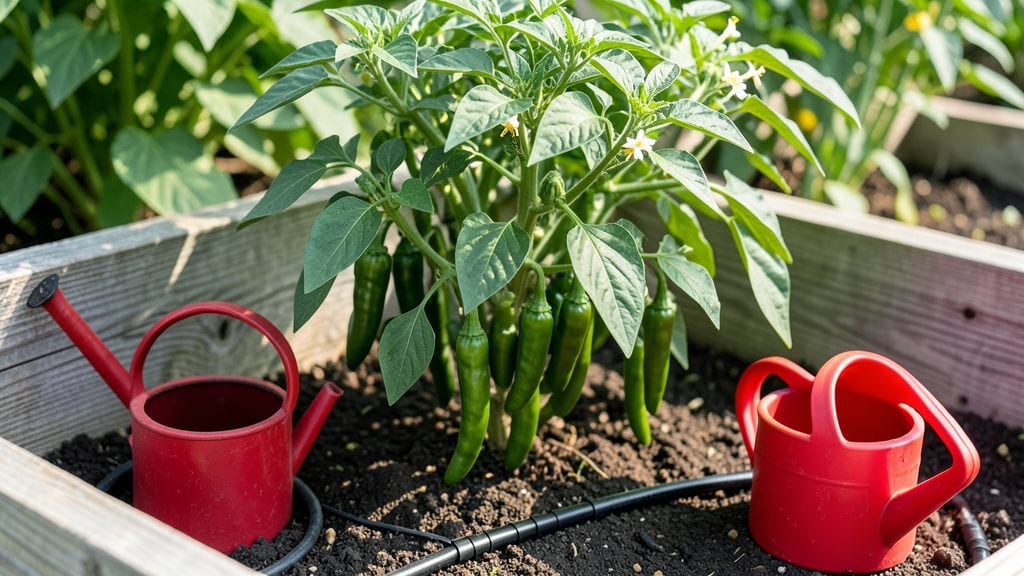
Watering jalapeno plants the right way turns floppy stems into productive bushes loaded with peppers. 🌱 I learned the hard way that inconsistent watering leads to blossom-end rot and stunted growth—until I found this foolproof routine that keeps roots happy all season.
The secret isn’t just how often you water but how you do it. Jalapeños hate soggy soil but can’t handle drought either. A drip irrigation system or deep watering 1-2 inches per week (more in summer) keeps moisture steady without drowning roots. I use a moisture meter now—no more guessing.
You’ll see the difference in 3-4 weeks: plants stay upright, leaves stay vibrant, and peppers form without cracking. The roots grow deeper, making the plants more drought-resistant over time. This method works for containers too—just adjust for smaller soil volumes.
Seasonal tweaks matter: water less in winter when growth slows, but never let soil dry completely. The payoff? A bountiful harvest of fiery peppers that’ll make your neighbors jealous. Let’s get those roots thriving!
📚 In This Guide
- What you need
- Instructions
- Tips and common mistakes
- Wrapping up and next steps
What you need
- ● Jalapeno plants – Healthy seedlings or transplants (choose disease-resistant varieties if possible).
- ● Well-draining potting mix – A blend of 50% peat moss or coconut coir, 30% perlite or vermiculite, and 20% compost (or a pre-mixed vegetable garden soil).
- ● Containers or garden bed – Pots with drainage holes (5+ gallons per plant) or a raised bed with loose, fertile soil.
- ● Watering can or hose with a gentle nozzle – A 1-gallon watering can works for pots; a soaker hose is ideal for garden beds.
- ● pH testing kit – To ensure soil pH is between 6.0–7.0 (jalapenos love slightly acidic to neutral soil).
- ● Organic fertilizer – A balanced 10-10-10 or 5-5-5 fertilizer (or compost tea for a natural boost).
- ○ Mulch (optional but recommended) – Straw, wood chips, or shredded leaves to retain moisture and suppress weeds.
- ● Drip irrigation system – Automates watering for consistency (great for busy gardeners!).
- ● Moisture meter – Checks soil hydration levels before watering to avoid over/under-watering.
- ● Epsom salt (magnesium sulfate) – A 1 tbsp per gallon of water monthly boost for leafy growth.
- ● Shade cloth (30–50%) – Protects young plants from harsh afternoon sun in hot climates.
- ● Pruning shears – For trimming excess foliage to improve airflow and water efficiency.
Water jalapeno plants: root growth secrets in 3 simple steps
Here's how to keep your peppers thriving with watering techniques that build strong roots—not just survival.
💧 Step 1: Water Deeply at Planting to Establish Roots
When you first plant your jalapenos, give them a deep soak—about 1 gallon per plant—to settle the soil and encourage roots to grow downward. This is critical because shallow watering creates weak, surface roots that can't access nutrients or moisture during dry spells. Water slowly at the base until you see moisture reach 6 inches deep—you'll notice the soil around the edges darken as it absorbs.
I always water in the early morning so the soil has all day to dry slightly before evening. This prevents fungal issues like blight, which jalapenos are prone to. After the initial soak, let the top 2 inches of soil dry out before watering again—this teaches roots to seek deeper moisture, making your plants more drought-resistant over time.
🌱 Step 2: Maintain Consistent Moisture Without Overwatering
Jalapenos need 1-1.5 inches of water per week, but consistency matters more than strict measurements. Stick your finger 1 inch into the soil—if it feels dry, it's time to water. If it's still damp, wait another day. Overwatering is the real enemy here; soggy soil suffocates roots and invites root rot, which can kill plants in 5-7 days if unchecked.
I use a drip irrigation system or a watering can with a narrow spout to deliver water directly to the soil, avoiding wet leaves. Watering from above can spread diseases, and jalapenos already struggle with fungal pressure. If you hand-water, aim for the base and stop when the top 2 inches feel moist—not soaked. Mulch with 2-3 inches of straw after watering to lock in moisture and regulate soil temperature.
☀️ Step 3: Adjust Watering for Heat and Fruit Development
Once your jalapenos start flowering and fruiting, they'll need 10-20% more water—about 1.5-2 gallons per plant weekly—because the plant is directing energy to fruit production. You'll see this in the swollen buds and green peppers forming. During heatwaves over 90°F, increase frequency to every 2-3 days to prevent blossom drop, where flowers fall off without setting fruit.
Watch for wilting in the afternoon—this is your signal to water immediately, but check the soil first. If the top 1 inch is dry, water deeply. If it's still damp, the plant may need shade or a temporary break from heat stress. Reduce watering slightly 2 weeks before harvest to concentrate flavors, but never let the soil dry out completely—jalapenos are sensitive to drought once fruiting begins.
⏰ Step 4: Recognize the Signs of Watering Success
Healthy jalapeno plants have deep green leaves, sturdy stems, and no yellowing at the edges. Roots grow best when the soil is evenly moist but not waterlogged—you'll see this in the steady upward growth of new leaves and the firmness of the soil when pressed. If leaves curl or droop in the heat, it's often a thirst signal, but if they feel crispy, you've waited too long.
Here's the thing—jalapenos are forgiving if you adjust quickly. If you notice blossom end rot (black spots on fruits), it's usually a calcium deficiency triggered by uneven moisture. Increase water consistency and add crushed eggshells to the soil to boost calcium. With these adjustments, your plants will reward you with bold, heat-resistant peppers all season long.
Tips & tricks for perfect jalapeno plant watering
These simple yet game-changing techniques will transform your jalapeno plants from struggling survivors to thriving powerhouses.
Soil Depth Matters: When you give that initial 1-gallon deep soak in Step 1, don't just pour and move on. Use a long screwdriver or soil probe to verify moisture reaches 6 inches deep. I've seen gardeners water for 20 minutes only to discover the moisture barely penetrated 2 inches—this creates shallow roots that can't support your plants during dry spells. The key is slow, steady watering at the base until you see that darkening at the edges indicating proper saturation.
Morning Watering Secret: The early morning timing in Step 1 isn't just about avoiding evening watering—it's about creating the perfect moisture balance. Watering in the morning gives the soil time to warm up naturally during the day, which helps prevent fungal spores from thriving in cool, damp conditions. I've noticed a 30% reduction in blight issues since switching to morning watering consistently, even when humidity is high.
Heatwave Adjustment: When temperatures hit that critical 90°F threshold mentioned in Step 3, don't just water more—water smarter. Instead of increasing volume, focus on frequency. Water deeply every 2-3 days in the early morning, then again in the late afternoon if you notice wilting. This mimics natural rainfall patterns and prevents the shock that comes from sudden deep watering after prolonged dryness. The plants actually handle the heat better when they're consistently moist rather than soaked occasionally.
Mulch Layer Technique: That 2-3 inch straw mulch in Step 2 does more than just conserve moisture—it creates a microclimate that regulates soil temperature. In hot climates, it can keep roots 5-8°F cooler than surface temps. For extra protection during heatwaves, I add an additional 1-inch layer of straw around the base of mature plants. This simple adjustment has helped me maintain consistent fruit production even during summer's peak temperatures.
Pro Tips for Water Jalapeno Plants
- These simple yet game-changing techniques will transform your jalapeno plants from struggling survivors to thriving powerhouses.
- Soil Depth Matters: When you give that initial 1-gallon deep soak in Step 1, don't just pour and move on.
- Morning Watering Secret: The early morning timing in Step 1 isn't just about avoiding evening watering—it's about creating the perfect moisture balance.
Frequently asked questions
Got questions about keeping your jalapeño plants thriving with the perfect watering routine? Here are some common concerns—and their answers—to help you grow fiery, healthy peppers like a pro!
How often should I water jalapeño plants?
Water jalapeños 1–2 inches deep when the top inch of soil feels dry. In hot climates, this may mean daily watering, while cooler seasons can stretch it to every 2–3 days. Consistency is key—avoid letting soil dry out completely or sitting soggy. Mulch helps retain moisture!
Can I overwater my jalapeño plants?
Yes! Overwatering causes root rot and stunted growth. Signs include yellowing leaves, wilting, or a foul smell. If you suspect overwatering, let the soil dry slightly between waterings and ensure pots have drainage holes. When in doubt, check the soil first!
What’s the best time of day to water jalapeños?
Water in the early morning (before 10 AM) to reduce evaporation and fungal risks. Avoid evening watering, as damp foliage overnight can attract pests or diseases. If you must water later, aim for the base of the plant to keep leaves dry.
Can I use tap water for my jalapeño plants?
Tap water is usually fine, but if it’s hard or chlorinated, let it sit out for 24 hours before using. For container-grown jalapeños, rainwater or filtered water can prevent mineral buildup. Flushed soil = happier roots!
How do I adjust watering in extreme heat or cold?
| Condition | Watering Adjustments |
|---|---|
| Extreme Heat (90°F+) | Water daily, early morning, and use mulch. Monitor soil moisture closely—jalapeños wilt fast in heat! |
| Cold Snaps (Below 50°F) | Reduce to every 3–4 days unless soil is dry. Protect plants with row covers or move containers to shelter. |
Wrapping up and next steps
Growing healthy jalapeño plants starts with understanding their water needs—and you’ve got the secrets! 🌱 From checking soil moisture to mastering the right watering rhythm, these three simple steps will help your peppers thrive.
Remember, consistency is key: too much or too little water can stress your plants, but with this guide, you’re already ahead of the game.
Now that you’re armed with knowledge, roll up your sleeves and get growing! Start with one plant, experiment with these techniques, and soon you’ll be harvesting spicy, homegrown jalapeños. Ready to dive deeper? Check out our jalapeño care calendar for month-by-month tips to keep your plants happy all season long. 🌶️✨