
Watering
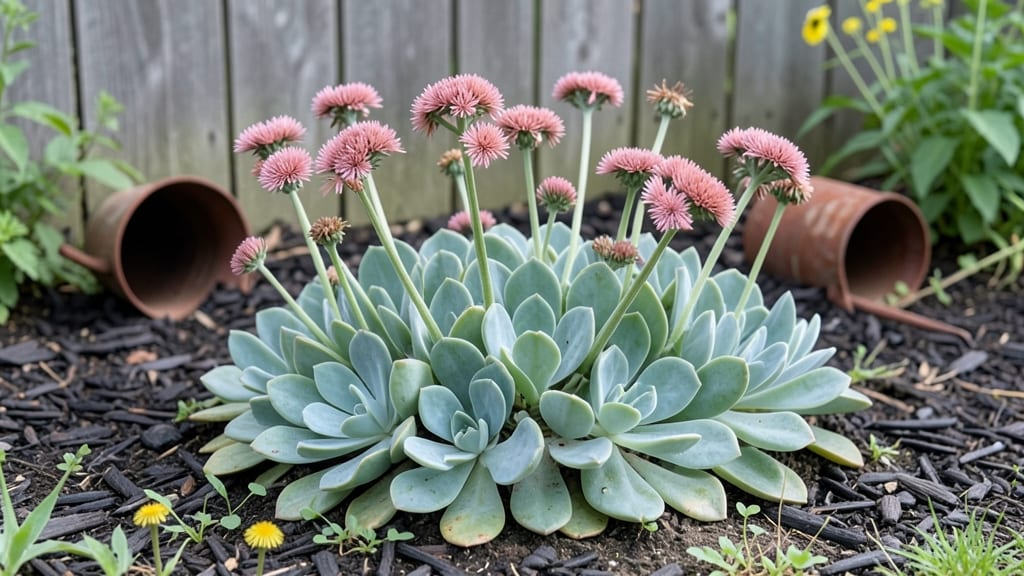
Water-resistant plants turn soggy spots into lush, thriving gardens. 🌿 I’ve learned the hard way—after losing three prized hostas to root rot last spring—that not all plants drown in wet soil. The secret lies in plants with natural aerated roots or thick stems that shrug off saturation.
Think beyond the usual suspects: pickerelweed thrives in standing water, while cattails and irises handle soggy soil like champions. Even hostas (when planted in raised beds) and asters can survive with the right soil prep—amending with compost or sand to improve drainage.
These plants don’t just tolerate wet feet; they flourish in it.
You’ll end up with a garden that stays vibrant even after heavy rains, complete with bold foliage and striking blooms. The key is matching plants to your soil’s moisture level—no more guessing or lost plants.
Let’s dive into the best picks for your climate and how to set them up for success.
Whether you’re dealing with a low-lying yard, frequent downpours, or a boggy corner, these plants adapt. For tropical zones, consider water hyacinths or lotus; in temperate climates, try marsh marigolds or sweet flag. The right choices make wet gardens not just survivable, but stunning.
📚 In This Guide
- What you need
- Instructions
- Tips and common mistakes
- Wrapping up and next steps
What you need
- ● Water-resistant plant seedlings or seeds: Choose from carex, ligularia, tiarella, or hostas (2–5 plants, depending on garden size).
- ● Well-draining soil mix: 1–2 bags (50 lbs each) of peat moss, perlite, or coconut coir blended with garden soil (1:1 ratio).
- ● Containers or garden beds: For containers: 5–10-gallon pots with drainage holes (1–2 per plant).
- ○ For in-ground planting: Raised beds or slopes to improve drainage (optional but helpful).
- ● Organic mulch: 1–2 bags (1 cubic foot each) of shredded bark, pine straw, or wood chips to retain moisture without suffocating roots.
- ● Watering can or hose with a gentle spray nozzle: For even, low-pressure watering (avoid blasting roots!).
- ● Garden gloves: 1 pair (to protect hands from soil and sharp edges).
- ● Trowel or hand shovel: For planting and soil amendments (6–8 inches long).
- ○ pH testing kit (optional but recommended): To ensure soil pH is between 5.5–6.5 (ideal for most water-loving plants).
- ○ Drainage test kit (optional): A DIY test with a clear bottle and soil to check drainage speed (aim for not waterlogged after 24 hours).
- ● Sunlight map of your yard: Identify areas with partial shade (4–6 hours of sunlight) for optimal plant placement.
- ● 🌡️ Soil temperature: Wait until soil warms to at least 50°F (10°C) before planting (spring or fall is ideal).
- ● ✨ Container hack: Add a layer of gravel or broken pottery at the bottom of pots to boost drainage.
- ● 🔥 Avoid overwatering: Water only when the top 1–2 inches of soil feel dry—water-resistant plants hate soggy roots!
How to select and plant water-resistant plants for wet climates
Here’s how to choose plants that thrive in soggy soil and avoid the dreaded root rot.
🌱 Step 1: Choose the Right Water-Resistant Plants
Start with plants that naturally handle excess moisture. My top picks for wet climates are cattails, switchgrass, sweet flag, and marsh marigold—they’re tough, beautiful, and designed for damp conditions. Avoid anything with shallow roots like impatiens or ferns, which rot quickly in standing water.
Check your USDA hardiness zone to ensure the plants you pick can survive your climate’s winters. For example, cattails (Typha) thrive in zones 3-10, while sweet flag (Acorus) does best in zones 4-9. Planting the right species means fewer headaches down the road.
🪴 Step 2: Prepare the Soil for Drainage
Even water-resistant plants need soil that drains eventually. If your yard has heavy clay or poor drainage, amend the soil with 2-3 inches of compost mixed into the top 12 inches of soil. This improves aeration without making the area too dry.
For truly soggy spots, consider raising beds slightly (6-12 inches) or creating a swale—a shallow trench planted with moisture-loving species. This redirects water away from roots while keeping the plants hydrated. Test drainage by digging a hole, filling it with water, and timing how long it takes to drain—more than 6 hours means you need to adjust the soil further.
☀️ Step 3: Plant in the Right Location
Place water-resistant plants where they’ll get 4-6 hours of sunlight daily, unless you’re growing shade-tolerant varieties like bog bean (Menyanthes) or skunk cabbage (Symplocarpus). These thrive in partial shade but still need airflow to prevent fungal issues.
Space plants according to their mature size—cattails need 3-4 feet apart, while switchgrass (Panicum) can handle 2-3 feet. Crowding leads to poor airflow, which traps moisture and invites rot. Mulch with 2-3 inches of wood chips to suppress weeds and regulate soil temperature, but keep mulch 6 inches away from stems to avoid suffocating roots.
💧 Step 4: Water Strategically (Yes, Even for "Water-Resistant" Plants)
These plants handle wet soil, but standing water for weeks will still kill them. After planting, water deeply to settle the soil, then let nature take over. If your yard floods frequently, install a French drain or plant in a raised bed to prevent prolonged saturation.
Monitor leaves for yellowing or wilting—a sign of oxygen deprivation. Healthy water-resistant plants should look vibrant, not stressed. If you notice mold or slimy stems, reduce watering slightly and improve airflow by thinning nearby foliage.
✂️ Step 5: Maintain for Long-Term Success
Prune dead or diseased stems in early spring to encourage new growth. For grasses like switchgrass, cut back 4-6 inches in late winter to prevent thatch buildup. Divide clumping plants like sweet flag every 3-4 years to keep them vigorous—overcrowding leads to weak centers.
Fertilize lightly in early spring with a balanced, slow-release fertilizer (10-10-10). Water-resistant plants don’t need much—too much nitrogen makes them soft and prone to rot. A light feeding once a year is plenty. Watch for pests like slugs in damp conditions; diatomaceous earth or copper barriers work well without harming plants.
Tips & tricks for perfect water-resistant plant landscaping
Here's what I learned after years of trial and error with soggy soil—these tricks will help your water-resistant plants thrive without the rot.
Plant Selection Wisdom: When choosing from cattails, switchgrass, sweet flag, or marsh marigold, consider their mature height. Taller varieties like cattails (which can reach 6-12 feet) need more space and make stunning focal points, while sweet flag (2-3 feet) works beautifully in borders. I always check the plant's natural habitat—if it grows in wetlands, it'll handle your soggy spots.
Soil Preparation Secret: That 2-3 inches of compost mixed into 12 inches of soil isn't just about drainage—it's about creating a sponge-like environment. For the drainage test, I time how long water takes to disappear: under 6 hours is ideal, 6-12 hours means you're close, and anything longer means you need to raise beds or install drainage. Don't skip this test—it's the difference between thriving plants and root rot.
Sunlight Strategy: The 4-6 hours of sunlight requirement is non-negotiable for most water-resistant plants, but here's the catch: morning sun is gentler than afternoon heat. If your yard gets intense afternoon sun, position plants to catch morning rays instead. For shade-tolerant varieties like bog bean, I've found they do best with dappled shade—think of it as sunlight through a filter.
Maintenance Shortcuts: That early spring pruning and dividing every 3-4 years might seem like extra work, but here's the hack: do both tasks at the same time in early spring. Prune first to clear dead growth, then divide congested clumps. It's a two-for-one that keeps your plants healthy and your workload manageable. The 4-6 inch cutback for grasses like switchgrass is crucial—it prevents thatch buildup that smothers roots.
Pro Tips for Water Resistant Plants
- Here's what I learned after years of trial and error with soggy soil—these tricks will help your water-resistant plants thrive without the rot.
- Plant Selection Wisdom: When choosing from cattails, switchgrass, sweet flag, or marsh marigold, consider their mature height.
- Soil Preparation Secret: That 2-3 inches of compost mixed into 12 inches of soil isn't just about drainage—it's about creating a sponge-like environment.
Frequently asked questions
Got questions about keeping your garden lush in soggy soil?
Here are answers to the most common concerns—so you can grow water-resistant plants with confidence!
Can water-resistant plants survive in standing water?
While these plants tolerate excess moisture, most still need well-draining soil—even if they’re wetland natives. Avoid letting water pool for days; amend soil with compost or sand if needed. Plants like cattails or swamp milkweed thrive in shallow water, but others (e.g., heuchera) prefer damp but not soggy roots.
How long does it take for water-resistant plants to establish?
Patience is key! Most water-tolerant plants take 6–12 months to fully root and adapt. During this time, monitor for yellowing leaves (a sign of stress) and avoid overwatering. Pro tip: Mulch with 3–4 inches of organic matter (like wood chips) to stabilize soil moisture and speed up establishment.
What’s the best alternative if my yard is constantly flooded?
If water doesn’t drain within 48 hours, consider:
- Raised beds: Fill with a mix of peat moss, perlite, and compost (60:30:10 ratio).
- Container gardening: Use pots with drainage holes and elevate them on bricks or cinder blocks.
- Native bog plants: Try pickerelweed or blue flag iris—they’re built for permanent saturation.
For severe cases, consult a landscape professional to assess drainage solutions.
Why are my water-resistant plants still dying?
Even tough plants can fail if:
- Poor soil: Compacted or clay-heavy soil suffocates roots. Test pH (ideal: 5.5–7.0) and loosen with gypsum if needed.
- Pests/fungus: Check for slugs (use beer traps!) or root rot (black, mushy roots). Prune affected areas immediately.
- Overcrowding: Water-resistant plants need 12–24 inches of spacing to breathe. Thin out seedlings if competing for oxygen.
Quick fix: Trim dead foliage to redirect energy to healthy growth.
Can I mix water-resistant plants with drought-tolerant ones?
Yes! Group plants by water needs in zones:
- Wet zone: Cattails, sweet flag, or lobelia (thrive in moisture).
- Dry zone: Sedum, lavender, or Russian sage (keep soil dry).
- Transition zone: Heuchera or astilbe (handle occasional dry spells).
Use swales (shallow trenches) to guide water flow naturally between zones.
Wrapping up and next steps
Transforming your soggy garden into a lush, thriving oasis is totally doable with the right water-resistant plants! 🌿 From moisture-loving perennials to resilient shrubs, you now have the knowledge to choose, plant, and care for greenery that thrives—without the dreaded root rot.
Remember, success starts with well-draining soil, smart spacing, and a little extra TLC for newbies.
Ready to take the next step? Pick 2-3 plants from our list, grab your gardening tools, and start planting this weekend! Need inspiration? Sketch a simple garden layout or check out local nurseries for hardy varieties. Your future garden will thank you—one damp-resistant plant at a time! 🌧️✨