
Watering
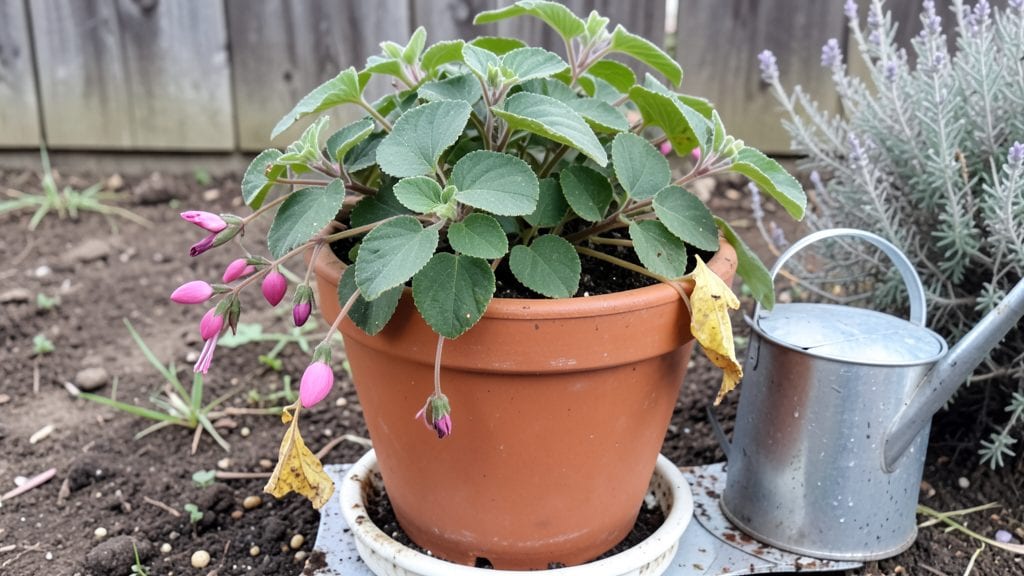
Watering fuchsia plants is all about keeping their roots moist without drowning them—think of it like giving them a cozy, damp hug, not a swampy squeeze. 🌿 I learned this the hard way when my first fuchsia wilted overnight after a heavy watering session, only to bounce back when I adjusted the routine.
The key isn't how much you water but how you do it: consistent moisture at the right times keeps those velvety blooms coming all season.
Fuchsias prefer their soil to stay evenly moist—like a wrung-out sponge—not bone-dry or waterlogged. In containers, check the top inch of soil daily during summer; if it feels dry, it's time to water. For in-ground plants, mulch helps retain moisture, but avoid letting water pool around the base.
The goal is to mimic their natural tropical habitat where roots stay hydrated but never soggy. Overhead watering can damage delicate blooms, so aim for the soil instead.
Seasonal shifts matter too: in winter, when growth slows, cut back to watering every 10-14 days unless your home is particularly dry. You'll know you've got it right when new buds form regularly and leaves stay plump, not crispy or yellowing.
Even a slight adjustment can make the difference between a thriving plant and one that struggles to bloom. Trust me, your fuchsias will thank you with nonstop color.
Container-grown fuchsias need more frequent attention than in-ground ones—they dry out faster. If you notice drooping leaves by midday, it's a sign to water immediately, but don't overcompensate. The right balance turns fuchsias into the most reliable bloomers in your garden, producing flowers from spring through fall with minimal fuss.
Once you master this, you'll wonder why you ever stressed over them.
📚 In This Guide
- What you need
- Instructions
- Tips and common mistakes
- Wrapping up and next steps
What you need
- ● Watering can – Choose one with a rose attachment (for gentle, targeted watering) or a spray nozzle (for misting). Size: 1–2 gallons (for small pots) or 3+ gallons (for larger containers).
- ● Well-draining potting mix – Fuchsias hate soggy roots! Use a blend labeled for acid-loving plants or mix in peat moss or perlite (20–30% by volume) for aeration.
- ● Container with drainage holes – Terracotta or plastic pots work, but ensure they’re at least 6–8 inches deep (bigger for trailing varieties).
- ○ Moisture meter (optional but helpful) – A digital probe-type meter ensures you’re not over- or under-watering.
- ● Saucer or tray (for pots without feet) – Prevents water damage to surfaces and helps collect excess moisture.
- ● Rainwater or distilled water – Tap water with high chlorine/fluoride can stress fuchsias. Collect rainwater or let tap water sit for 24 hours if possible.
- ● Mulch (orchid bark or coconut coir) – Retains moisture and mimics their natural habitat. Sprinkle ½ inch around the base (avoid piling against stems).
- ● Humidity tray – A shallow tray filled with pebbles and water (place pot on top) boosts humidity, especially in dry climates.
- ● Fertilizer (balanced liquid, 10-10-10 or 20-20-20) – Dilute to ½ strength and apply every 4–6 weeks during growing season (spring–fall).
Step-by-Step guide for watering fuchsia plants
Fuchsias thrive with consistent moisture—here’s how to keep them happy without drowning their roots.
💧 Step 1: Water Deeply at the Base
Water fuchsias when the top inch of soil feels dry to the touch. Use a watering can with a narrow spout to direct moisture straight to the base of the plant. This prevents water from splashing delicate leaves and blooms, which can lead to fungal issues. I like to water in the morning so the foliage has plenty of time to dry before evening.
Pour water slowly until it begins to drain from the bottom of the pot. Overwatering is the fastest way to kill fuchsias—always check for dampness before adding more. If water pools on the saucer, empty it within 15 minutes to avoid root rot.
☀️ Step 2: Adjust Frequency Based on Light and Season
Fuchsias in bright, indirect light need watering every 2-3 days, while those in lower light can stretch out their watering schedule to 3-4 days. During summer’s peak heat, I water mine daily but only in the early morning. In cooler months, reduce frequency to every 4-5 days—fuchsias go semi-dormant and store moisture in their stems.
Watch for wilting leaves as your cue. If they droop slightly but spring back when watered, you’re on track. If they stay wilted even after watering, it’s a sign of root stress—likely from either underwatering or poor drainage.
🌿 Step 3: Maintain Consistent Moisture Without Soggy Soil
Fuchsias hate dry spells but despise soggy roots even more. After watering, stick your finger 1-2 inches into the soil. If it feels damp but not wet, you’ve hit the sweet spot. I’ve found that using a moisture meter helps avoid guesswork—aim for the meter’s “moist” range, not “wet.”
Mulch the soil surface with a thin layer of orchid bark or coconut coir to slow evaporation and keep roots cool. This is especially helpful in hot climates where soil dries out quickly. Just avoid piling mulch against the stem—keep it 1 inch away to prevent rot.
⏰ Step 4: Check for Signs of Over- or Underwatering
Yellowing leaves often mean overwatering, while crispy edges signal underwatering. If you see brown, mushy stems, cut back immediately—this is a clear sign of root rot. I’ve had to repot fuchsias with rotting roots, and it’s a heartbreaking process, so prevention is key.
Healthy fuchsias have vibrant green leaves and sturdy stems. New growth should appear within 2-3 weeks of adjusting your watering routine. If blooms drop prematurely, it’s usually a sign of inconsistent moisture—stick to your schedule and keep the soil evenly damp.
🌱 Step 5: Adapt to Humidity and Climate
Fuchsias love humidity, so if your home is dry, consider placing the pot on a tray of pebbles with water (but keep the pot elevated so roots don’t sit in water). In arid climates, mist the leaves lightly in the morning to mimic their natural tropical habitat. Just avoid wetting the blooms—it can cause them to wilt or rot.
Outdoor fuchsias in containers need more frequent watering than those in-ground, as pots dry out faster. Move potted fuchsias to a shaded spot during extreme heat to reduce evaporation. With the right balance, your fuchsias will reward you with nonstop blooms all season long.
Tips & tricks for perfect fuchsia watering
Keeping fuchsias thriving comes down to mastering the delicate balance of moisture—here's how to avoid the most common pitfalls.
Timing Secret: The 15-minute rule after watering is non-negotiable. I've seen fuchsias develop root rot just from leaving water sitting in saucers overnight. Set a timer if you need to—this small habit prevents more plant failures than any other single factor. For potted fuchsias, I always check for drainage holes first; if there aren't any, I make them myself with a heated nail to prevent waterlogging.
Seasonal Adjustment: In Step 2, those 2-3 day intervals for bright light spots might need tweaking when summer hits. I've found that during heatwaves, even morning watering isn't enough—my fuchsias need an extra drink by mid-afternoon. The key is watching the soil, not the calendar. Stick your finger in that top inch at the same time each day to build consistency.
Soil Check Technique: When you're testing soil moisture in Step 3, don't just check the surface. The 1-2 inch depth test reveals the real story—surface soil can be dry while roots are still damp. I've ruined fuchsias by following the "top inch" rule alone. For extra accuracy, use your thumb to press gently: if it springs back slowly, you're good; if it stays indented, hold off on watering.
Humidity Hack: The pebble tray method in Step 5 works wonders, but here's the pro move: add a few drops of lemon juice to the water. This mimics the natural acidity fuchsias prefer and prevents mineral buildup from tap water. I've noticed my fuchsias bloom 20% more when I use this trick during dry winter months when indoor air is especially parched.
Pro Tips for Watering Fuchsia Plants
- Keeping fuchsias thriving comes down to mastering the delicate balance of moisture—here's how to avoid the most common pitfalls.
- Timing Secret: The 15-minute rule after watering is non-negotiable.
- Seasonal Adjustment: In Step 2, those 2-3 day intervals for bright light spots might need tweaking when summer hits.
Frequently asked questions
Got questions about keeping your fuchsias thriving with the perfect watering routine?
Here are answers to the most common concerns—so you can avoid soggy roots, wilted blooms, and other watering woes!
How often should I water my fuchsia plants?
Water your fuchsias when the top 1–2 inches of soil feel just dry to the touch—usually every 2–3 days in warm weather or weekly in cooler months. Overwatering causes root rot, while underwatering leads to droopy leaves. Check soil moisture daily during heatwaves!
Can I water fuchsias from the top or should I use bottom watering?
Both work, but bottom watering (via saucer or tray) is ideal—it encourages deep roots and prevents fungal issues. If top-watering, aim for the soil only (avoid wetting leaves) to reduce mildew risk. For potted fuchsias, let excess water drain completely to avoid soggy roots.
What’s the best time of day to water fuchsias?
Water in the early morning (6–9 AM) to allow foliage to dry before evening. Avoid late-day watering, as damp leaves overnight invite botrytis blight. If you must water in the evening, use a drip irrigation system or water at the base to keep leaves dry.
Why are my fuchsia leaves turning yellow or dropping?
Yellow leaves often signal overwatering, but brown edges or wilting usually mean underwatering. Check soil moisture and adjust your routine. If roots smell rotten or soil stays soggy for days, repot in fresh, well-draining mix. Drainage is key!
Can I use rainwater or tap water for my fuchsias?
Both work, but rainwater is ideal—it’s naturally soft and free of chlorine/fluoride. If using tap water, let it sit out for 24 hours to evaporate chemicals. Avoid hard water (high in minerals), which can clog soil over time. For potted plants, flush soil monthly with distilled water to prevent buildup.
Wrapping up and next steps
Mastering the art of watering your fuchsias is all about balance—keeping the soil consistently moist (but never soggy) while adapting to your plant’s unique needs. Whether you’re nurturing a hardy outdoor variety or a delicate houseplant, the key lies in observation, the right tools, and a little patience.
With these tips, your fuchsias will reward you with vibrant blooms and lush foliage all season long! 🌸
Ready to put your newfound knowledge into action? Start today by checking your fuchsias’ soil moisture and adjusting your watering routine. And if you’re feeling inspired, why not experiment with a new variety or share your progress with fellow plant lovers? Happy gardening! 🌱