Watering
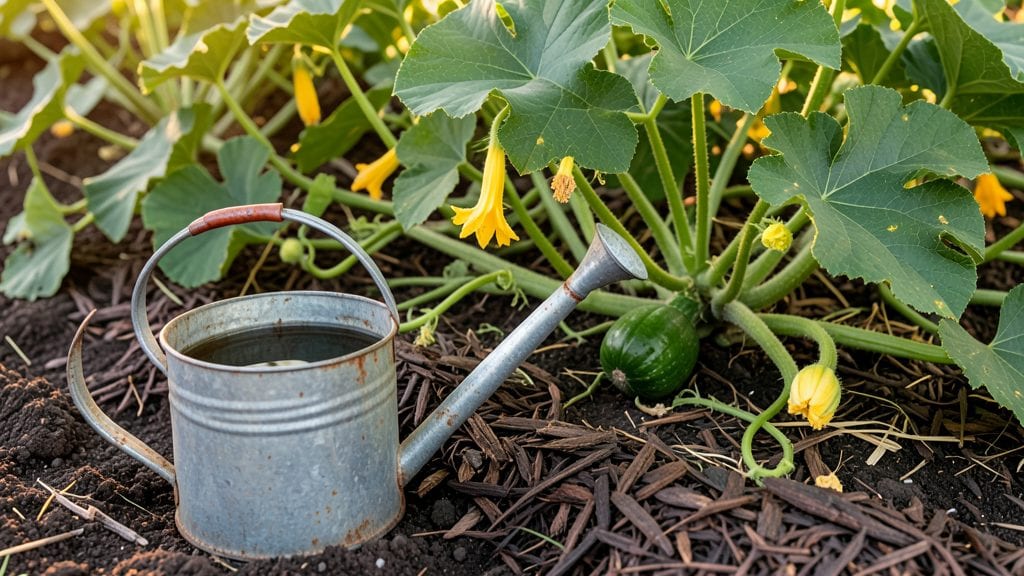
Watering squash plants feels like walking a tightrope between too much and not enough—get it right, and you’ll harvest bushels of plump fruit all season. 🌿 I’ve learned the hard way that inconsistent watering leads to bitter fruit, cracked vines, and powdery mildew, but the perfect routine transforms a struggling patch into a productive powerhouse.
The key isn’t just how much you water, but when and how—soaking the soil deeply once or twice a week beats light daily sprinkles every time.
Start by checking soil moisture with your finger: if the top 2–3 inches feel dry, it’s time to water. Squash vines need about 1–2 inches of water per week, but in summer heat, they’ll drink twice that.
The secret weapon? A 5-gallon bucket with a slow trickle—it delivers water right to the roots where it counts, without wetting the leaves (which invites disease). Mulch helps too, keeping moisture locked in and weeds at bay.
You’ll know you’ve nailed it when vines sprawl vigorously and fruit swells evenly, free of deformities. Too little water? Flowers drop off, and fruit turns tough and seedy. Too much? Yellow leaves and rot set in.
The perfect balance gives you sweet, tender squash that’s the envy of the neighborhood—and saves you from throwing away half your harvest. Here’s how to keep it consistent, no matter the season.
Adjust for summer’s scorching heat by watering early in the morning or late evening, and cut back in cooler months when growth slows. A simple drip irrigation system or soaker hose makes this foolproof, even if you’re not home all day.
Once you master the rhythm, your squash plants will reward you with more fruit than you know what to do with—and fewer headaches along the way.
📚 In This Guide
- What you need
- Instructions
- Tips and common mistakes
- Wrapping up and next steps
What you need
- ● Water source: Hose with adjustable nozzle (or a watering can with a long spout for precision). Pro tip: A drip irrigation system (💡) is ideal for consistent moisture without overwatering.
- ● Watering schedule tracker: A notebook, calendar, or app (like Gardenate) to log watering times.
- ● Mulch: Organic mulch (straw, shredded leaves, or grass clippings) to retain soil moisture. Use: 2–3 inches around the base of plants.
- ○ Soil moisture meter (optional but helpful): A simple probe-style meter to check moisture levels at the root zone (2–3 inches deep).
- ● Rain gauge: To monitor natural rainfall and adjust watering accordingly.
- ● Soaker hoses or bubblers: For gentle, deep watering without disturbing the soil.
- ● pH test kit: To ensure soil pH is between 6.0–7.0 (squash prefers slightly acidic to neutral soil).
- ● Compost or fertilizer: A balanced organic fertilizer (like 10-10-10) to replenish nutrients after heavy watering.
Step-by-Step guide to watering squash plants for optimal growth
Here’s how to keep your squash vines thriving with the right watering rhythm—no guesswork, just perfect results.
💧 Step 1: Water Deeply at Planting to Establish Roots
When you first transplant squash seedlings, give them a deep soak—about 1 gallon per plant—to encourage roots to spread downward. This prevents shallow root systems that lead to weak vines later. Water slowly at the base so it penetrates 6-8 inches deep instead of just wetting the surface.
Check the soil 2 inches down with your finger. If it feels dry, water again until moisture reaches that depth. This initial deep watering is critical because squash roots struggle to recover if they start too dry. Avoid overhead watering at this stage—it can spread soil-borne diseases and wash away young plants.
💧 Step 2: Maintain Consistent Moisture During Flowering
Once flowers appear, squash plants need 1-1.5 inches of water per week, delivered consistently. Let the top 1-2 inches of soil dry slightly between waterings—this prevents rot but keeps the roots hydrated enough for fruit set. I use a soaker hose or drip irrigation to deliver water directly to the base, which keeps leaves dry and reduces fungal risks.
Morning watering is ideal because it gives foliage time to dry before evening humidity sets in. You’ll know you’re nailing it when the soil feels like a slightly damp sponge—not soggy, not bone-dry. Skipping water here leads to blossom-end rot in fruits or weak vines that can’t support heavy squash.
💧 Step 3: Increase Water During Fruiting for Heavy Yields
When squash begin to swell, ramp up watering to 1.5-2 inches per week, especially in hot weather. The vines and developing fruits demand more moisture, and stress from drought causes fruits to develop bitter flavors or crack. I water every other day during peak heat, always checking the soil 3 inches down—that’s where the roots are actively growing.
Split your watering into two sessions: once in the morning and once in the late afternoon. This mimics natural rainfall patterns and prevents shock. Watch for wilting leaves—if they droop by midday, you’re not watering enough. But if the soil stays soggy for more than a day, you’re overdoing it and risking root rot.
⏰ Step 4: Adjust for Weather and Soil Type
Clay soil holds moisture longer, so you’ll water every 3-4 days unless it’s scorching. Sandy soil drains fast, so check it daily during heatwaves. I always adjust based on rainfall too—if we get ½ inch of rain, I skip a watering day entirely. Use a rain gauge to track accumulation and avoid overwatering.
In extreme heat (above 90°F), mulch with 2-3 inches of straw to lock in moisture and keep roots cool. This single trick cuts water needs by 30% while preventing soil crusting. If you see yellowing leaves, it’s often a sign of uneven watering—too much or too little. Adjust immediately to restore balance.
✂️ Step 5: Taper Off Before Harvest to Improve Flavor
About 2 weeks before harvesting, reduce watering slightly to concentrate sugars in the squash. Let the top 2 inches of soil dry out more between waterings, but don’t let vines wilt. This stress triggers sweeter, firmer fruits. I water every 4-5 days at this stage, always in the morning so the plants have the whole day to recover.
Harvest when squash feel heavy for their size and the skin is hard all over. Overwatering at this point dilutes flavor and makes storage difficult. After picking, water the remaining vines lightly to encourage any straggler fruits to mature. This final adjustment ensures your squash taste peak-perfect—worth every drop of effort!
Tips & tricks for perfect watering of squash plants
Mastering the art of watering squash plants transforms your garden from good to spectacular—here’s how to avoid common pitfalls and get it right every time.
Soil Depth Matters: In Step 1, when you’re giving that initial deep soak, don’t just water the surface! Use a long screwdriver or trowel to poke holes 6-8 inches deep around the base of the plant. This lets you check if water is truly reaching the roots where it matters most. If the hole feels dry, keep watering slowly until moisture appears at that depth. This step prevents shallow root systems that can’t support heavy vines later.
Morning Watering is Non-Negotiable: The instructions emphasize morning watering for a reason—it gives leaves all day to dry, reducing fungal diseases like powdery mildew. I’ve seen squash plants go from thriving to struggling in just a few days when watered in the evening. Set a reminder for 6-8 AM and stick to it. If you must water later, aim for 10 AM at the earliest to prevent overnight moisture buildup.
Heatwave Survival Strategy: When temperatures hit above 90°F (as mentioned in Step 4), squash plants can’t handle their usual watering schedule. Here’s my secret: split the 1.5-2 inches per week into three sessions—morning, midday, and late afternoon. This mimics natural rainfall patterns and prevents shock. I also add 2-3 inches of straw mulch immediately after watering to lock in moisture and keep roots cool. This combo cuts water needs by 30% while preventing bitter-tasting fruits.
Visual Cues for Perfect Moisture: The instructions mention checking soil moisture, but here’s how I really do it: press your finger 1-2 inches down (Step 2) and look for these clues. If soil feels like a slightly damp sponge, you’re golden. If it crumbles, water more. If it’s sticky, you’re overdoing it. For the 3-inch check during fruiting (Step 3), I use a clean wooden skewer—if it comes out clean, water again. This tactile method is foolproof and saves you from guesswork.
Pro Tips for Watering Squash Plants
- Mastering the art of watering squash plants transforms your garden from good to spectacular—here’s how to avoid common pitfalls and get it right every time.
- Soil Depth Matters: In Step 1, when you’re giving that initial deep soak, don’t just water the surface!
- Morning Watering is Non-Negotiable: The instructions emphasize morning watering for a reason—it gives leaves all day to dry, reducing fungal diseases like powdery mildew.
Frequently asked questions
Got questions about keeping your squash plants happy and hydrated?
Here are answers to the most common concerns—so you can grow thriving vines and bountiful fruit without stress.
How often should I water squash plants?
Squash plants need 1 to 1.5 inches of water per week, either from rainfall or manual watering. During hot, dry spells, increase to 2 inches—especially for young plants or when fruits are forming. Key tip: Water deeply 2-3 times per week (early morning is best) instead of shallow daily sessions to encourage strong root growth.
What’s the best time of day to water squash?
Water squash plants early in the morning (6-9 AM) to reduce evaporation and fungal risks. Avoid evening watering, as damp foliage overnight can lead to powdery mildew. If you must water later, ensure leaves dry quickly by spacing vines properly and avoiding overhead sprinklers.
Can I use mulch to help with watering?
Apply 2-3 inches of organic mulch (straw, grass clippings, or wood chips) around the base of plants to:
- Retain moisture (reduces watering frequency by 30-50%).
- Regulate soil temperature (keeps roots cool in summer).
- Suppress weeds (competes for water).
Why are my squash leaves turning yellow or wilted?
Yellowing leaves often signal overwatering (check for soggy soil) or underwatering (dry, crispy edges). Wilting can also mean:
- Root stress (adjust watering frequency).
- Heat stress (provide afternoon shade if temps exceed 90°F).
- Blossom end rot (calcium deficiency—water consistently and add crushed eggshells).
Do I still need to water squash if it rains?
Rainwater helps, but 1 inch of rain ≠ 1 inch of absorbed water. Heavy downpours can:
- Create runoff (soil may stay dry below the surface).
- Over-saturate (risk of fungal diseases).
Wrapping up and next steps
Mastering the art of watering squash plants is all about consistency, observation, and adaptability.
Whether you’re nurturing bush varieties or sprawling vines, the key is to keep the soil evenly moist while avoiding waterlogging—your plants will reward you with vibrant foliage and bountiful harvests! 🌱 With these tips in hand, you’re ready to give your squash the care they deserve.
Now, take that confidence into your garden and watch your squash thrive. Ready to dig deeper? Try experimenting with mulch or drip irrigation to refine your technique even further!