
Planting
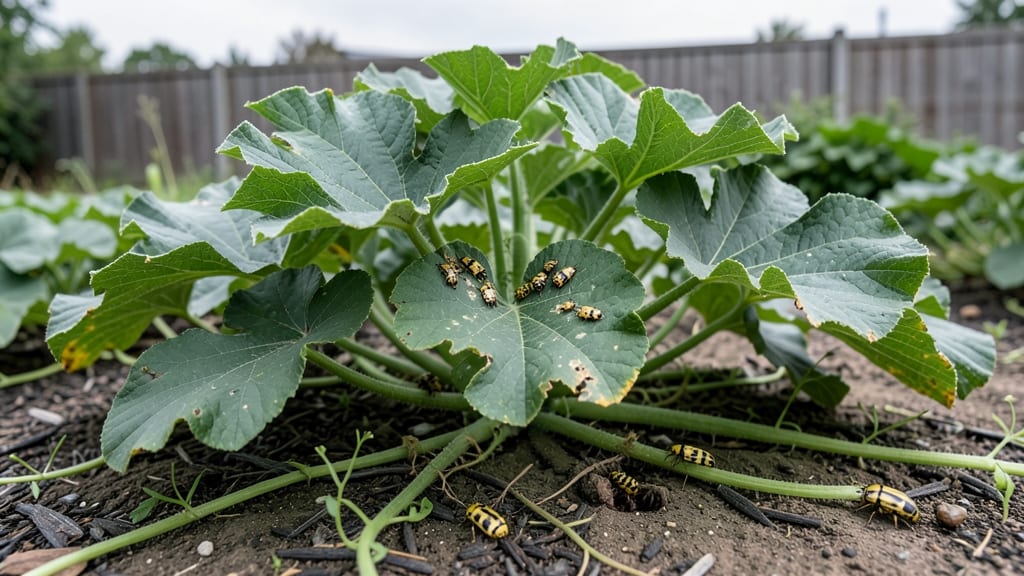
Watermelon plant pests like cucumber beetles and aphids can turn your thriving vines into a chewed-up mess before you even see fruit. ✨ I’ve lost entire patches to these tiny invaders, but I’ve also learned which preventative sprays actually work—before the damage starts.
The key isn’t just reacting when you spot holes in leaves, but stopping pests at the soil level.
Most gardeners wait until they see skeletonized leaves or sticky residue from aphids before acting. By then, the plant’s already stressed, and yields suffer.
Instead, I focus on neem oil sprays applied at planting and kaolin clay treatments every two weeks—they create a barrier pests hate without harming bees or beneficial insects.
You’ll notice fewer chewed leaves within 3-5 days of treatment, and the vines stay strong enough to support heavy fruit. The best part? These sprays work on nematodes too, so your soil stays healthy for next season. No more guessing games—just consistent protection.
Works for both in-ground and container-grown melons, and the same principles apply to squash and cucumbers. Let’s get those plants shielded before the pests even show up.
Root Causes Of Plant Stress
Watermelon plants may seem like hardy, low-maintenance crops, but they’re far from immune to pest invasions—and the reasons behind these attacks often boil down to environmental stress, poor growing conditions, or weak plant defenses.
Understanding these root causes is the first step to preventing infestations before they spiral out of control. Let’s break down the key factors that turn your watermelon patch into a pest buffet.
Watermelon plants thrive in warm, stable climates (70–90°F during the day, 60–70°F at night). When temperatures swing too hot or too cold—or humidity levels spike—pests like aphids, cucumber beetles, and spider mites get the upper hand.
- Why it happens:
- Extreme heat weakens plant cell walls, making them easier targets for chewing insects (e.g., striped cucumber beetles).
- High humidity (above 80%) creates the perfect breeding ground for fungus gnats and whiteflies, which thrive in moist, stagnant air.
- Cold snaps slow plant growth, reducing their ability to produce defensive compounds like cucurbitacins (natural pest repellents).
- Actionable fix:
- Use shade cloth (30–50%) during heatwaves to protect young plants.
- Improve air circulation with proper spacing (3–4 feet between plants) to reduce humidity pockets.
- Avoid overwatering—soil should dry slightly between waterings to deter fungus-loving pests.
A watermelon plant that’s malnourished or overfed becomes an easy mark for pests. While some insects (like aphids) are drawn to sap-rich, soft new growth, others (such as root-knot nematodes) exploit weak roots caused by poor soil health.
- Why it happens:
- Nitrogen-heavy fertilizers promote lush, tender foliage that aphids and whiteflies love to feast on.
- Phosphorus or potassium deficiencies weaken root systems, making plants more susceptible to root-boring pests (e.g., pickleworm larvae).
- Compacted or waterlogged soil cuts off oxygen to roots, stressing plants and attracting fungal pests like powdery mildew (which also weakens defenses against insects).
- Actionable fix:
- Balance your fertilizer with a low-nitrogen, high-potassium blend (e.g., 5-10-10) to strengthen structural growth.
- Test soil pH (ideal: 6.0–6.8)—acidic or alkaline soil disrupts nutrient uptake, inviting pests.
- Mulch with compost to improve soil aeration and reduce compaction.
When watermelon vines compete for sunlight, water, and nutrients, they become physically stressed—and stressed plants emit chemical signals that attract pests. Overcrowding also creates microclimates where humidity and pests thrive.
- Why it happens:
- Shaded leaves produce less volatile organic compounds (VOCs), which normally repel insects like thrips and spider mites.
- Competition for water leads to wilting, which attracts sap-sucking insects (e.g., aphids) seeking easy meals.
- Damaged vines (from poor pruning or hail) create entry points for bacterial wilt and cucumber beetles, which spread disease.
- Actionable fix:
- Space plants 3–5 feet apart (depending on variety) to ensure full sunlight exposure.
- Prune aggressively—remove yellowing or diseased leaves immediately to stop pest spread.
- Use trellises for climbing varieties to elevate vines, improving airflow and reducing humidity at soil level.
A healthy watermelon patch isn’t just about repelling pests—it’s about encouraging the right ecosystem. Without ladybugs, lacewings, or parasitic wasps, minor pest populations can explode into full-blown infestations.
- Why it happens:
- Monoculture planting (growing only watermelons) eliminates diverse plant life that attracts beneficial insects.
- Pesticide use (even organic sprays) can kill predator insects faster than pests, creating a vacuum effect.
- Lack of flowering plants nearby means fewer pollinators and pest-controlling insects (e.g., hoverflies).
- Actionable fix:
- Plant companion crops like marigolds, basil, or nasturtiums to attract ladybugs and parasitic wasps.
- Avoid broad-spectrum sprays—opt for targeted neem oil or insecticidal soap to preserve beneficial bugs.
- Leave some "wild" areas in your garden for ground beetles and spiders, which devour pests like cutworms and slugs.
Many gardeners wait until pests are visible before acting—but by then, the damage is often irreversible. Subtle signs (like sticky residue, chewed leaves, or wilting) mean pests have already established a foothold.
- Why it happens:
- Slow-moving pests (e.g., root-knot nematodes) cause silent damage before symptoms appear.
- Sap-suckers (aphids, whiteflies) excrete honeydew, which attracts sooty mold—a fungal secondary infection.
- Chewing insects (e.g., striped cucumber beetles) lay eggs in leaf undersides, hatching into larvae that devour stems.
- Actionable fix:
- Inspect plants weekly—check leaf undersides, stems, and soil for eggs or larvae.
- Use a magnifying glass to spot tiny pests (e.g., thrips or spider mites) before they multiply.
- Remove infested leaves immediately and compost them away from the garden to prevent reinfestation.
💡 Pro Tip: The best defense is a proactive garden. By optimizing growing conditions, encouraging natural predators, and catching issues early, you can starve out pests before they become a problem—saving your watermelon harvest (and your sanity!) in the process.
Fixing Watermelon Plant Pests
Pests can turn your thriving watermelon patch into a battleground, but don’t panic—most issues have simple, effective fixes. Below, we’ve mapped common watermelon plant pests to their solutions, from quick fixes to long-term prevention. Act fast, and your plants will thank you! 🌱🚫🐜
Cause: These striped or spotted beetles munch on leaves and spread bacterial wilt. How to Fix It:
- 🔥 Trap Them Early: Place yellow sticky traps near plants to lure and catch beetles before they multiply.
- 🍳 Spray Neem Oil: Mix 1 tbsp neem oil + 1 tsp dish soap per gallon of water, then spray leaves (especially undersides) every 3–5 days. Avoid spraying in direct sunlight.
- 👨🍳 Row Covers: Use floating row covers over young plants to block beetles entirely. Remove when flowers appear for pollination.
- 🔪 Handpick & Drop: Crush beetles in soapy water (they’re small but visible—morning is best).
💡 Prevention Tip: Plant radishes or nasturtiums as sacrificial traps—the beetles prefer these over watermelons!
Cause: Tiny green/black insects suck sap, leaving honeydew (a sticky mess) and stunted growth. How to Fix It:
- 🌡️ Blast with Water: Use a strong hose spray to knock them off leaves (do this early morning).
- 🎯 Insecticidal Soap: Spray a homemade mix (2 tbsp castile soap + 1 quart water) directly on aphids. Reapply after rain.
- 🐝 Encourage Predators: Ladybugs and lacewings love aphids—plant dill or marigolds nearby to attract them.
- 🌿 Prune & Destroy: Snip heavily infested leaves and dispose of them in sealed bags (don’t compost!).
✨ Pro Tip: Aphids hate garlic! Spray a garlic-chili mix (1 crushed garlic clove + 1 tsp cayenne + 1 quart water) for a natural repellent.
Cause: These microscopic pests thrive in dry heat, sucking juices and causing stippling. How to Fix It:
- 💦 Increase Humidity: Spider mites hate moisture—mist plants daily or use a shade cloth to retain humidity.
- 🧼 Soap Spray: Use 1 tsp mild liquid soap per quart of water, spray both sides of leaves, and repeat every 5–7 days.
- 🌿 Neem Oil Again: Mix 1 tbsp neem oil + 1 tsp dish soap per gallon, spray early morning, and avoid water stressing plants.
- 🔍 Check Undersides: Inspect leaves weekly—mites hide on the bottoms where sprays often miss.
💡 Prevention Tip: Dusty leaves = mite magnet. Keep foliage clean with occasional wiping (use a damp cloth).
Cause: These caterpillars slice stems at night, toppling young plants. How to Fix It:
- 🌙 Night Patrol: Check plants after sunset with a flashlight—cutworms glow under UV light! Handpick and drop in soapy water.
- 🥘 Collar Barrier: Wrap cardboard collars (3–4 inches tall) around stems to block worms from climbing.
- 🔪 Beer Trap: Bury a small cup of beer near plants—cutworms are drawn to it and drown.
- 🐦 Encourage Birds: Birds love cutworms—leave some leaf litter for them to forage.
🎯 Long-Term Fix: Rotate crops—cutworms build up in soil where watermelons are planted repeatedly.
Cause: Overwatering + poor airflow = fungal spores take over. How to Fix It: - 🌬️ Improve Airflow: Space plants 18–24 inches apart and prune crowded vines. - 💦 Water Wisely: Water early morning at soil level (avoid leaves).
Use drip irrigation if possible. - 🍋 Baking Soda Spray: Mix 1 tbsp baking soda + 1 tsp oil + 1 tsp soap per gallon, spray every 7–10 days. - 🌿 Copper Fungicide: For severe cases, use organic copper spray (follow label instructions).
💡 Prevention Tip: Resistant varieties like ‘Sugar Baby’ or ‘Crimson Sweet’ handle mildew better.
Keep these easy habits to stop pests before they start: ✅ Rotate crops—don’t plant watermelons in the same spot yearly. ✅ Clean up debris—remove old vines and leaves after harvest. ✅ Interplant flowers—marigolds, basil, or nasturtiums repel pests naturally. ✅ Healthy soil = strong plants—use compost and balanced fertilizer to boost resilience. ✅ Monitor weekly—check undersides of leaves, stems, and soil for early signs.
Final Thought: Most watermelon pests respond to quick action—don’t wait until damage is done! With these fixes, your plants will stay lush, pest-free, and productive. 🍉💪
Frequently asked questions about watermelon plant pests
What are the most destructive pests for watermelon plants?
Striped cucumber beetles, aphids, and spider mites cause the most damage. Cucumber beetles chew leaves and spread bacterial wilt, while aphids create sticky honeydew that attracts mold. Spider mites thrive in dry heat and weaken plants by sucking juices, leaving yellow stippling on leaves.
How do I tell if my watermelon leaves have spider mites?
Look for tiny yellow or brown speckles on leaf surfaces and fine webbing between leaves or stems. Use a magnifying glass to spot the mites themselves—they’re barely visible to the naked eye. Check leaf undersides first, as that’s where they hide most often.
Can I use neem oil on watermelon plants with fruit?
Yes, but apply it carefully. Neem oil is safe for edible plants when used properly, but avoid spraying directly on ripe fruit to prevent residue. Focus treatments on leaves and stems, and harvest fruit within 7 days of the last application to ensure safety.
What’s the best natural remedy for aphids on watermelons?
A strong blast of water from the hose (early morning) works immediately to dislodge them. For prevention, plant marigolds or basil nearby to attract ladybugs—their natural predators. A garlic-chili spray (1 crushed clove + 1 tsp cayenne per quart of water) also repels them effectively.
Why do my watermelon plants get pests more in hot, dry weather?
Extreme heat weakens plant defenses and creates ideal conditions for spider mites and aphids. Dry soil also stresses roots, making plants more vulnerable. Increase humidity with shade cloth, water deeply at soil level, and apply neem oil every 5-7 days during heatwaves to protect your crops.