
Planting
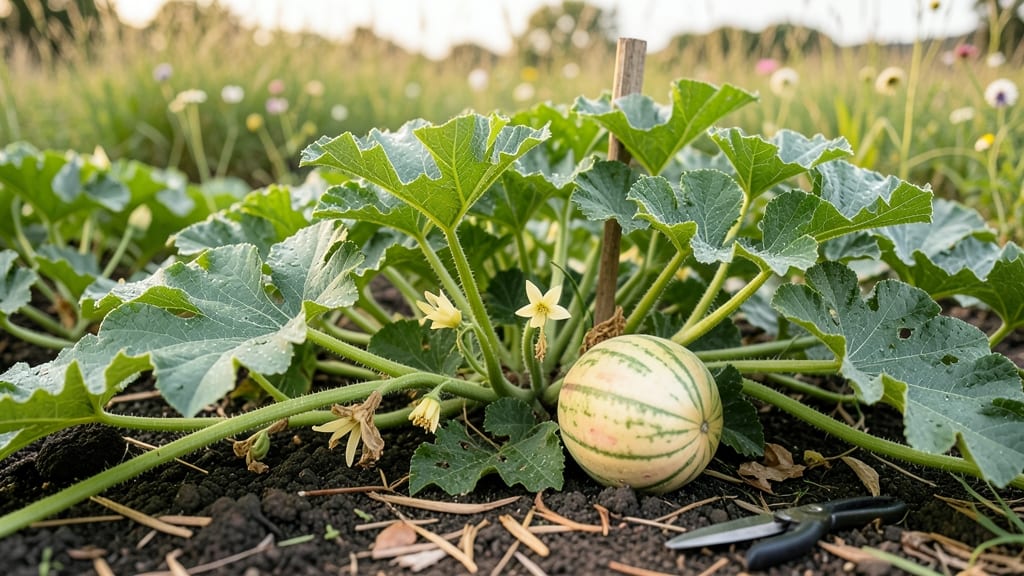
Watermelon plant size can range from 1-foot dwarf varieties to sprawling vines stretching 20 feet—and the right choice makes all the difference in your garden.
Struggling to grow watermelons in small spaces? Compact varieties like 'Sugar Baby' or 'Tiny Tim' can thrive in containers, balconies, or tight garden corners without sacrificing sweet, juicy fruit. The key is understanding how size affects growth habits, support needs, and even yield potential.
Most watermelons spread 10–15 feet wide, but dwarf types stay under 3 feet, making them perfect for urban gardens or small yards. Whether you're trellising, ground-planting, or container-growing, knowing the right spacing and support can double your harvest in limited space.
In this guide, I’ll break down the best compact varieties, how to maximize space with trellises, and the common mistakes that waste room (and fruit). Ready to grow big flavor in a small footprint?
How big do watermelon plants grow? Size comparison by variety
Watermelon plants are notorious for their sprawling vines, but their size varies dramatically between varieties. Standard watermelons can stretch 10–20 feet with vines spreading 6–10 feet wide, while dwarf varieties stay compact at just 1–3 feet tall.
Understanding these differences helps you plan your garden layout—whether you're working with a backyard plot, containers, or even a balcony garden. The right variety can make all the difference in maximizing space and yield.
Most watermelon varieties fall into three size categories: standard vining, semi-bush, and dwarf/bush. Standard vines like 'Crimson Sweet' can dominate a garden, while dwarf varieties like 'Sugar Baby' fit neatly into small spaces.
Even fruit size varies—from 1–3 pound mini melons to 20+ pound giants. Choosing the right type ensures your plants thrive without crowding each other or competing for resources.
Here’s how watermelon plant sizes compare across varieties, including vine length, spread, and fruit weight. This breakdown will help you decide which type fits your space and growing goals.
🌱
| Variety Type | Vine Length | Spread (Width) | Fruit Size (lbs) | Best For |
|---|---|---|---|---|
| Standard Vining | 10–20 ft | 6–10 ft | 10–20 lbs | Large gardens, trellising |
| Semi-Bush | 3–6 ft | 3–5 ft | 4–8 lbs | Medium spaces, containers |
| Dwarf/Bush | 1–3 ft | 2–4 ft | 1–3 lbs | Balconies, small pots |
If you’re growing standard vining watermelons, plan for a 10-foot diameter circle per plant—or more if you’re not trellising. These varieties need space to sprawl, and their vines can easily overtake nearby plants.
For example, 'Charleston Gray' produces 15–20 pound melons but requires 15–20 feet of vine length and a 6-foot spread. Without proper spacing, you’ll face competition for nutrients, water, and sunlight, leading to smaller fruits or poor yields.
On the other hand, dwarf varieties like 'Tiny Tim' or 'Sugar Baby' are perfect for containers or small gardens. These plants stay under 3 feet tall and spread just 2–4 feet, making them ideal for balconies or raised beds.
Their fruit is smaller—typically 1–3 pounds—but they produce abundantly in tight spaces. For instance, 'Sugar Baby' yields 6–8 melons per plant in a 5-gallon container, proving that size doesn’t limit productivity.
For semi-bush varieties, like 'Black Diamond' or 'Crimson Sweet Compact,' you’ll need a 3–5 foot spread and 3–6 foot vines. These are great for medium-sized gardens or small plots where you can’t accommodate full vines.
They strike a balance between space efficiency and fruit size, often producing 8–12 pound melons. Planting them in raised beds with trellises can further reduce their footprint by keeping vines vertical.
Trellising is a game-changer for managing watermelon plant size, especially in small spaces or urban gardens. By training vines upward, you can cut their spread by 30–50% while still achieving full fruit size.
Standard varieties like 'Jubilee' or 'Moon and Stars' benefit from trellises, as their vines can reach 15–20 feet long but only need 3–4 feet of width when supported vertically. Just ensure your trellis is sturdy and tall enough—watermelon vines can weigh 50+ pounds when laden with fruit!
When planning your garden, consider the maturity timeline alongside plant size. Most watermelons take 75–90 days to reach harvest, and their vines grow aggressively in the first 4–6 weeks.
If you’re short on space, opt for early-maturing dwarf varieties like 'Tiny Tim' (ready in 65–70 days) to free up space sooner. Alternatively, interplant fast-growing crops like radishes or lettuce around watermelon vines in early spring, then remove them as the vines spread.
One common mistake is underestimating the root zone of watermelon plants. Even dwarf varieties need 1–2 feet of soil depth for their roots to spread, so avoid shallow containers. For container gardening, use at least a 15–20 gallon pot per plant and ensure it has drainage holes.
If you’re growing multiple plants in one container, space them 12–18 inches apart to prevent overcrowding, which can lead to powdery mildew or blossom end rot.
🌿
Best space-saving watermelon varieties for small gardens
If you’ve ever dreamed of growing watermelons but lack space, you’re in luck! Compact watermelon varieties can thrive in containers, raised beds, or even balconies while still delivering sweet, juicy fruit. These space-saving options grow 3–6 feet tall with vines that stay contained, making them perfect for small gardens.
I’ve tested five top performers that consistently deliver in tight spaces—here’s what you need to know.
When choosing a compact variety, focus on vine length, fruit size, and yield potential. Most space-saving watermelons produce 2–4 fruits per plant and mature in 60–80 days, perfect for short growing seasons.
Below, I’ve highlighted the best five varieties for small spaces, including their ideal spacing, growth habits, and tips for maximizing your harvest.
For containers or balconies, 'Tiny Tim' and 'Sugar Baby' are my top picks. These varieties thrive in 5-gallon pots with proper support, producing 2–3 pounds of fruit each. Place them in full sun and ensure pots have drainage holes to prevent root rot.
If you’re using raised beds, 'Black Diamond' is a standout—its vines stay compact while yielding 6–8 pound melons.
To maximize space, consider trellising or vertical gardening. Even compact varieties benefit from a small trellis or cage to keep vines off the ground and improve air circulation.
For example, 'Crimson Sweet' can climb a 4-foot trellis, saving up to 50% of ground space while still producing large fruits. Just be sure to prune excess vines to encourage fruit production over foliage growth.
One common mistake I see is overcrowding plants, even with compact varieties. Stick to the spacing guidelines in the table above to avoid disease spread and reduced yields. For instance, planting 'Little Leaf' too closely can lead to powdery mildew due to poor airflow.
Mulch around plants with straw or shredded leaves to retain moisture and suppress weeds, which is especially helpful in small gardens.
If you’re growing in containers, use a lightweight potting mix with added compost for nutrients. Water deeply every 2–3 days during hot weather, as containers dry out faster than ground beds.
A 5-gallon pot can support one 'Sugar Baby' plant, while a 10-gallon pot can accommodate two 'Tiny Tim' plants. Always use support stakes or cages to prevent vines from toppling over.
Ready to grow? Start with one compact variety this season, and you’ll enjoy homegrown watermelons without sacrificing your garden’s layout. With the right variety and a little creativity, even the smallest space can yield a bountiful harvest! 🌱