
Pests
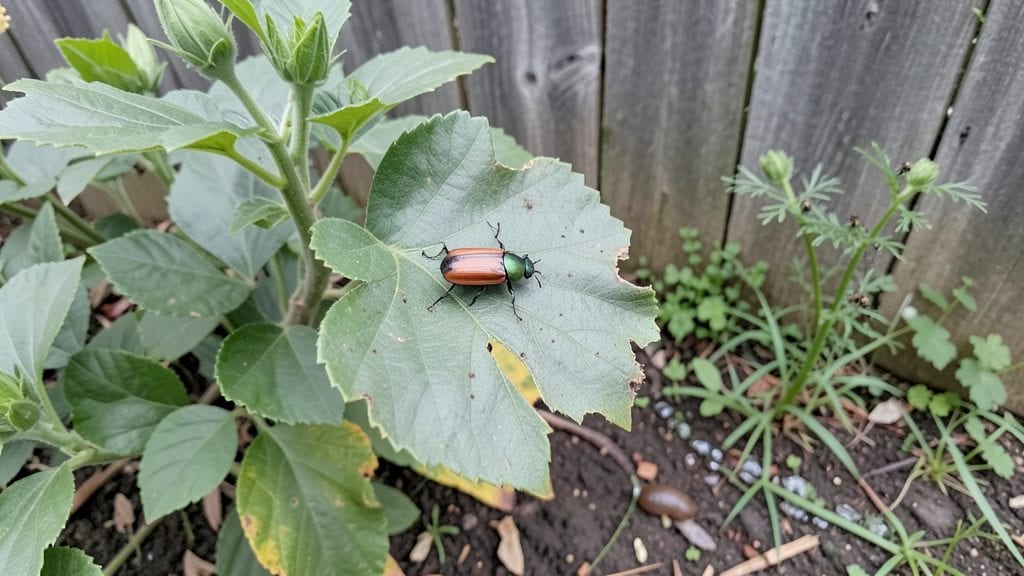
Deer, rabbits, slugs, aphids, and spider mites commonly eat hibiscus plants, chewing leaves, stems, or sucking sap, which leaves jagged edges, discolored spots, or stunted growth.
Hibiscus plants face a diverse menu of hungry guests, each leaving behind distinct clues about their presence.
Deer and rabbits typically take large bites from foliage, creating irregular edges that can weaken the plant's structure over time. 🌿 Meanwhile, slugs leave behind shiny trails and ragged holes, while aphids cluster on new growth, excreting sticky honeydew that attracts mold.
Spider mites, though tiny, create visible damage by sucking sap from leaves, causing them to turn yellow or develop a silvery appearance on their undersides.
Understanding these patterns helps you identify the culprit quickly and choose the right defense strategy. For instance, physical barriers work best against larger mammals, while targeted organic sprays like neem oil tackle insect infestations effectively.
💡 In This Article
- Identifying Hibiscus Plant Predators and Their Damage Signs
- Natural and Chemical Solutions to Protect Hibiscus Flowers
Identifying hibiscus plant predators and their damage signs
Hibiscus plants face three main categories of predators—mammals, insects, and mollusks—each leaving distinct visual clues. Deer and rabbits are the most obvious culprits, using their sharp teeth to create clean, irregular bites along leaf edges.
These herbivores typically target the most tender new growth, which can stunt the plant's vertical expansion by up to 30% if unchecked. The damage often appears overnight, leaving behind ragged, uneven edges that contrast sharply with the plant's natural rounded leaves.
Insects like aphids and spider mites operate on a microscopic scale but leave equally telling damage patterns. Aphids cluster on the undersides of leaves, particularly on new shoots, where they pierce plant cells to suck out sap.
Their feeding creates sticky honeydew residue that can cover leaves within days, often accompanied by sooty mold growth. Spider mites, though nearly invisible to the naked eye, create fine webbing on leaf undersides and cause leaves to develop silver or bronze discoloration as chlorophyll breaks down from their feeding.
Slugs and snails, the garden's silent destroyers, leave behind shiny mucus trails and irregular holes with smooth edges—unlike the jagged mammal bites. These mollusks prefer damp conditions, often targeting hibiscus plants after rainfall. Their damage is particularly damaging to young leaves, which can be completely consumed overnight.
The key difference from insect damage is the lack of webbing or residue, just clean, chewed edges and sometimes the telltale slime path.
Here's what's actually happening to your hibiscus when these pests strike: Mammal browsing reduces the plant's ability to photosynthesize by removing leaf surface area, while aphids and mites inject toxins as they feed, causing leaf curl and stunted growth.
Slugs, meanwhile, create entry points for fungal infections. What most people don't realize is how quickly these small damages compound—what starts as a few chewed leaves can lead to complete defoliation within weeks if left unaddressed.
The damage patterns serve as a diagnostic tool. For example, if you see large, clean bites with no residue, you're dealing with deer or rabbits. Sticky leaves with black mold point to aphids, while silver undersides with webbing indicate spider mites.
Slug damage appears as smooth-edged holes often near the soil line. Understanding these differences lets you target treatments precisely—like using physical barriers for mammals or neem oil sprays for insects.
Over time, untreated hibiscus plants may show systemic decline from repeated pest attacks. Leaves may yellow, stems weaken, and flowering decrease by 50% or more. The plant diverts energy from reproduction to repair, creating a vicious cycle.
The good news? Early intervention with the right identification can restore your hibiscus to full health within 4-6 weeks of consistent pest control.