
Pruning
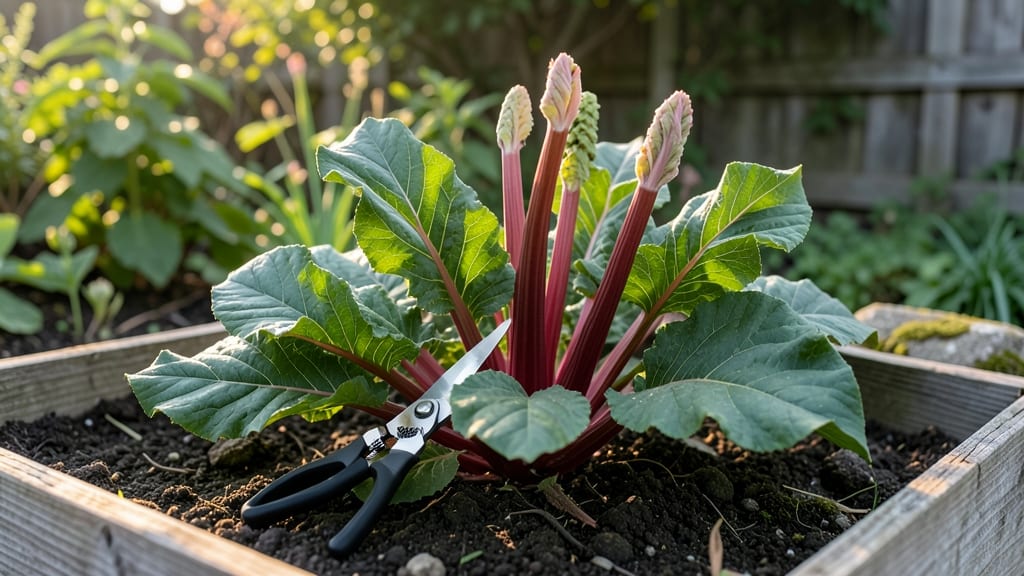
Cut back rhubarb plants in late winter to early spring—just as the first shoots emerge—when the soil is workable but before new growth explodes 🌱.
Get this timing wrong, and you risk stunting next year’s harvest or even damaging the crown. I’ve seen gardeners cut too early and watch their plants languish, or wait too late and lose precious energy reserves.
The key is acting when the ground thaws but before the leaves unfurl—usually around March in Zone 6.
Why does this matter? Rhubarb stores energy in its roots, and pruning at the right time ensures it has the strength to send up sturdy stalks. Too soon, and you’re pruning last year’s growth; too late, and you’re stealing from this year’s potential.
Below, I’ll walk you through the exact steps to time it perfectly for your climate.
You’ll also learn how to spot the signs of readiness, the tools you’ll need, and what to do with those old stalks—because yes, they matter more than you think. Let’s get started.
The ideal time to cut back rhubarb: spring’s critical window
Rhubarb thrives when pruned at the right time, but cutting back too early or late can stunt growth or even damage the crown. The optimal window for pruning is late winter to early spring, just as new growth begins.
This timing ensures your plant has enough energy to recover and produce strong stalks for next year’s harvest.
Timing depends on your climate zone and last frost date. In USDA Zone 6, aim to prune between March 15–April 15, after the soil thaws but before leaves emerge. Warmer zones may start earlier, while colder regions should wait until after the last frost—typically mid-April.
Look for these visual cues to confirm readiness: dormant leaves turning brown, crown emergence (small green shoots), and soil temperature reaching 50°F (10°C). Pruning too early risks exposing the crown to frost, while waiting too long delays new growth.
Here’s a quick reference to help you identify the perfect moment:
The science behind timing lies in rhubarb’s dormancy cycle. After harvest, the plant enters a resting phase, storing energy in its crown. Pruning too early disrupts this process, while waiting too long risks overcrowding and reduced stalk production.
The goal is to remove old growth while preserving the crown’s energy reserves.
In Zone 6, where most gardeners grow rhubarb, focus on pruning between March 15–April 15. Use a sharp pruner to cut old stalks 1–2 inches above ground, leaving the crown intact. This encourages new shoots to emerge quickly, setting up a stronger harvest in late spring.
If you’re in a warmer climate (Zones 9–11), you may start pruning as early as February, provided there’s no risk of frost. Conversely, colder zones (3–5) should delay until after the last frost—usually mid-April—to avoid damaging tender new growth.
Watch for leaf color changes as another clue. Healthy rhubarb leaves turn deep green in spring, signaling it’s time to prune. If leaves remain yellow or wilted, wait a few weeks. Over-pruning can stress the plant, leading to stunted growth or even death in extreme cases.
After pruning, fertilize lightly with a balanced 10-10-10 mix to support new growth. Mulch around the base with 2–3 inches of compost to retain moisture and regulate soil temperature. This combo ensures your rhubarb recovers quickly and produces plump, flavorful stalks next season.
Remember: Patience is key. Rushing the process can backfire, but following these cues ensures your rhubarb thrives for years. With the right timing, you’ll enjoy a bountiful harvest and a healthier plant overall. 🌱
Step-by-step guide: how to prune rhubarb correctly for maximum growth
Pruning rhubarb correctly is the secret to stronger stalks and longer harvests. The key lies in cutting at the right time and using the proper technique—both of which prevent disease and encourage vigorous regrowth.
If you’ve ever wondered why your rhubarb isn’t thriving, chances are the pruning timing or method was off. Let’s fix that with a foolproof approach.
Before you grab your pruners, it’s crucial to understand that rhubarb’s dormant period (late winter to early spring) is the only safe window for cutting back. Pruning too late can leave your plant vulnerable to frost damage or pests, while cutting too early may stunt new growth.
The goal is to remove last year’s dead foliage while preserving the crown’s energy for next season.
When to Cut Back Rhubarb Plants
- Wait until late winter or early spring (after the last frost date in your zone). In USDA Zone 6, this is typically March or early April.
- Look for new shoots emerging from the crown—this signals the plant is waking up from dormancy.
- Avoid pruning if frost is forecasted within 48 hours, as cold temperatures can harm fresh cuts.
- In warmer climates (Zones 9–11), prune in January or February when old leaves turn yellow.
- Never cut back in summer or fall, as this removes energy stores needed for winter survival.
Now that you’ve identified the perfect time, gather your tools: a sharp bypass pruner, gloves, and disinfectant (to prevent spreading disease). Start by removing any dead or diseased leaves first—they’re prime candidates for fungal issues.
Next, cut the remaining old stalks down to 1–2 inches above the soil line. This height protects the crown’s buds while allowing sunlight to reach new growth.
Here’s a critical tip: Never remove more than ⅓ of the foliage at once. Rhubarb leaves play a vital role in photosynthesis, and stripping too many can weaken the plant.
If you’re unsure, err on the side of leaving more leaves—your rhubarb will thank you with plump, sweet stalks next season. After pruning, mulch around the base to retain moisture and suppress weeds.
Common mistakes to avoid include cutting too late in spring (after new stalks form) or using dull tools that tear leaves. Another pitfall? Over-pruning young plants—if your rhubarb is under 3 years old, limit cuts to only dead foliage to encourage establishment.
Pro tip: Compost the pruned stalks—they’re nutrient-rich and perfect for enriching your garden beds.
With your rhubarb now properly pruned, it’s time to focus on post-pruning care. Water deeply to help the plant recover, and consider a light application of compost around the base.
Within a few weeks, you’ll see new shoots emerging—proof that your timing and technique were spot-on! Keep an eye out for pests like rhubarb curculio and treat early if needed.