
Picking
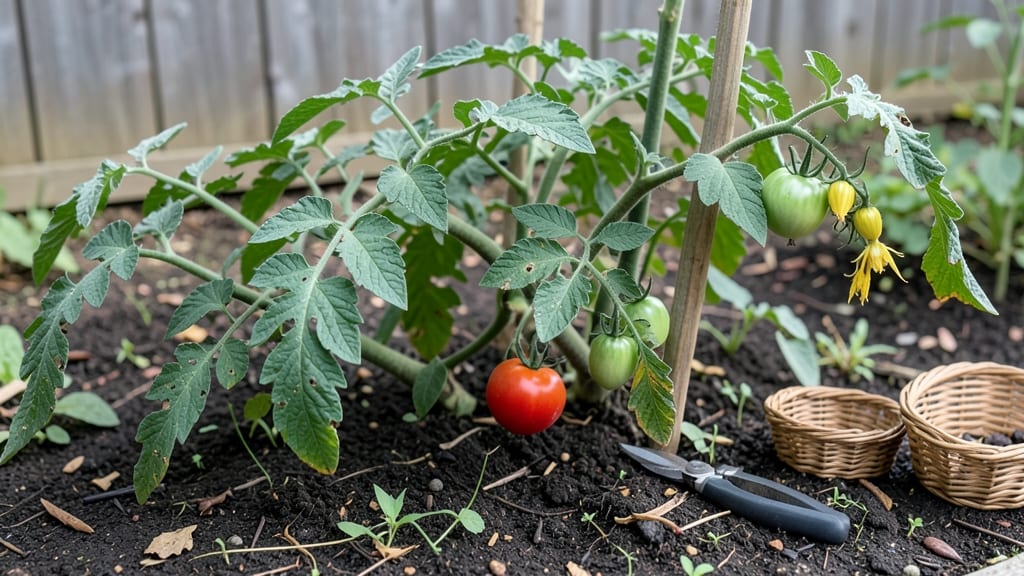
Knowing when to pick tomatoes off the plant ensures optimal flavor and prevents waste. Harvest green tomatoes when firm and glossy (especially in 70°F+ days), let red varieties ripen fully until slightly soft for best taste, and pick yellow/orange types when fully colored and yielding gently. Overripe tomatoes attract pests and lower overall production.
Timing matters because tomatoes continue ripening off the vine—but only up to a point. 🌱 Early harvesting (like green tomatoes) locks in firmness for cooking, while waiting too long risks splitting or attracting fruit flies.
I’ve found that heirloom varieties often need 2-3 extra days of vine time compared to hybrids to reach peak sugar content. For cherry tomatoes, look for a deep, uniform color and a slight give when gently squeezed—they’re ready when they feel like a ripe grape.
Temperature plays a surprising role too. Tomatoes ripen faster in 75-85°F conditions but can develop mealy texture if harvested during heatwaves. If you’re growing in cooler climates, consider bringing in green tomatoes to ripen indoors with a banana nearby (ethylene gas speeds things up!).
The key is balance: harvest too early, and you lose sweetness; wait too long, and you risk losing your crop entirely.
💡 In This Article
- Tomato Ripeness Stages and Their Impact on Flavor
- Best Practices for Harvesting Tomatoes by Variety
Tomato ripeness stages and their impact on flavor
The transformation from green to ripe tomato is a biochemical symphony where chlorophyll breaks down and lycopene takes center stage. When tomatoes are green, they’re packed with chlorophyll (the pigment that makes leaves green), which masks other flavors.
As they ripen, enzymes like polygalacturonase soften the cell walls, while sugars like glucose and fructose accumulate—sometimes doubling in concentration! This is why a fully ripe heirloom tomato can have 4-5% sugar content compared to just 1-2% in unripe ones.
The key flavor compounds, including volatile esters, peak when tomatoes reach their ideal ripeness stage.
Lycopene, the pigment responsible for red tomatoes, isn’t just about color—it’s a powerful antioxidant that develops as chlorophyll degrades. Studies show lycopene levels can be 50-100% higher in fully ripe tomatoes compared to green ones, which is why red varieties like Brandywine or San Marzano deliver that signature sweet-tart punch.
Temperature accelerates this process: tomatoes ripen 2-3 times faster in 80°F+ conditions than in 60°F weather. Sunlight also triggers ethylene production, the natural ripening hormone, but too much heat without water can cause sunscald or uneven ripening.
Harvesting too early locks in a grassy, underripe flavor dominated by acids like citric acid. Waiting too long risks splitting (from heavy rain) or attracting pests like hornworms, which target overripe fruit. The sweet spot?
For red tomatoes, aim for a deep, uniform color and a slight yield at the stem—like pressing a ripe peach. Yellow/orange varieties (like Yellow Pear) should feel firm but give gently when squeezed, with vibrant color from carotenoids like beta-carotene.
The texture shifts too: ripe tomatoes have a juicy, gel-like interior thanks to pectin breakdown, while green ones stay crisp and firm.
Nutritional value also peaks at different stages. Lycopene absorption improves when tomatoes are cooked, but the highest concentration is in fully ripe fruit. For example, a 1-cup serving of ripe red tomatoes contains 3,000-4,000 IU of lycopene, while green tomatoes have near-zero.
Even the aroma changes: ripe tomatoes release volatile compounds like hexanal and 2-isobutylthiazole, which contribute to their complex, fruity scent. These compounds are nearly absent in unripe tomatoes, making them smell bland by comparison.
What most gardeners don’t realize is that ethylene production slows dramatically once tomatoes are picked. That’s why green tomatoes ripen best indoors with a banana or apple nearby—the fruit’s ethylene gas speeds up the process.
For heirloom varieties, I’ve seen ripening take 5-7 days indoors at 70°F, while hybrids may ripen in just 2-3 days. The trade-off? Overripe tomatoes lose their firmness and develop mealy texture, so timing is everything.
Consider this: a tomato’s sugar content can vary by 200% or more between unripe and fully ripe stages. That’s why chefs insist on vine-ripened tomatoes for salads—those 1-2% sugar differences mean the difference between a bland bite and a burst of flavor.
For sauces, slightly underripe tomatoes (still firm) work better to prevent mushiness when cooked. The lesson? Pay attention to both color and texture, and don’t rush the process.