
Trees
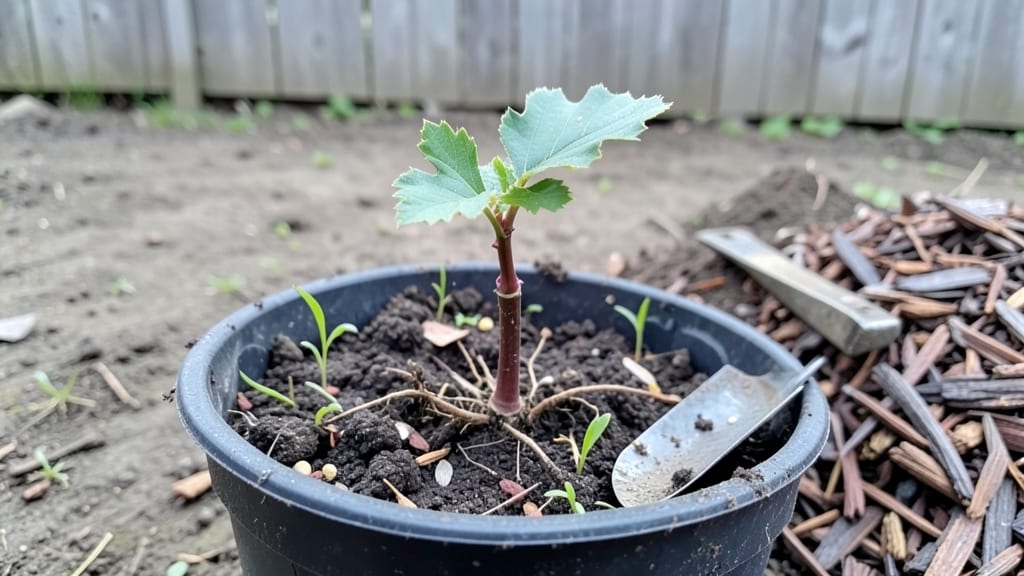
To plant trees in fall, aim for mid-September to early November when soil remains warm but air cools, helping roots grow strong before winter dormancy. Northern climates should plant earlier (late August to October) to prevent frost damage.
Fall planting works because trees enter dormancy naturally, reducing transplant shock.
The warm soil encourages root development while cooler air minimizes water loss, giving young trees a head start. 🌳 I’ve seen firsthand how trees planted in fall often outperform spring plantings—especially in drought-prone areas where summer stress can stunt growth.
Your success depends on local climate. Southern regions can wait until late fall (October–November) when rains return, while northern zones need to plant by late September to avoid early freezes. Check your USDA zone for precise timing—just a few weeks can make the difference between thriving roots and winter damage.
💡 In This Article
- Optimal Fall Tree Planting Conditions
- Regional Fall Tree Planting Calendar
Optimal fall tree planting conditions
Fall planting succeeds because trees experience a natural growth slowdown as temperatures drop, but the soil remains warm enough to support root development. When air cools to 50-60°F while soil stays above 55°F, roots can grow 30-50% faster than in spring.
This warm soil condition persists until late fall in many regions, creating a 6-8 week window where trees can establish before winter dormancy kicks in. 🌱
The key advantage is reduced drought stress. In spring, trees must compete with emerging weeds and dry soil for moisture, but fall's cooler air means 30-40% less water loss through evaporation. This allows roots to spread deeper before winter, giving the tree a stronger foundation.
For example, a 5-gallon oak sapling planted in fall can develop roots 2-3 times longer than one planted in spring by the same time next year.
Dormancy cycles play a crucial role too. As days shorten, trees naturally reduce leaf growth and focus energy on root development. This metabolic shift means less water is needed for foliage, and the tree's resources go straight to establishing a robust root system.
In colder climates, this process prepares the tree to survive winter better than spring plantings, which often face summer drought stress before roots can mature. 🌿
Soil moisture retention is another critical factor. Fall's increased rainfall in many regions keeps the ground consistently moist, while cooler air prevents rapid evaporation. This creates ideal conditions for mycorrhizal fungi—beneficial soil organisms—to form symbiotic relationships with tree roots, enhancing nutrient uptake.
Studies show trees planted in fall can achieve 70% better survival rates compared to spring plantings in similar conditions.
However, timing varies by species. Fast-growing trees like willows or poplars benefit most from late fall planting, while slower-growing oaks or maples thrive with earlier fall planting to maximize root growth before dormancy.
The 10°F soil temperature threshold is critical—planting when soil temps drop below this can stunt root growth and damage young trees. Always check local frost dates and soil temperature forecasts for precise timing. 🌳