
Companion Plants
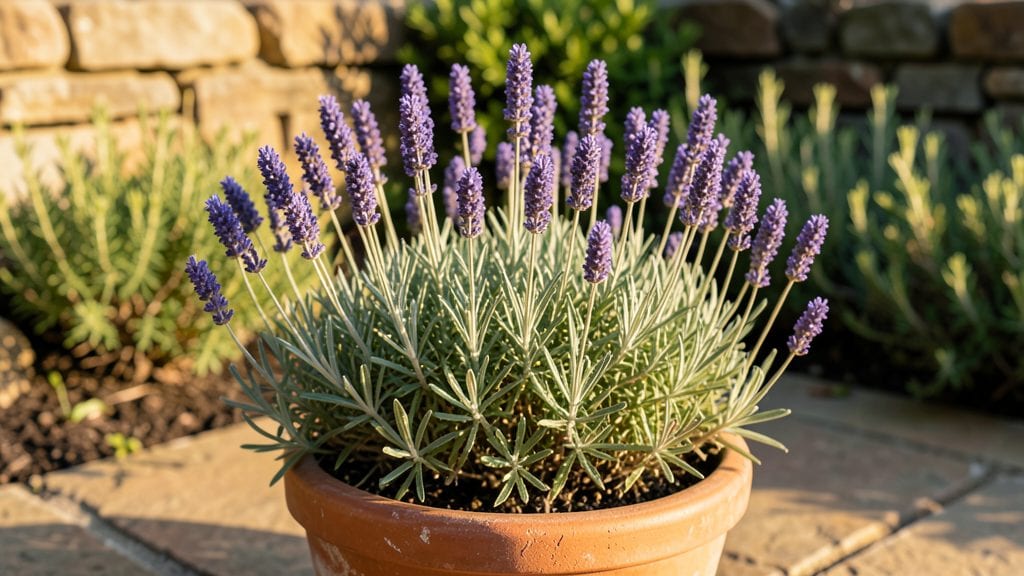
The best work plants—sunflowers, nasturtiums, and radishes—grow quickly in companion gardens, helping control pests, attract pollinators, and maximize small-space yields.
These fast-growing companions aren't just space-savers; they actively improve your garden's health. 🌱 Sunflowers, for example, draw aphids away from your veggies, while nasturtiums repel squash bugs with their peppery scent. Radishes mature in just 25 days, giving you quick harvests to free up space for succession planting.
I've found that pairing these with bush beans (ready in 50 days) creates a dynamic system where each plant supports the other.
For urban gardeners, the key is choosing plants that fit your space while delivering multiple benefits. Pole beans climb vertically, saving floor space, while lettuce and carrots grow well in shallow containers. The secret? Planting marigolds near peppers not only deters pests but also enhances flavor through natural soil enrichment.
💡 In This Article
- Fast-Growing Work Plants for Pollinators and Pest Control
- Best Work Plants for Small Spaces and Urban Gardens
Fast-growing work plants for pollinators and pest control
Here's what's actually happening when you plant these fast-growing companions: they create an ecological balance that works like a natural pest control system. Sunflowers, for instance, produce nectar-rich flowers that attract ladybugs and lacewings—two of nature's most effective aphid predators.
Their towering height (reaching 6-12 feet) also provides shade that reduces soil moisture loss, while their deep roots break up compacted earth, improving aeration for nearby crops. 🔥 The key factor is their rapid growth: sunflower seeds sprout in just 7-14 days and reach maturity in 80-100 days, giving you quick benefits.
The science behind pest repulsion gets even more interesting with plants like nasturtiums. These vibrant flowers contain cucurbitacin, a compound that deters squash bugs, cucumber beetles, and even aphids from attacking nearby vegetables.
What most people don't realize is that nasturtiums also act as a "trap crop"—their peppery scent and edible leaves lure pests away from your main harvest. Their shallow roots make them perfect for container gardening, and they bloom continuously from spring until frost, providing year-round pollinator support.
The flowers even produce edible blossoms with a spicy, slightly tangy flavor, adding a bonus harvest.
Radishes take this concept to another level with their 25-day harvest time, making them the ultimate space-efficient crop. Their rapid growth prevents weeds from establishing, and their peppery roots deter root maggots from attacking carrots or beets when planted nearby.
The secret weapon here is their allelopathic properties—radishes release natural chemicals that suppress certain soil-borne pathogens. Pair them with lettuce or spinach, and you'll notice the leafy greens stay crisp longer while the radishes mature quickly, allowing you to harvest and replant the space within 4 weeks.
This creates a perfect succession planting cycle for small gardens.
For soil improvement, consider bush beans which fix nitrogen through symbiotic bacteria in their roots. A single bean plant can add up to 150 pounds of nitrogen per acre to the soil during its 50-day growth cycle, enriching the ground for subsequent plantings.
The best part? They're ready to harvest when they reach 4-6 inches tall, giving you quick yields while improving future crops. Plant them near corn or potatoes, and you'll see healthier growth in those heavier feeders thanks to the extra nitrogen available.
Marigolds take pest control to a whole new level with their pyrethrin compounds, natural insecticides that repel nematodes, whiteflies, and even rabbits. The strong scent of French marigolds (like 'Bonanza' or 'Crackerjack') is particularly effective against squash bugs, while the shorter African marigolds deter beetles.
What makes them unique is their mycorrhizal associations—these fungi help the marigolds absorb nutrients more efficiently while also improving soil structure for neighboring plants. Their 50-60 day growth cycle means you get both pest protection and beautiful blooms that attract pollinators like bees and butterflies.
When planning your garden, think about these plants as a team rather than individual crops. Basil, for example, not only repels thrips and whiteflies but also enhances the flavor of nearby tomatoes when planted within 1-2 feet.
The combination of fast-growing radishes, pest-repelling marigolds, and nitrogen-fixing beans creates a self-sustaining system that reduces your workload while increasing yields. For urban gardeners, this means you can maximize every square foot of your balcony or patio with plants that work together to create a thriving ecosystem. 🌟