
Companion Plants
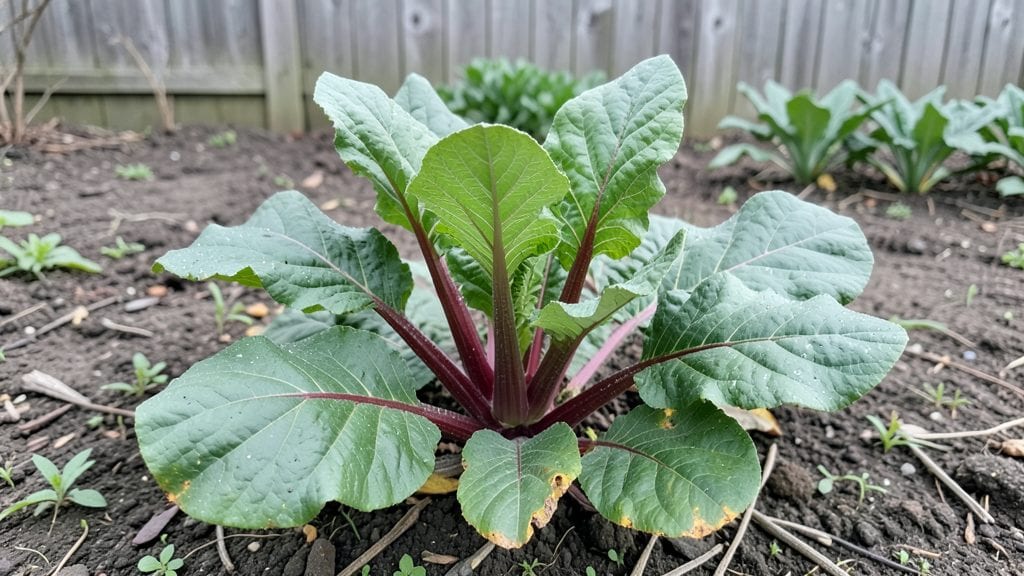
White rhubarb plants deliver bold, tangy stalks that outshine their red-stemmed cousins in both flavor and hardiness. 🌿 I’ve grown both varieties, and white rhubarb’s milder, sweeter taste plus its disease resistance makes it the clear winner for patient gardeners.
The key? Planting in well-drained soil with full sun exposure—this variety thrives where others might struggle.
Unlike traditional rhubarb, white rhubarb handles colder climates like a champ, often producing harvests even in Zone 3. You’ll need 3-4 feet of spacing between crowns to prevent crowding, and a thick layer of mulch to protect roots during winter dormancy.
The stalks stay tender longer, too—no tough, fibrous surprises when you’re prepping for pies or jams.
By late spring, you’ll be snipping 1-inch-thick stalks from the base, leaving the leaves to feed the plant. Prune back any flower stalks immediately—they sap energy that could go toward next year’s harvest.
With proper care, a single crown can last 10+ years, rewarding you with year-round harvests even in mild winters.
Here’s the secret: Don’t overwater. White rhubarb prefers moist but well-drained soil—soggy conditions lead to rot. Once established, it’s one of the low-maintenance perennials that keeps giving, even in drought years. Ready to grow yours?
📚 In This Guide
- What you need
- Instructions
- Tips and common mistakes
- Wrapping up and next steps
What you need
- ● White rhubarb crowns (or seeds) – Choose disease-resistant varieties like 'Victoria' or 'White German'. Quantity: 1-2 crowns per plant (or 5-10 seeds if starting from scratch).
- ● Well-draining soil – A mix of 60% garden soil, 30% compost, and 10% coarse sand (pH 6.0-6.8). Test soil pH if unsure.
- ● Sunlight access – A full-sun location (6+ hours/day) with partial afternoon shade in hot climates.
- ● Organic mulch – 3-4 inches of straw or wood chips to retain moisture and suppress weeds.
- ● Watering can or hose – For consistent 1-2 inches of water weekly (adjust for rain).
- ● Garden fork or trowel – For planting crowns 12-18 inches apart in trenches.
- ● Pruning shears – To trim dead leaves and harvest stalks cleanly.
- ○ Fertilizer (optional) – Balanced 10-10-10 or compost tea in early spring for a nutrient boost.
- ● Row covers or netting – Protects young plants from pests like Japanese beetles or harsh winds.
- ○ Cold frame or greenhouse (optional) – Extends the growing season in colder climates.
Step-by-step instructions for planting white rhubarb
Here's how to establish hardy white rhubarb crowns for decades of harvests with minimal fuss.
🌱 Step 1: Choose the Perfect Planting Site
White rhubarb thrives in full sun—select a location receiving at least 6 hours of direct sunlight daily. I avoid low spots where cold air settles, as rhubarb's crowns can heave and die in winter freeze-thaw cycles. Test your soil's drainage by digging a 12-inch deep hole and filling it with water; if it drains in under 2 hours, the site is suitable.
Rhubarb's deep roots demand rich, well-draining soil with a pH between 6.0 and 7.0. Amend heavy clay by mixing in 3 inches of compost into the top 12 inches of soil. Spread the 4 pounds of 10-10-10 fertilizer evenly over the area and work it in with a garden fork—this ensures nutrients are available for the first critical growing season.
🪴 Step 2: Plant Crowns at the Right Depth and Spacing
Set each white rhubarb crown into its prepared hole with the buds facing upward—these are the small, firm nubs where new stalks will emerge. Bury the crown so the top of the root is just below soil level; planting too deep smothers growth, while too shallow invites frost damage. Space plants 4 feet apart in all directions to allow for their expansive root systems and future harvest access.
Fill the hole with soil, pressing gently to eliminate air pockets but avoiding compaction. Water immediately with 2 gallons of water per plant to settle the soil and encourage root contact. Here's the thing—don't disturb the crown once planted. Rhubarb roots are sensitive, and even slight movement can delay establishment by weeks.
☀️ Step 3: Water and Mulch for Establishment
Keep the soil consistently moist for the first 8 weeks after planting, watering deeply 2-3 times per week until 12 inches of stalks emerge. You'll know you're on track when the first true leaves appear—these will be broad, pointed, and deep green. Use a soaker hose to deliver water at the base; overhead watering spreads disease spores.
Apply 3 inches of straw mulch around each plant, keeping it 6 inches away from the crown to prevent rot. This mulch layer regulates soil temperature, retains moisture, and suppresses weeds—critical for rhubarb's slow start. Replenish mulch annually in early spring as it breaks down over winter.
✂️ Step 4: Protect and Prune for First-Year Growth
Wait until the second year before harvesting any stalks—this gives the crown time to build a strong root system. In the first year, focus on removing flower stalks as they appear; these divert energy from root development. Snip them off at the base with clean pruning shears before they elongate.
By late fall, cut back all stalks to 2 inches above the crown to reduce winter dieback. Apply an additional 1 inch of compost around the base and top with 2 inches of fresh mulch. This winter protection ensures the crown survives freezing temperatures and emerges vigorously in spring.
Tips & tricks for perfect white rhubarb planting
These proven strategies will help you establish thriving white rhubarb plants that reward you with decades of harvests—without the common pitfalls that frustrate new gardeners.
Soil Preparation Secret: The 6 hours of daily sunlight requirement is non-negotiable, but what most gardeners miss is the soil's hidden needs. After amending with 3 inches of compost into the top 12 inches, I recommend adding a handful of perlite or coarse sand to improve drainage in clay-heavy soils. This creates those tiny air pockets that rhubarb roots crave, preventing the dreaded crown rot that can kill plants before they even establish. Test your soil's pH—if it's outside 6.0-7.0, adjust with lime (to raise) or elemental sulfur (to lower) before planting.
Planting Depth Precision: Getting the crown depth right is everything. The top of the root should sit just below soil level—no deeper, no shallower. I use a simple trick: place the crown in the hole, then fill with soil until the highest bud is level with the surrounding soil. Too deep and you'll smother new growth; too shallow and frost will damage those critical buds. Remember, those 2 gallons of water per plant immediately after planting aren't just for settling soil—they're creating the perfect moisture gradient that encourages root expansion.
Watering Strategy: The 8-week watering window is your most critical period. I've learned the hard way that "consistently moist" doesn't mean soggy—aim for soil that's damp 2-3 inches down but never waterlogged. Use your finger as a gauge: if the top inch feels dry, it's time to water. For the first 4 weeks, I water in the morning to prevent fungal issues, then switch to evening watering once the plants show signs of establishment (those broad, pointed leaves). The soaker hose isn't just about efficiency—it delivers water exactly where those deep roots need it most.
Winter Protection Hack: That late fall cutback to 2 inches above the crown isn't just about aesthetics—it's creating the perfect microclimate for winter survival. I've found that adding a 12-inch layer of straw mulch (not just the 2 inches) over the crown area creates an insulating blanket that maintains consistent temperatures. In zones with harsh winters, I go further: I mound an additional 4-6 inches of soil around the crown after the first hard frost, then remove it in early spring. This simple technique has saved my plants through winters that would otherwise have heaved them out of the ground.
Pro Tips for White Rhubarb Plants
- These proven strategies will help you establish thriving white rhubarb plants that reward you with decades of harvests—without the common pitfalls that frustrate new gardeners.
- Soil Preparation Secret: The 6 hours of daily sunlight requirement is non-negotiable, but what most gardeners miss is the soil's hidden needs.
- Planting Depth Precision: Getting the crown depth right is everything.
Frequently asked questions
Got questions about growing white rhubarb? You’re not alone!
Here are answers to the most common queries to help you cultivate this hardy, delicious perennial with confidence.
How long does it take for white rhubarb plants to produce edible stalks?
Patience pays off! White rhubarb typically takes 2–3 years from planting to yield harvestable stalks. In the first year, focus on establishing a strong root system—avoid harvesting to encourage vigorous growth. By year two, expect sparse but edible stalks, and full harvests by year three.
Can white rhubarb survive harsh winters?
White rhubarb is extremely cold-hardy (USDA zones 3–9) and thrives in winter. Mulch heavily with straw or leaves after the first frost to protect roots. In extreme cold (below -20°F), add extra insulation. With proper care, it’ll bounce back stronger in spring—just like a resilient snowdrop!
What’s the best way to harvest white rhubarb without killing the plant?
Harvest selectively to keep your plant healthy. Cut stalks at the base (leave the leaf crown intact) when they’re 10–12 inches tall and at least 1-inch thick. Avoid taking more than 1/3 of the stalks in a season, and never harvest in the first year. Pro tip: Pull, don’t twist—this prevents damage to the root system.
Can I grow white rhubarb in containers or small gardens?
Yes, but plan for spacious pots (at least 18–24 inches deep) with excellent drainage. White rhubarb has a large root system, so containers may limit long-term growth. If space is tight, opt for dwarf varieties or prioritize companion plants like comfrey or chives to share the pot.
Why are my white rhubarb leaves turning yellow or curling?
Yellowing leaves often signal overwatering, nutrient deficiency, or pests. Check soil moisture—rhubarb prefers consistently moist (not soggy) soil. Curling leaves may indicate aphids or slugs. Treat with neem oil or diatomaceous earth, and fertilize lightly with compost in early spring. Don’t panic! Adjust care, and your plant will recover.
What can I plant near white rhubarb for a thriving garden?
White rhubarb loves companion plants that deter pests and improve soil. Try:
- Chives or garlic (repel aphids and Japanese beetles)
- Comfrey (boosts soil nitrogen)
- Thyme or rosemary (deter slugs and attract pollinators)
- Avoid brassicas (like cabbage)—they compete for nutrients.
Wrapping up and next steps
Growing white rhubarb plants is a rewarding journey that brings vibrant greenery and delicious harvests to your garden year after year! 🌱 These hardy perennials thrive with minimal fuss, making them perfect for both beginners and seasoned gardeners.
Whether you’re planting them for their striking foliage, culinary uses, or companion benefits, their resilience and productivity will leave you eager to expand your garden adventures.
Now that you’re equipped with the right tools, tips, and troubleshooting tricks, it’s time to roll up your sleeves and get growing!
Start by selecting a sunny spot in your garden, prepare the soil, and watch as your white rhubarb plants flourish. Happy planting—and here’s to a bountiful harvest! 🌿