
Pests
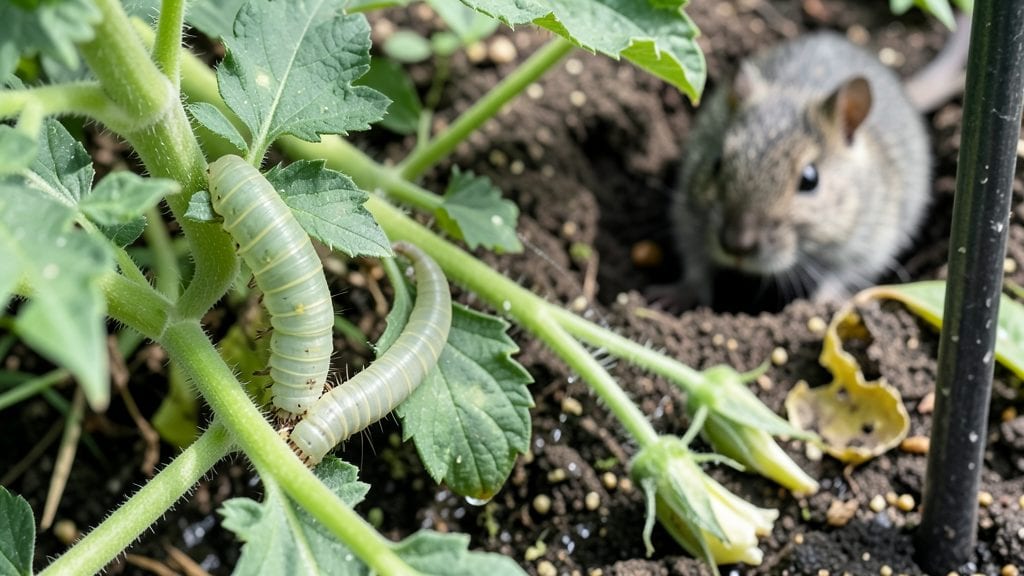
When worms start eating your tomato plants, it’s not just a few chewed leaves—it’s the difference between a bountiful harvest and a sad, half-eaten vine. 🌱 I’ve lost entire plants to hungry wireworms and cutworms, but these organic barrier tricks saved my garden (and my sanity) last summer.
The real culprits are often wireworms or cutworms lurking in the soil, drawn to young seedlings like a buffet. Most gardeners reach for pesticides first, but the best defense is actually preventing access—collars around stems, diatomaceous earth barriers, or even a simple beer trap.
These methods work because they stop worms without harming your plants or the soil.
By morning, you’ll see fewer slime trails and more healthy green foliage climbing toward the sun. The plants grow stronger, set more fruit, and you skip the chemical cleanup. Plus, your soil stays full of beneficial microbes instead of poisoned by overused sprays.
Works for wireworms, cutworms, or even grubs—no matter what’s digging in. Here’s how to set up your first line of defense before next season’s planting.
Root Causes of Garden Munching
When you spot your tomato plants looking ragged or hear the telltale signs of tiny chewers at work, it’s often not just one type of worm but a mix of soil-dwelling pests.
Understanding why these critters target your tomatoes is the first step to stopping them. Below, we break down the science behind their behavior—and how your garden might be unwittingly inviting them in.
Tomatoes thrive in well-drained, nutrient-rich soil, but too much of a good thing can attract worms like cutworms, wireworms, or even grubs. Here’s why:
- Excess nitrogen: Fertilizers high in nitrogen (like fresh manure or blood meal) make soil soft and inviting for larvae. Worms sense the easy meal and dig in.
- Poor drainage: Waterlogged soil suffocates beneficial microbes but creates the perfect damp hideout for pests. Wireworms, for example, thrive in soggy conditions.
- Organic matter overload: Too many leaves, grass clippings, or compost piles near plants can attract cutworms, which burrow into stems to feed.
Pro tip: 💡 Test your soil’s nitrogen levels—aim for a balanced NPK (e.g., 10-10-10) and avoid over-fertilizing before planting.
Seedlings and young tomato plants are like all-you-can-eat buffets for worms. Their thin stems and delicate leaves make them vulnerable to:
- Cutworms: These nocturnal pests (larvae of moths) slice through stems at soil level, toppling plants overnight. They’re drawn to tender new growth.
- Grubs (white grubs): Larvae of beetles like Japanese beetles or June bugs, they gnaw on roots and lower stems, weakening plants before they even sprout.
- Corn earworms (tomato fruitworms): While they target fruits later, they start by munching on young leaves and stems.
Pro tip: 🌡️ Delay planting until soil temps are consistently 55–65°F—cooler soil slows worm activity, giving plants a head start.
Once worms find your tomatoes, they don’t just stop at leaves and stems. Overripe, cracked, or rotting fruit becomes a breeding ground for:
- Tomato hornworms: These voracious caterpillars (up to 4 inches long!) devour entire fruits and leaves, then lay eggs near damaged areas.
- Fruit flies: Their larvae burrow into soft, fermenting fruit, attracting other pests in the process.
- Slugs and snails: While not worms, they’re often found slithering over worm-damaged plants, exacerbating the problem.
Pro tip: ✨ Harvest tomatoes before they fully ripen (use green tomato sauce or let them ripen indoors) to avoid attracting fruit-eating pests.
Healthy gardens have a natural balance: birds, toads, and beneficial nematodes keep worm populations in check. But if your soil lacks:
- Diverse plantings: Monoculture (e.g., rows of only tomatoes) removes the food sources for predator insects like ladybugs or lacewings.
- Beneficial microbes: Fungi like Beauveria bassiana can infect and kill grubs, but chemical fertilizers or pesticides wipe them out.
- Shelter for predators: Dense mulch or ground covers (like clover) provide hiding spots for toads and centipedes, which hunt worms.
Pro tip: 🎯 Plant companion crops like basil, marigolds, or nasturtiums—their strong scents repel pests and attract beneficial insects.
Now that you know why worms are crashing your tomato party, the next step is organic barriers and traps to kick them out for good. Stay tuned!
Quick Fixes for Worm Damage
Worms munching on your tomato plants can feel like a nightmare, but don’t panic—there are effective, organic ways to reclaim your garden! Below, we’ve mapped out practical solutions based on the most common culprits (cutworms, hornworms, root-knot nematodes, and slugs) and how to stop them in their tracks.
Plus, we’ll share prevention tips to keep your plants thriving long-term.
Signs: Ragged stems, plants suddenly wilting at ground level, or chewed leaves at night.
How to Stop Them:
- 🔦 Nighttime Patrol (or Flashlight Hunt) - Cutworms are most active after dark.
Shine a flashlight around your plants at dusk or dawn—you’ll spot them crawling or coiled around stems. - Action: Pick them off by hand and drop them in soapy water (💡 Pro tip: Wear gloves to avoid their bristly hairs!).
- 🍳 Collar Barrier Method - Materials: Cardboard tubes, plastic cups, or even toilet paper rolls. - How-to: Cut a 2-inch-wide band from the bottom of each tube. Slice vertically and insert around tomato stems (like a sleeve).
Bury the bottom 1 inch into soil. - Why it works: Cutworms can’t crawl over the rough edges to reach the plant.
- 👨🍳 Beer Trap (Yes, Really!)
- Bury a shallow dish filled with beer near your plants. The yeast attracts cutworms, and they drown.
- Refresh every 2–3 days for best results.
Prevention:
- 🌡️ Mulch with diatomaceous earth (food-grade only!) around the base—it’s a natural abrasive that dehydrates worms.
- ✨ Plant basil or borage nearby; their strong scents repel cutworms.
Signs: Large, green caterpillars with white stripes (or black "horns"), half-eaten leaves, and droppings everywhere.
How to Treat Them:
- 🔪 Manual Removal (Best for Small Gardens)
- When: Early morning when they’re sluggish.
- How-to: Wear gloves, grab the hornworm by the head (not the body—it’ll squirt acid!), and drop it in soapy water.
- Bonus: Check the undersides of leaves—they love to hide there!
- 🍎 Bacillus thuringiensis (Bt) Spray
- What it is: A natural bacteria that kills caterpillars (including hornworms) but is safe for humans and pets.
- How-to: Spray leaves every 5–7 days until the threat passes. Reapply after rain.
- 🐝 Encourage Natural Predators
- Ladybugs, lacewings, and parasitic wasps eat hornworm eggs and larvae. Plant dill, fennel, or marigolds to attract them.
Prevention:
- 🎯 Handpick eggs (tiny, yellow, laid on leaves) in spring to stop the cycle.
- 💡 Avoid over-fertilizing with nitrogen—hornworms love lush, fast-growing plants.
Signs: Stunted growth, yellowing leaves, gnarled roots, and plants that wilt even when soil is moist.
How to Fix It:
- 🔄 Soil Solarization (For Serious Infestations)
- How-to: Water the soil deeply, then cover it with clear plastic sheeting for 4–6 weeks in hot sun. The heat kills nematodes.
- Best time: Late spring or early summer.
- 🌱 Plant Resistant Varieties
- Tomato types: ‘Supersonic,’ ‘Mountain Merit,’ or ‘Defiant PhR’ are nematode-resistant.
- Companion plants: Marigolds, garlic, or onions suppress nematodes when planted nearby.
- 💧 Beneficial Nematodes (Microscopic Allies)
- What they are: Steinernema feltiae or Heterorhabditis bacteriophora—they hunt and kill root-knot nematodes.
- How-to: Apply to soil at dusk (they’re light-sensitive) every 4–6 weeks during growing season.
Prevention:
- 🔥 Crop rotation: Don’t plant tomatoes, peppers, or eggplants (all nightshades) in the same spot for 3–4 years.
- 🥗 Add compost or aged manure to improve soil health—healthy roots resist nematodes better.
Signs: Irregular holes in leaves, silvery slime trails, and tiny eggs in damp soil.
How to Trap Them:
- 🍺 Beer Traps (Again!)
- How-to: Bury a shallow container (like a yogurt cup) filled with beer. Slugs crawl in and drown.
- Pro tip: Place traps under tomato plants and near garden edges.
- 🧶 Copper Barrier
- How-to: Bend a copper tape (available at garden stores) around pots or raised beds. The electrical charge repels slugs.
- Works best: On containers or small gardens.
- 🌿 Diatomaceous Earth Ring
- How-to: Create a 2-inch-wide ring around plants with food-grade DE. Reapply after rain.
- Caution: Avoid inhaling the powder—wear a mask when applying.
Prevention:
- 🌡️ Water in the morning so soil dries faster (slugs hate dry conditions).
- 🎯 Remove hiding spots: Clear debris, boards, and thick mulch near plants.
- 📊 Test your soil annually—balanced pH (6.0–7.0) and nutrients reduce pest stress.
- 💪 Interplant flowers like nasturtiums or alyssum to distract pests from tomatoes.
- ✨ Rotate crops yearly to break pest life cycles.
Remember: The key is consistency. Combine one immediate fix (like beer traps or collars) with preventive measures (resistant plants, healthy soil) for the best results. Your tomato plants—and your harvest—will thank you! 🍅🌱
Frequently asked questions
What types of worms are most likely eating my tomato plants?
The most common culprits are cutworms (nocturnal stem slicers), wireworms (soil-dwelling grubs), and tomato hornworms (large green caterpillars). Cutworms attack young seedlings at soil level, while wireworms chew roots, and hornworms defoliate mature plants. Each requires different control methods—identifying the pest is key to stopping the damage.
Will beer traps actually work for cutworms?
Yes! Bury a shallow container filled with beer near your plants—the yeast attracts cutworms, and they drown. Refresh every 2-3 days for best results. This method is especially effective for nocturnal pests like cutworms and slugs, though it won't solve root or soil-dwelling worm problems.
Can I use diatomaceous earth on tomato plants?
but use food-grade diatomaceous earth (DE) only! Sprinkle a thin layer around plant bases and stems—it dehydrates worms by damaging their exoskeletons. Reapply after rain or watering. Just avoid inhaling the powder (wear a mask) and keep it away from beneficial insects like bees.
How do I prevent worms from attacking my tomato seedlings?
Start with physical barriers: Use cardboard collars around stems or plastic cups cut in half. For organic prevention, plant basil or marigolds nearby—their scents repel pests. Also, avoid over-fertilizing with nitrogen, which attracts worms. Healthy seedlings with strong stems are less vulnerable to attacks.
Are there any worm-resistant tomato varieties?
Yes! Look for varieties like 'Supersonic' or 'Mountain Merit', which are bred to resist root-knot nematodes. For general worm damage, 'Defiant PhR' offers better resistance to pests. Pair resistant varieties with crop rotation and healthy soil practices for the best protection.